Market News
Hindalco, Vedanta Aluminium, SAIL: Metal stocks slide as Nifty Metal sheds 2%; key reasons and Nomura’s latest view

3 min read | Updated on October 22, 2026, 10:03 IST


SUMMARY
Brent crude has climbed above $110 a barrel amid escalating tensions in the Middle East. Higher oil prices can increase transportation, freight and energy costs for metal producers, putting pressure on profit margins.
Stock list
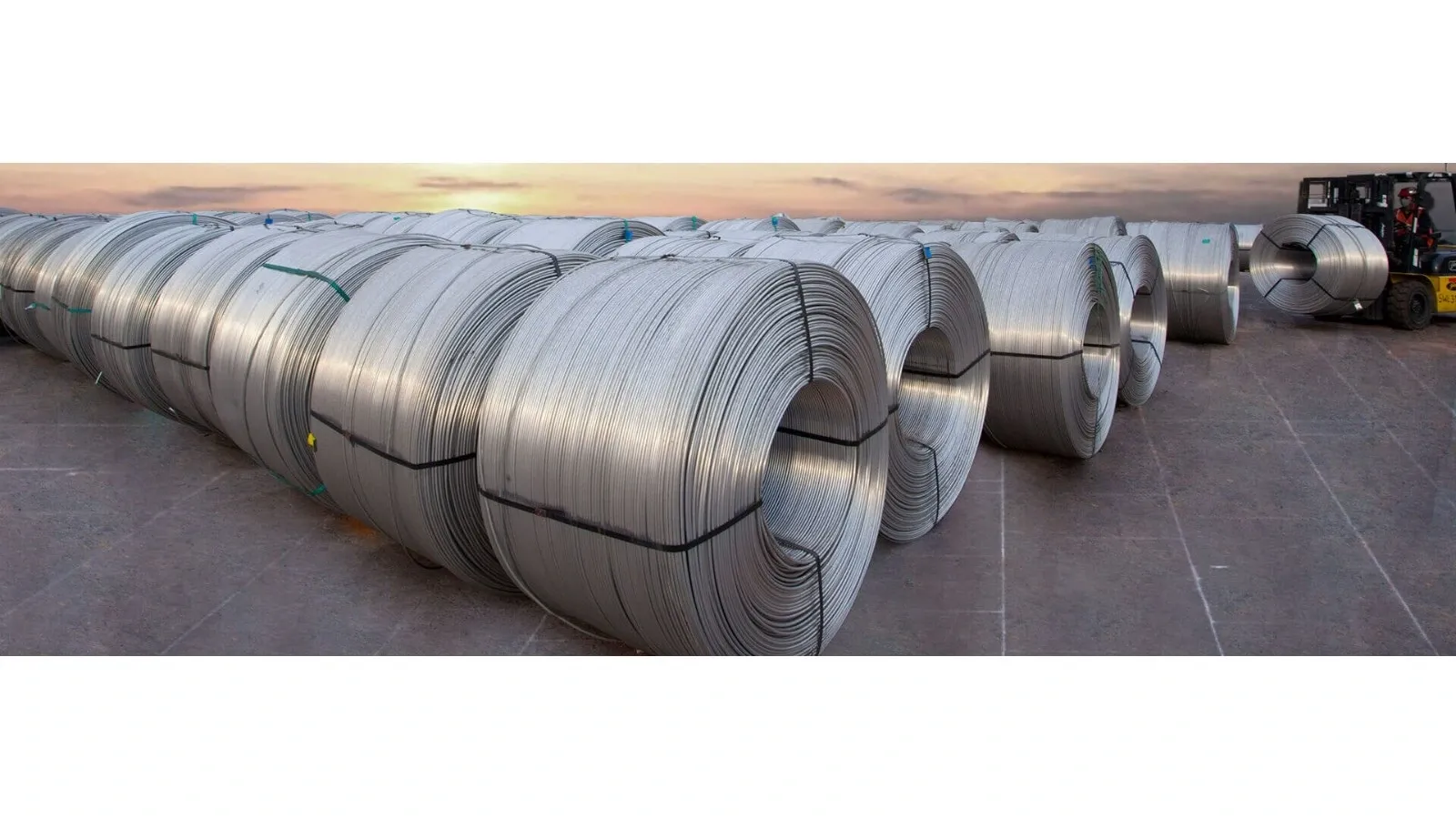
Metal stocks are facing selling pressure amid elevated crude oil prices, concerns over global growth, and cautious investor sentiment. Image: https://vedantaaluminium.com/
Metal stocks traded in negative territory on Thursday, October 22, amid weak global cues. The NIFTY METAL index dropped up to 2.26% to the low of 11,591.25 against the previous closing level of 11,859.55. All the 15 constituents were trading in the red.
Data show that the metal index is down nearly 10% over the past six months. Over the past five sessions, the index has shed more than 4%.
Why are metal stocks struggling?
Metal stocks are facing selling pressure amid elevated crude oil prices, concerns over global growth, and cautious investor sentiment.
Rising crude oil prices
Brent crude has climbed above $110 a barrel amid escalating tensions in the Middle East. Higher oil prices can increase transportation, freight and energy costs for metal producers, putting pressure on profit margins.
Concerns over global demand
Metals such as aluminium, copper and steel are closely linked to industrial activity. Fears of slower global economic growth can weigh on expectations for demand from construction, manufacturing and infrastructure sectors.
A stronger US dollar and higher bond yields: A stronger dollar can make dollar-priced metals more expensive for buyers using other currencies. Higher US bond yields can also weigh on sentiment towards commodities and cyclical stocks.
Weakness in global metal prices
Any decline or lack of strength in international base metal prices can weigh on the earnings outlook of Indian producers. Companies that depend heavily on market prices for aluminium, zinc and other metals are particularly sensitive to these movements.
Profit-booking and broader market weakness
Metal stocks tend to be sensitive to changes in risk appetite because their earnings are closely linked to economic cycles and commodity prices. With Indian equities under pressure for a third consecutive session, investors are also trimming exposure to cyclical sectors.
What analysts at Nomura said
Nomura has initiated coverage on Vedanta Aluminium with a positive stance, believing that its cost structure is undergoing a favourable reset.
The global financial services firm has also initiated coverage on Hindalco with a bullish stance, as it believes the company is capitalising on expansion projects that the market has not yet fully recognised.
For NALCO, Nomura has initiated coverage with a cautious stance, citing limited growth initiatives and an unfavourable earnings composition.
The differentiated approach reflects Nomura’s conviction that value creation in the aluminium sector will increasingly depend on resource control and operational efficiency rather than just exposure to commodity prices.
What you need to know about aluminium prices
Aluminium prices have given up their entire Middle East supply-risk premium, retreating to pre-conflict levels as stronger output from China and Indonesia, rising exports of semi-finished aluminium products from China and the restart of European smelters eased supply concerns.
Prices briefly closed below $3,000 a tonne on October 14 and 15 before recovering above that level, said an article by oilprice.com.
However, supply risks remain due to disruptions in the Strait of Hormuz and logistical challenges, while Standard Chartered has lowered its average aluminium price forecasts for 2026 and 2027, citing improving supply prospects, the article added.
Related News


About The Author
Next Story