Market News
Hindalco, NALCO, Vedanta: Aluminium stocks rally over 5% as West Asia conflict damages key production facilities in UAE, Bahrain

3 min read | Updated on March 30, 2026, 09:29 IST


SUMMARY
Hindalco share price: According to global media reports, two Middle Eastern aluminium producers, Al Taweelah smelter of Emirates Global Aluminium and Aluminium Bahrain’s (Alba) facility, faced Iranian missiles and drone attacks on March 28, 2026, and underwent substantial damage.
Stock list
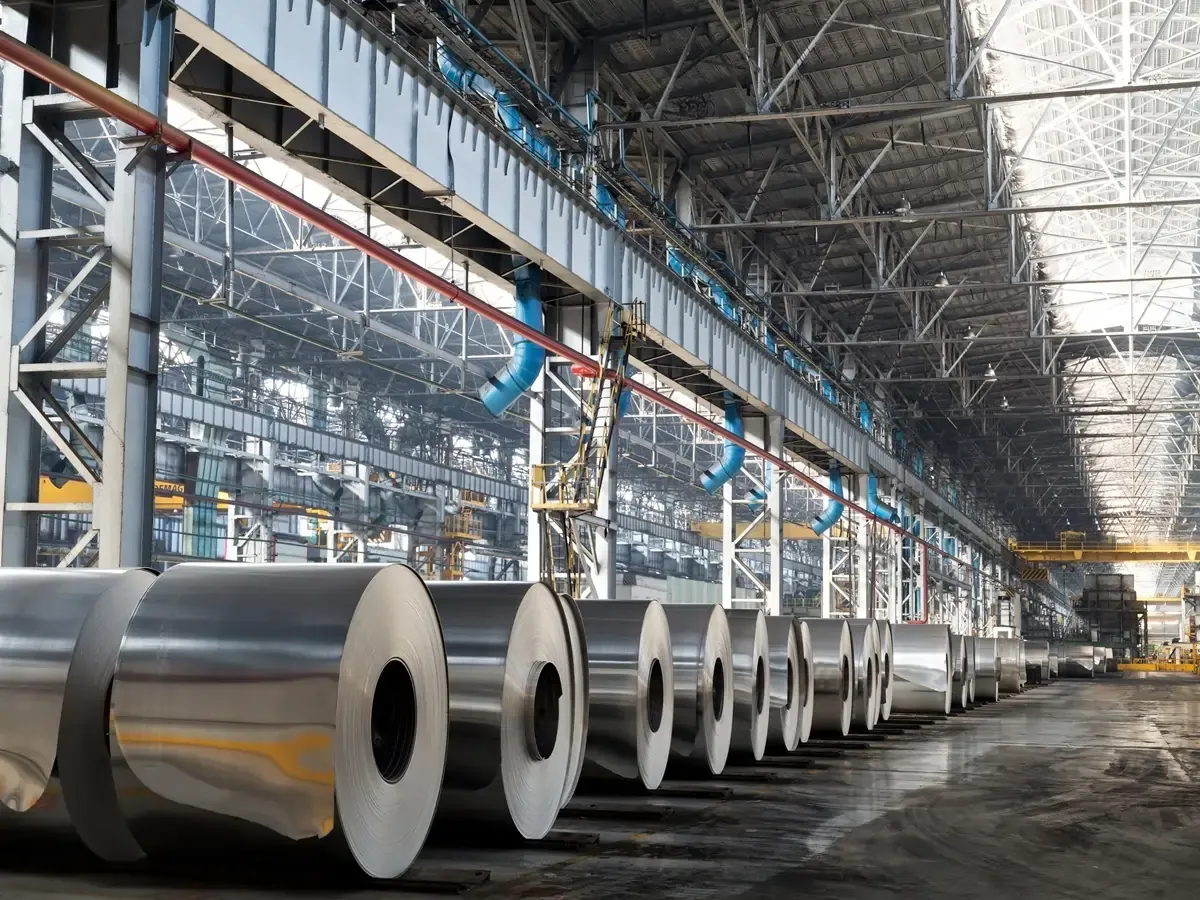
Aluminium is a widely used metal across transportation, construction, and packaging and also plays a critical role in sectors such as solar panels, electrical transmission systems, wind turbines, batteries, and electric vehicles. | Image: Shutterstock
The stocks were in the green, as , according to global media reports, two Middle Eastern aluminium producers, Al Taweelah smelter of Emirates Global Aluminium and Aluminium Bahrain’s (Alba) facility, faced Iranian missiles and drone attacks on March 28, 2026, and underwent substantial damage.
Currently, both Emirates Global Aluminium and Aluminium Bahrain are assessing the extent of the damage to their facilities.
How shares are performing
When last seen, Hindalco Industries shares were trading 3.02% higher at ₹892.90 apiece on the NSE, while Vedanta was up 3.37% at ₹671.30. National Aluminium Co (NALCO) was the biggest gainer, up over 5.53% at ₹391.50.
The attacks are another blow to the region’s commodity industry, with producers mostly prevented from exporting due to the effective closure of the Strait of Hormuz, said a report by The Straits Times.
In addition to the disruption to shipping, Iranian attacks have damaged key facilities, likely extending the time it will take for operations to return to normal when the war is over, the report added.
Aluminium usage
Aluminium is a widely used metal across transportation, construction, and packaging and also plays a critical role in sectors such as solar panels, electrical transmission systems, wind turbines, batteries, and electric vehicles.
Prices of the metal, which were already on an upward trajectory before the conflict, have risen further as traders and buyers increasingly factor in the risk of tighter global supply and declining inventories.
This concern is amplified by the Middle East’s significant contribution, accounting for nearly 9% of global aluminium supply, much of which is now effectively constrained due to disruptions around the Strait of Hormuz, a key transit route for the region’s exports.
What is the impact on Indian companies?
Analysts note that damage to two key aluminium production facilities in West Asia would likely tighten global supply, as the region is a major low-cost producer due to abundant energy resources.
This disruption would push up international aluminium prices (linked to benchmarks like the London Metal Exchange), which in turn benefits Indian manufacturers such as Hindalco Industries, Vedanta Limited, and National Aluminium Company.
Since these companies largely sell at global prices, higher realisations would boost their revenues and margins without any immediate hit to domestic production.
Additionally, the supply gap could open up export opportunities for Indian players, allowing them to gain market share.
While there may be some offsetting pressures from rising energy and logistics costs if the disruption is linked to geopolitical tensions, the net impact typically remains positive.
Aluminium stocks to rally?
Aluminium stocks in India, analysts note, tend to react bullishly in such scenarios, often seeing a sharp near-term rally driven by expectations of improved earnings, with further upside possible if elevated prices sustain over a longer period.
Related News


About The Author
Next Story