
Market News
From shipyards to stock markets: India’s $8 billion maritime push puts these companies in focus

5 min read | Updated on November 17, 2026, 12:48 IST

SUMMARY
Shipping Minister Sarbananda Sonowal on Monday, November 16, said the government is developing five greenfield shipbuilding clusters across Andhra Pradesh, Gujarat, Maharashtra, Odisha and Tamil Nadu.
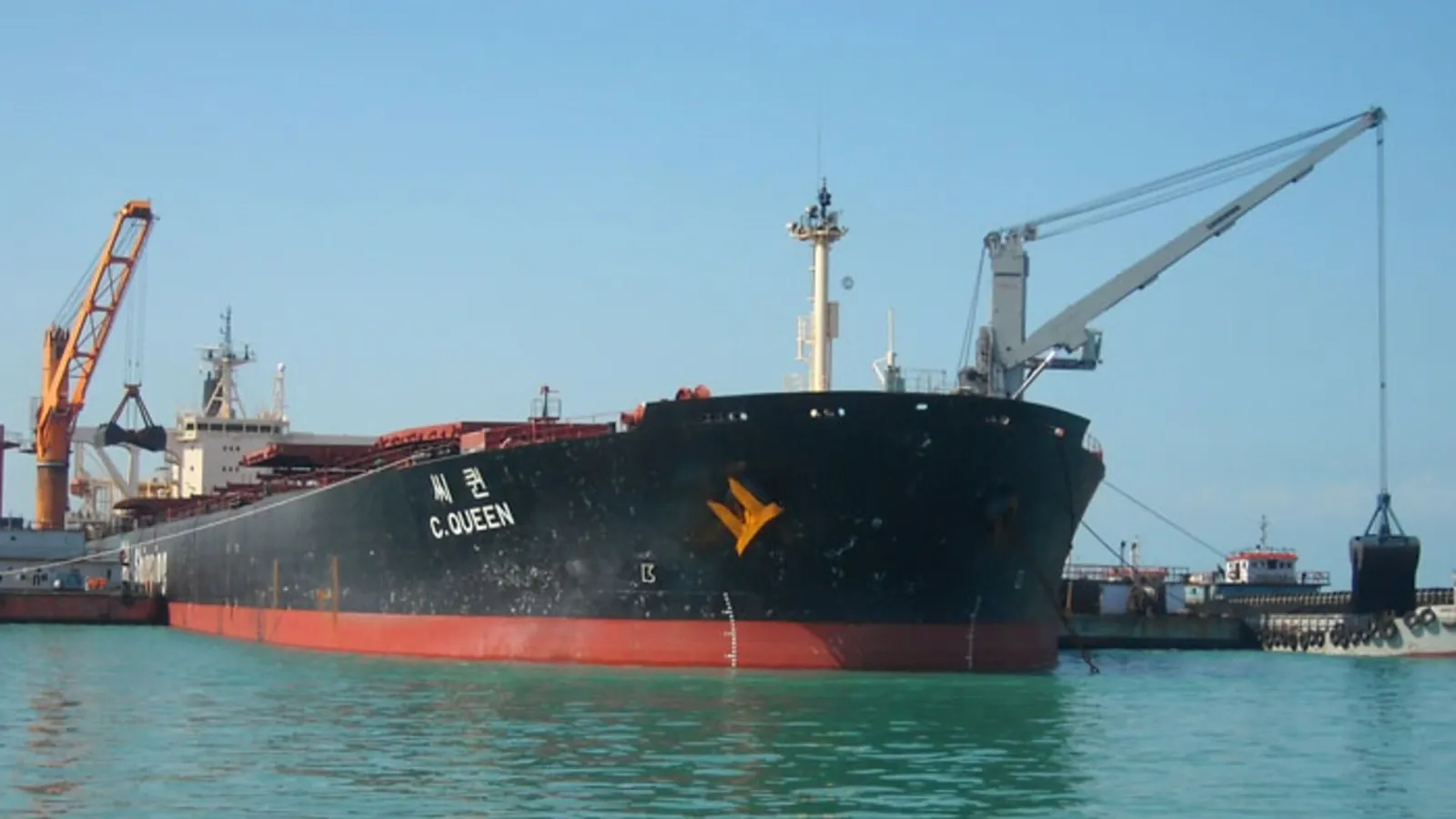
The initiative is aimed at strengthening India’s shipbuilding ecosystem and creating new opportunities in manufacturing, technology, employment and exports. Representative image
India’s ambitious plan to emerge as a global shipbuilding hub has brought domestic shipyard companies into focus, with the government stepping up efforts to attract international investments, expand manufacturing capacity and increase vessel exports.
Shipping Minister Sarbananda Sonowal on Monday, November 16, said the government is developing five greenfield shipbuilding clusters across Andhra Pradesh, Gujarat, Maharashtra, Odisha and Tamil Nadu.
The initiative is aimed at strengthening India’s shipbuilding ecosystem and creating new opportunities in manufacturing, technology, employment and exports.
The government has approved a landmark $8 billion maritime package to accelerate the development of the sector. Meanwhile, the active shipbuilding order pipeline has crossed 150 vessels, valued at more than $1.7 billion, with export orders accounting for over 80% of its value.
The participation of around 30 international shipyards and global shipping companies at the India Shipbuilding Investment Conclave 2026, including South Korea’s HD KSOE, Samsung Heavy Industries and Hanwha Ocean, along with Fincantieri, Damen, Maersk, MSC and CMA CGM, highlights the growing interest in India’s shipbuilding ambitions.
The government aims to make India one of the world’s top 10 shipbuilding nations by 2030 and among the top five by 2047.
Cochin Shipyard (CSL)
Cochin Shipyard is among the most direct listed beneficiaries of India’s shipbuilding ambitions, given its presence in both commercial and defence shipbuilding, besides ship repair.
The company has capabilities in building tankers, bulk carriers, passenger vessels and other specialised ships. It has also been expanding its commercial shipbuilding presence through international partnerships.
Importantly, Cochin Shipyard and Dutch shipbuilder Damen signed an MoU at the November 16 conclave to collaborate on future shipbuilding projects. This provides a particularly relevant link between the latest government initiative and the listed company.
Swan Defence and Heavy Industries (SDHI)
Swan Defence and Heavy Industries is another important company to track as India looks to expand its commercial shipbuilding and ship-repair capabilities.
The company operates the Pipavav shipyard in Gujarat, which has substantial shipbuilding and ship-repair infrastructure. According to the Ministry of Ports, Shipping and Waterways’ 2024-25 industry statistics, Swan Defence had the country’s highest reported ship-repair capacity at 150,000 DWT.
The company is also among the shipyards that have received in-principle approval for brownfield expansion under the government’s shipbuilding development initiative. This makes it relevant to the broader capacity-expansion theme.
Mazagon Dock Shipbuilders (MDL)
Mazagon Dock Shipbuilders is one of India’s leading defence shipyards, specialising in the construction of warships and submarines for the Indian Navy.
While its core business is defence-oriented, the government’s broader ambition to strengthen domestic shipbuilding capacity could provide a favourable long-term backdrop for the company.
Mazagon Dock’s expertise in complex vessel construction, engineering and shipbuilding could also be relevant as India looks to develop its capabilities and compete in international markets. However, the impact of the commercial shipbuilding push on its business will depend on its ability to secure relevant orders.
Garden Reach Shipbuilders & Engineers (GRSE)
Garden Reach Shipbuilders & Engineers is another listed shipyard with exposure to India’s expanding maritime manufacturing ecosystem.
Apart from warships, frigates and patrol vessels, the company builds commercial vessels such as ferries and dredgers. It also manufactures marine equipment, deck machinery and other engineering products.
Its diversified shipbuilding and engineering capabilities could position it to participate in opportunities arising from the government’s push to expand domestic shipbuilding capacity.
Titagarh Rail Systems (Titagarh)
Titagarh is worth tracking through its naval systems business, which has exposure to the shipbuilding ecosystem.
The government’s Shipbuilding Development Scheme has identified Titagarh Naval Systems’ Falta facility in West Bengal for brownfield expansion, with in-principle approval granted.
The development could support capacity expansion and strengthen the company’s presence in the naval and shipbuilding segment. However, investors should distinguish this business from Titagarh’s much larger railway rolling stock operations.
Other maritime stocks to keep on the radar
These companies are not pure-play shipbuilders, but could benefit from a broader expansion of India's maritime ecosystem.
| Company | Why it could be relevant |
|---|---|
| Shipping Corporation of India (SCI) | A major domestic shipping company. Expansion of India's merchant fleet could create opportunities for vessel acquisition and shipping operations. |
| Great Eastern Shipping Company (GE Shipping) | One of India's largest private-sector shipping companies, with exposure to tanker and dry-bulk shipping. |
| Knowledge Marine & Engineering Works (KMEW) | Operates in marine infrastructure, dredging and port-related services, which could benefit from broader maritime infrastructure development. |
What investors should watch next?
- Actual investment commitments: Whether participation by global shipbuilders translates into concrete investments, joint ventures and technology partnerships.
- Fresh order wins: Whether Indian shipyards secure new domestic and international vessel-building contracts.
- Capacity expansion: How quickly the five greenfield clusters and existing shipyard expansion projects become operational.
The government’s Shipbuilding Development Scheme also provides support for both greenfield clusters and brownfield expansion of existing shipyards.
Related News


About The Author
Next Story

