Market News
Dabur, Marico, AWL Agri: FMCG stocks in focus post Q4 updates; check outlook and key risks flagged

5 min read | Updated on April 06, 2026, 08:56 IST


SUMMARY
FMCG stocks: FMCG leaders such as Marico, Dabur, and AWL Agri Business (formerly Adani Wilmar) have reported growth in both volumes and value, driven by pricing actions, category momentum, and resilient domestic consumption and growth from international markets except the conflict area.
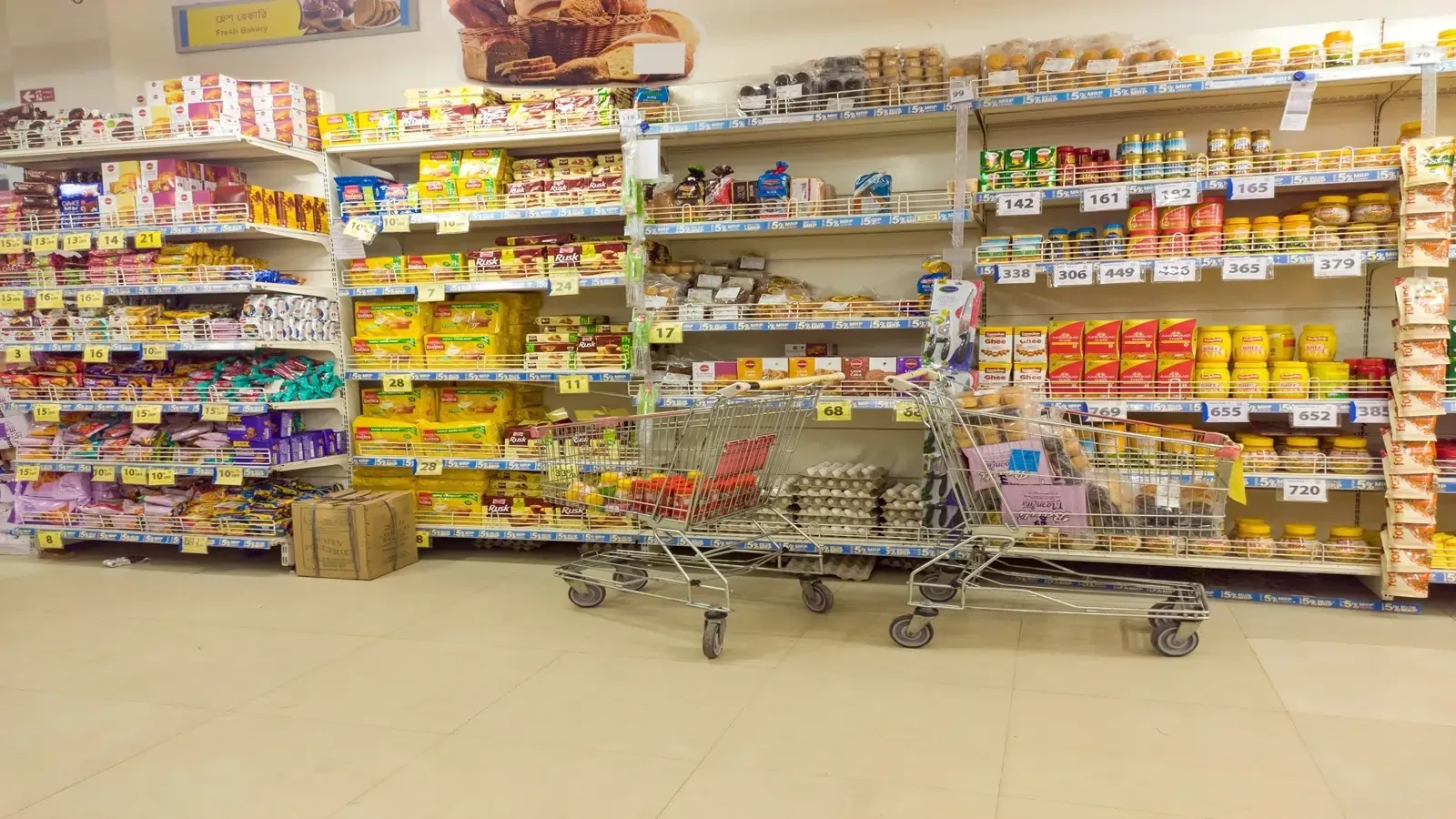
The FMCG sector remains watchful of external risks, particularly the evolving geopolitical situation in regions such as West Asia. | Image: Shutterstock
Leading FMCG companies posted healthy revenue expansion in the March quarter of FY26, with stable demand, despite ongoing geopolitical tensions in the Middle East.
FMCG leaders such as Marico, Dabur, and AWL Agri Business (formerly Adani Wilmar) have reported growth in both volumes and value, driven by pricing actions, category momentum, and resilient domestic consumption and growth from international markets except the conflict area.
The companies expect margins to improve as inflation eases; however, they remain cautiously optimistic about the coming quarters.
They expect the trend of domestic demand recovery to continue, aided by stable macroeconomic conditions and improving consumption trends.
Marico
Homegrown FMCG major Marico, in its quarterly update, said its consolidated revenue grew in the “low twenties” year-on-year during the quarter, aided by pricing interventions, strong performance in hair oils, and robust traction in its international business.
The company’s India business posted high-single-digit volume growth, while its overseas operations expanded in the high-teens in constant currency terms, though the Gulf region was affected by geopolitical headwinds.
The maker of Parachute and Saffola said easing input costs, particularly a correction in copra prices (down 35% from peak), are expected to support margins going forward. The company remains optimistic about a gradual improvement in consumption trends and expects healthy, volume-led revenue growth in FY27.
Marico expects double-digit operating profit growth in the quarter.
Marico said it witnessed a "stable demand sentiment" during the quarter; however, the macroeconomic impact of the evolving geopolitical situation in the Middle East is a key "monitorable".
Dabur
Dabur also reported a more moderate performance, projecting consolidated revenue growth in the mid-single digits for the March quarter. The company said it had a sequential recovery in domestic demand, with its India FMCG business likely to record high single-digit growth.
It had a "steady momentum" in the domestic Indian business, underpinned by a stable macroeconomic environment.
According to Dabur, its strong domestic performance has helped offset challenges in some of its key international markets, particularly West Asia, where heightened geopolitical tensions led to demand disruptions and supply chain constraints.
In terms of channels, organised trade, including modern trade, e-commerce, and quick commerce, maintained its growth momentum, alongside a steady recovery in the general trade.
AWL Agri Business
AWL Agri Business, which owns edible oil and staples brands Fortune and Kohinoor rice, said alternate retail channels, such as e-commerce, quick commerce, and modern trade, delivered a strong double-digit growth of 43% YoY in Q4’26.
"Quick Commerce grew by 46% YoY, now contributing 32% of volumes to this channel, aided by tech-enabled execution and focused marketing spends," it said.
AWL Agri Business reported strong volume growth, with its food and FMCG portfolio (excluding staples like rice and wheat) expanding by 30% year-on-year. Its edible oil segment recorded a robust 17% volume growth, supported by broad-based demand across key categories including soybean, mustard, rice bran, and palm oil.
Outlook
Over the outlook, both Marico and Dabur indicated that easing input costs, particularly in key commodities, along with calibrated pricing actions, are likely to support margin expansion and enable steady and sequential improvement in volume-led revenue growth.
Key risks
The sector remains watchful of external risks, particularly the evolving geopolitical situation in regions such as West Asia, which could impact demand, supply chains, and input costs. They will take proactive measures to mitigate any potential impact on their operations and cost structure.
FMCG growth: Volume-driven in FY27
Leading fast-moving consumer goods (FMCG) companies expect volume-driven growth to take centre stage in the fiscal year FY27, supported by easing inflation and stable commodity prices that have begun to ease pressure on margins.
In the December quarter, leading FMCG companies reported mid- to high single-digit volume growth. On their latest earnings calls, the industry captains said the operating environment is turning more favourable after several quarters of volatility, said a PTI report published in February 2026.
Key inputs such as edible oils, wheat, copra, and surfactants softened, and with macroeconomic tailwinds including GST rationalisation, higher MSPs, and a healthy crop season, FMCG makers anticipate sustained demand recovery.
Most players have already taken calibrated price hikes earlier in the fiscal year and now expect growth to be led by volumes rather than pricing.
Some companies indicated they may pass on some benefits of lower input costs to consumers through offers, increased grammage, or selective discounts, even as they maintain caution on any residual rollover impact of past price increases.
With inflation cooling and consumer sentiment improving, companies such as Dabur, Marico, Britannia, HUL, and GCPL expect EBITDA margins to strengthen in the coming quarters. Industry leaders say FY '27 is likely to be better than the current fiscal, driven by stable commodities, easing cost pressures, and a broad-based recovery in consumption.
NIFTY FMCG performance
FMCG stocks have remained listless on the bourses. Data show that the NIFTY FMCG index has declined by over 16% over the past six months, nearly 7.5% in the past 30 days, and nearly 14% so far in 2026. (as of Thursday, April 2, closing level).
Related News


About The Author
Next Story