Market News
Budget 2027: Hindalco, Vedanta Aluminium, Maan Aluminium shares in focus as industry seeks zero import duty

4 min read | Updated on November 23, 2026, 07:58 IST

SUMMARY
The Aluminium Extrusion Manufacturers Association of India (ALEMAI) has written to Finance Minister Nirmala Sitharaman, seeking a reduction in the basic customs duty on primary aluminium from the existing 7.5% to zero.
Stock list
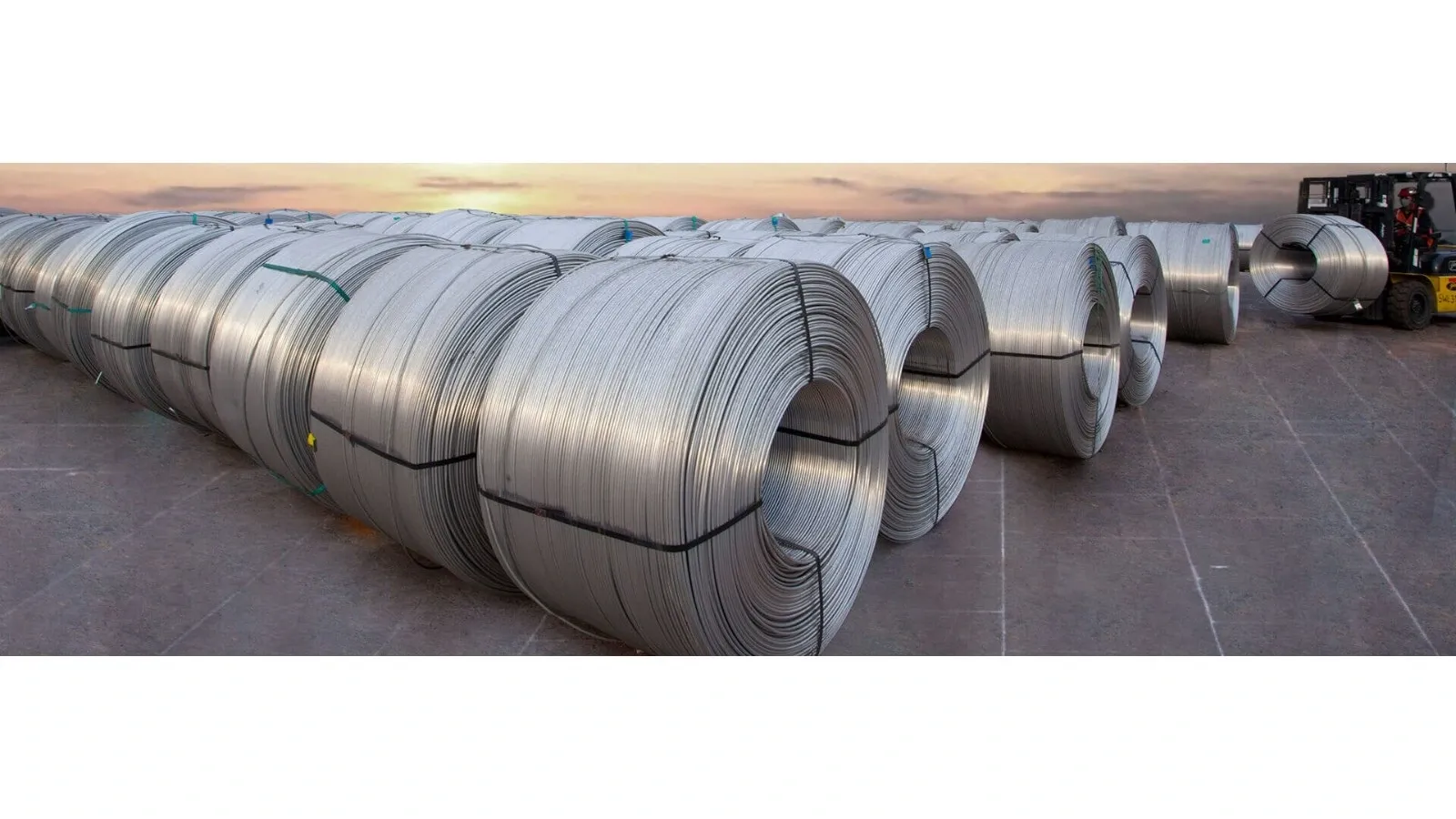
According to ALEMAI, removing the import duty could improve the competitiveness of domestic manufacturers. Image: https://vedantaaluminium.com/
Shares of aluminium companies, including Hindalco Industries, Vedanta, National Aluminium Company (NALCO) and Maan Aluminium, are likely to remain in focus on Monday, November 23, after domestic aluminium product manufacturers urged the government to scrap the basic customs duty on imports of primary aluminium ahead of the Union Budget for 2027-28.
The industry body has argued that the current levy, which translates into an effective import duty of 8.25% after including the social welfare surcharge, is increasing raw material costs for downstream manufacturers, particularly micro, small and medium enterprises (MSMEs).
According to ALEMAI, removing the import duty could improve the competitiveness of domestic manufacturers, encourage greater value addition, support exports and boost aluminium consumption across the economy.
Why are aluminium manufacturers seeking zero import duty?
Primary aluminium is a key raw material for downstream manufacturers producing extruded products, rolled products, foils and other aluminium-based components.
ALEMAI said that although India has a globally competitive primary aluminium industry, its downstream manufacturing segment, which comprises a large number of MSMEs, continues to face a structural cost disadvantage because of the prevailing import duty.
Domestic primary aluminium prices are influenced by international prices and import-parity pricing. Consequently, the customs duty on imported primary aluminium also becomes an important component of the domestic price benchmark.
The association cited the Ministry of Mines’ Vision Document on the Aluminium Sector 2025, which estimated that India’s downstream industry paid approximately $470 million more than necessary to domestic primary aluminium producers in 2022 because of import-parity pricing.
The additional cost, according to the document, came at the expense of the downstream sector’s growth and investment.
The industry body also highlighted the competitive disadvantage faced by Indian manufacturers against finished and semi-finished aluminium products imported under preferential or zero-duty rates through India’s free trade agreements (FTAs).
This creates an inverted duty structure, where domestic manufacturers pay higher costs for raw materials while competing with imported finished products entering India at lower or zero tariff rates.
ALEMAI believes that reducing the customs duty on primary aluminium would help address this imbalance, lower input costs and improve the ability of Indian manufacturers to compete in domestic and international markets.
Aluminium stocks to watch
What does the proposal mean for aluminium stocks?
The proposed duty rationalisation could have different implications for companies across the aluminium value chain.
Downstream manufacturers such as Maan Aluminium, Manaksia Aluminium and Century Extrusions could potentially benefit from lower raw material costs, which may support margins and improve their competitiveness.
On the other hand, primary aluminium producers such as Hindalco, Vedanta and NALCO could face greater competition from imported metal if the government removes the existing customs duty.
However, the actual impact on individual companies will depend on the government’s decision, global aluminium prices, domestic demand and the extent to which any reduction in import duties is reflected in domestic raw material prices.
The industry’s demand will be closely watched ahead of the Union Budget 2027-28.
Related News


About The Author
Next Story