
Market News
RBI may need to reassess GDP growth estimates for FY2027 amid trade disruption, say experts

5 min read | Updated on April 08, 2026, 14:50 IST


SUMMARY
Experts predict that RBI will likely have to reassess its 6.9% real GDP growth projection for the fiscal year 2026-27, as the energy export volumes might take up to two quarters to recover from the West Asia conflict impact.
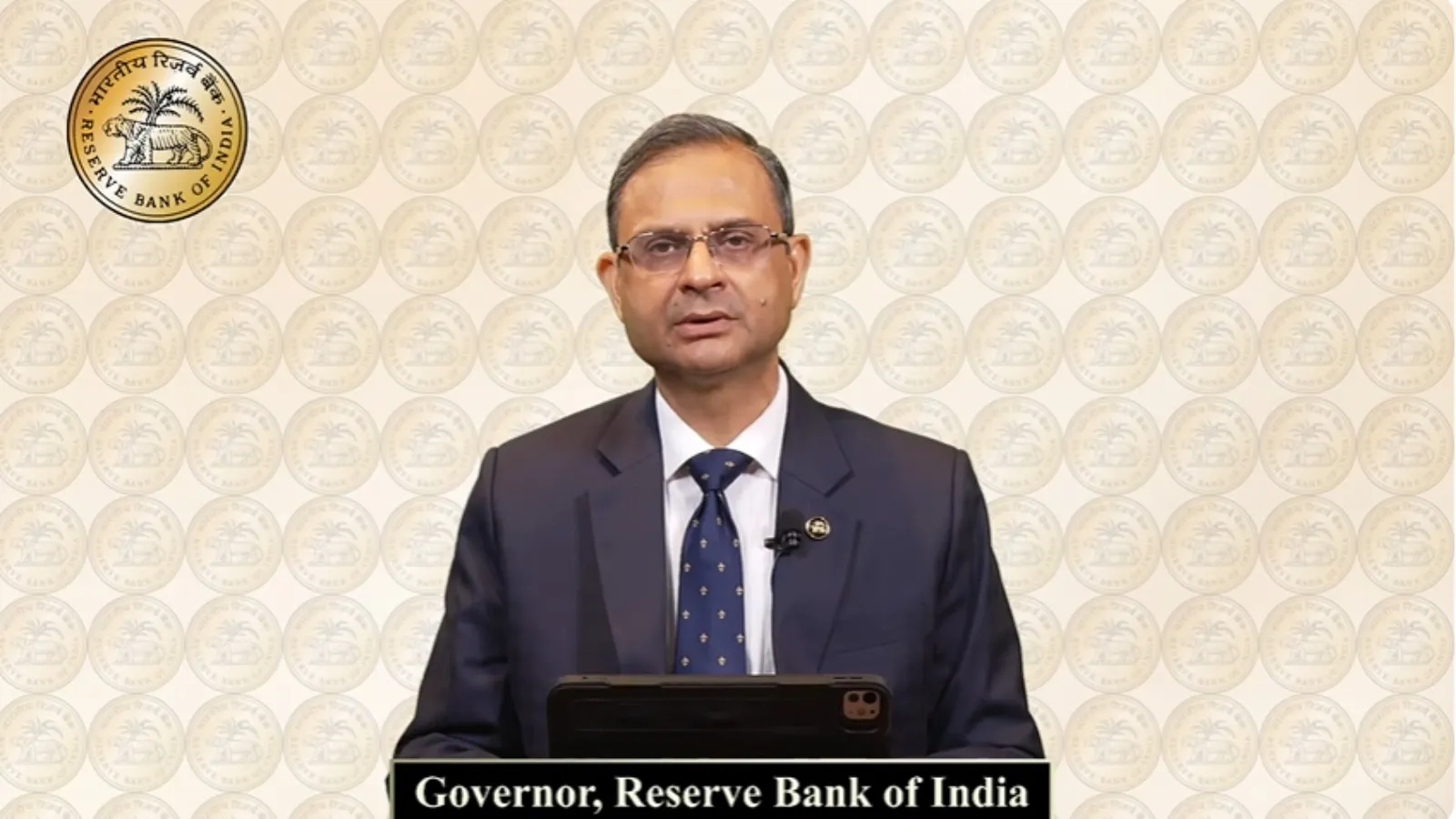
RBI kept the key interest rates on hold, unchanged at 5.25% on Wednesday, April 8, 2026.
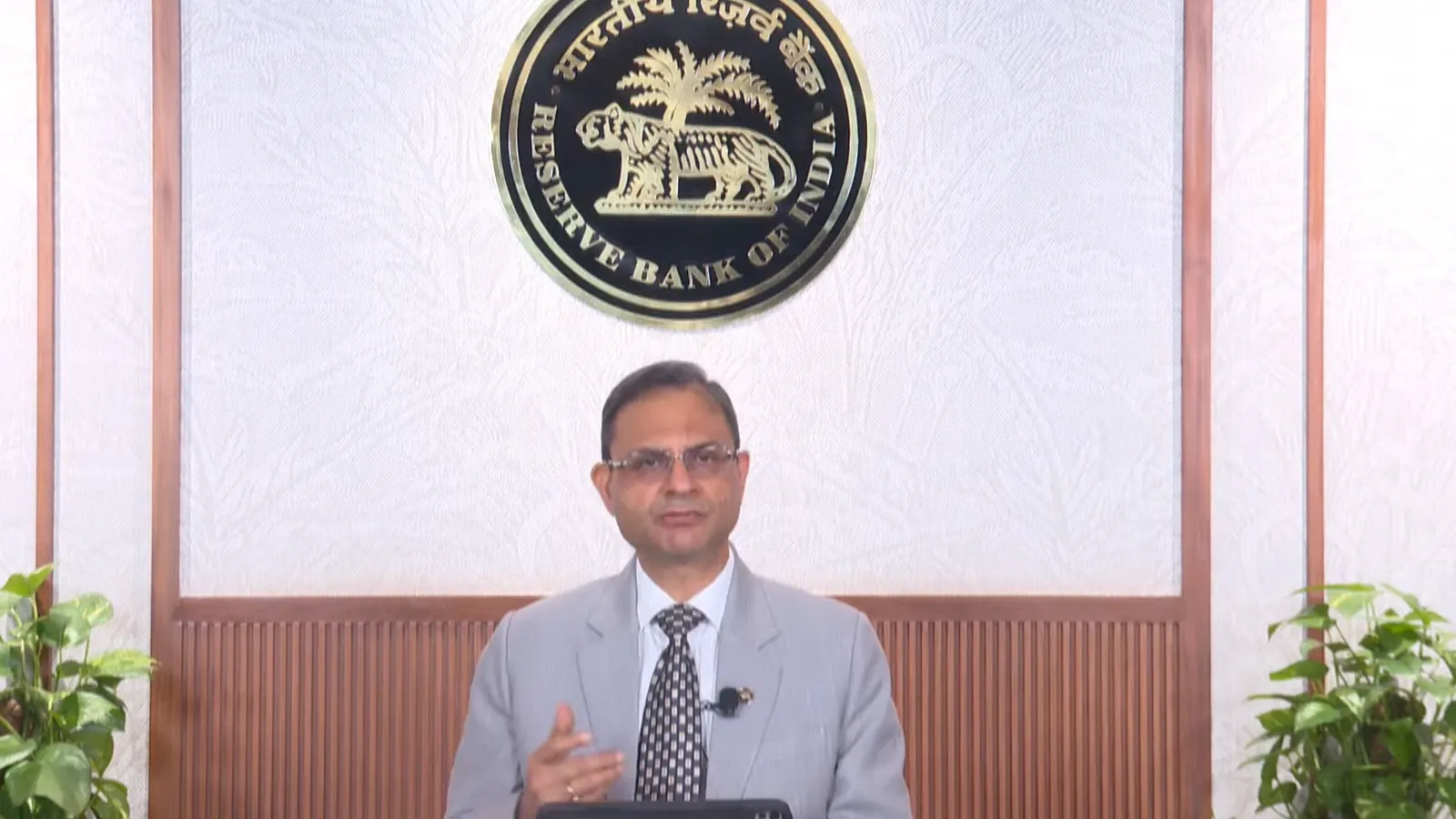
Governor Sanjay Malhotra-led Reserve Bank of India’s monetary policy committee (MPC) decided to keep the key interest rate on hold, unchanged at 5.25%, as the central bank now awaits to assess the future geopolitical developments and the inflation situation in the domestic economy due to the supply disruptions in the global market.
Keeping the interest rates on hold, the RBI reiterated its ‘neutral stance’ for the second time in the April policy outcome, highlighting concerns over geopolitical uncertainties in West Asia.
Experts say that there is a risk of increasing inflation in the Indian economy, some of which has been projected by the central bank on April 8, along with further headwinds for the growth in the financial year ending 2026-27.
Although the headline inflation rate is projected to be moderate and in line with the RBI’s tolerance band of 2% above or under its target range of 4% in the current fiscal, markets are not ruling out the possibility of a rate hike in case the inflation rises above the projected level.
RBI will likely have to reassess its 6.9% real GDP growth projection for the fiscal year 2026-27, as the energy export volumes might take up to two quarters to recover due to backlog, diverted tankers, and partial infrastructure damage cause of the conflict.
“We believe the 6.9% growth estimate put out by RBI for FY27 may need a reassessment as full pre-war energy export volumes might take 3–6 months due to backlog, diverted tankers, and partial infrastructure damage,” said Garima Kapoor, Deputy Head of Research and Economist at Elara Capital.
Inflation risk with El Niño effect
Reserve Bank of India, in its April 2026 MPC outcome announcement, estimated that the CPI inflation for the financial year ending 2026-27 is expected to be 4.6%, with the rates rising till the third quarter of the year before a projected cooling in the final quarter of FY27.
The central bank cited upside risks in inflation due to the hike in crude oil prices, supply disruption in trade, and the dynamic geopolitical conditions as of date as the reasons behind the risk in the Indian economy.
Even though the crop production is estimated to be higher, the risk of food inflation in the economy remains due to the weather-related uncertainties in the region. The El Niño effect or heatwaves during the second half of the southwest monsoon season have the potential to “negatively” impact rainfall in the country.
“Despite sufficient buffer stocks, the RBI has raised concerns on El Niño as one of the key inflation risks. RBI has projected the average GDP growth slightly lower at 6.9% and inflation at 4.5%, with the three risk emphasized are El Niño, Crude oil prices and global uncertainty,” said Vinay Pai, MD & Head of Fixed Income, Equirus Group.
Can RBI potentially hike rates?
Although the central bank predicts there is a risk of rising inflation in the economy, analysts predict that the RBI will not raise its key interest rate unless India’s CPI inflation crosses 6% level in the financial year 2026-27.
“We do not see MPC hiking policy rates until CPI inflation durably surpasses 6% and inflation expectations get unhinged,” said Elara Capital’s Economist Garima Kapoor.
Radhika Rao, Senior Economist & Executive Director at DBS Bank, also explained that the Reserve Bank of India will only consider a rate hike if the second-round inflation effects begin to materialise more clearly, potentially driven by higher fuel prices and a subdued domestic currency.
Duration of West Asia conflict in focus
Experts also said that the duration of the West Asia conflict will be in focus for policymakers and investors, as it will be a key catalyst for inflation, supply-side shock, and GDP growth in the Indian economy.
“The duration and the extent of the Middle East conflict will be a key determinant of inflation and the growth outlook for FY27,” said Puneet Pal, Head- Fixed Income, PGIM India Mutual Fund.
Market participants should also understand that the monetary policy action of the central bank is not in isolation, considering the economic and geopolitical developments in the world.
Hence, when the oil prices start to become affected, this move weighs down on the sentiment across the world, especially for countries like India, which are heavily reliant on crude oil imports. A rise in crude oil prices in the global market causes a ripple effect increase in input costs for the sectors across the Indian market.
Experts like Radhika Rao anticipate that the elevated risks from oil prices and geopolitical tensions limit the scope for near-term easing, reinforcing a prolonged pause in the interest rates of the economy.
Related News

About The Author
Next Story

