Market News
IndiGo Q1 results: Net profit could fall up to 30% on higher fuel costs amid West Asia conflict

3 min read | Updated on July 23, 2026, 11:52 IST


SUMMARY
InterGlobe Aviation, the operator of IndiGo airlines, is expected to report mixed earnings for the June quarter. Elevated aviation turbine fuel costs amid the West Asia conflict could pressure profitability. Investors will closely track management commentary on fuel costs, passenger traffic, airfare trends, market share gains and the company’s overall business outlook.
Stock list
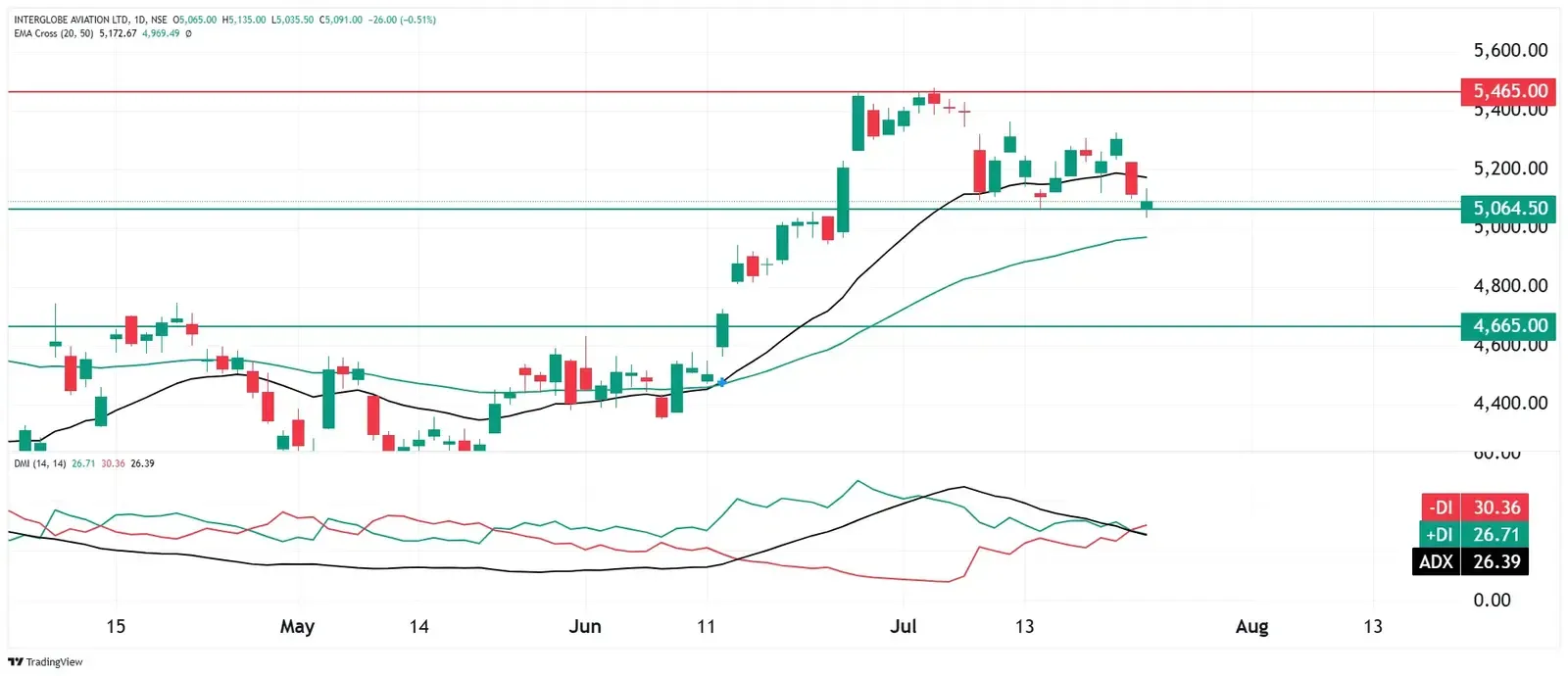
IndiGo shares are witnessing short-term weakness after failing to sustain near the ₹5,465 resistance zone.
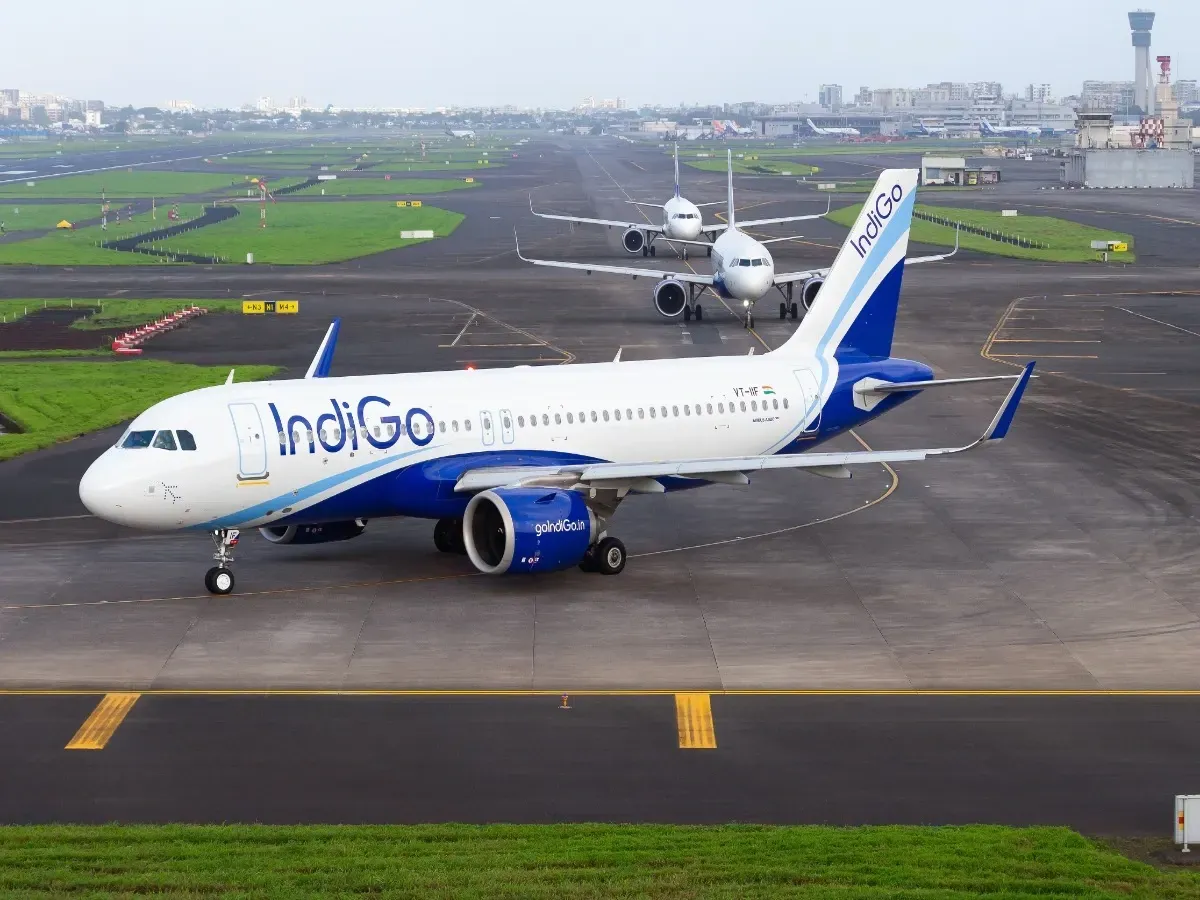
Interglobe Aviation (Indigo) )which operates IndiGo airlines will announce its June quarter earnings on Thursday, July 23. The company’s results come as the aviation industry is facing higher aviation turbine fuel (ATF) costs due to the West Asia conflict.
According to experts, IndiGo could report mixed quarterly earnings as its net sales could jump on a yearly basis. However, profitability could be impacted. The company could report 16% to 18% YoY and 6% to 8% QoQ rise in net sales in the range of ₹23,900 to ₹24,250 crore mainly due to a hike in airfare prices during the quarter. The company registered net sales of ₹22,438 crore in the previous quarter and ₹20,496 crore in the June quarter of FY26.
Net profit of the company could decline by 25% to 30% YoY in the range of ₹1,510 to ₹1,620 crore. IndiGo reported a net profit of ₹2,161 crore in the same quarter last year and net loss of ₹2,662 crore in the previous quarter.
Investors will look forward to management commentary on overall business outlook especially when the sector is going through a rough patch due to elevated ATF prices. Passenger traffic and market share gain will also be tracked closely.
Ahead of the Q1FY27 result announcement, IndiGo shares closed 2% lower at ₹1,052 on July 22. So far this year, IndiGo shares are trading flat, up 1.1%.
Technical outlook
InterGlobe Aviation is witnessing short-term weakness after failing to sustain near the ₹5,465 resistance zone. The stock has slipped below the 20-day EMA at ₹5,173, while the DMI shows sellers gaining control and ADX near 26.
Immediate support is placed around ₹5,060–₹5,000, followed by the 50-day EMA near ₹4,970. A close below this zone could extend the correction. On the upside, the stock needs to reclaim ₹5,170–₹5,200 to regain momentum, with ₹5,465 remaining the key resistance.
Options outlook
For the 28 July expiry, the highest open interest build-up on call options base was observed at 5,300 strike, while put base was observed at 5,050 strike. This means that these levels will act as resistance and support zones.
Meanwhile, the current at-the-money as of 11 am on 23 July stands at 5,100 strike with the combined premium at ₹272 for both call and put options. This implies an expected move of ±5.3% for July expiry.
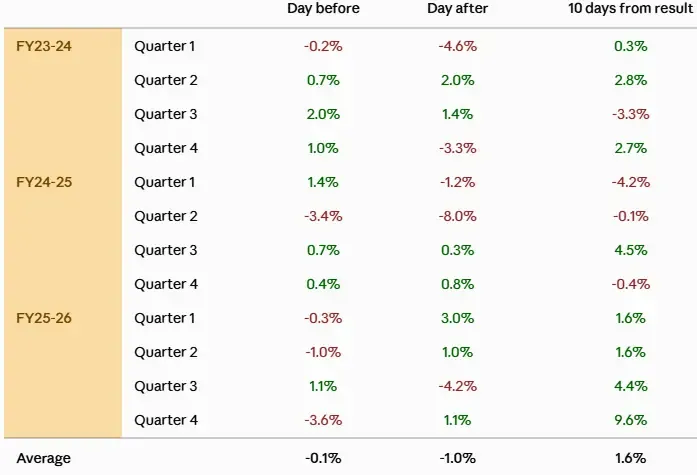
To gauge whether such a move is likely, we’ll examine Interglobe Aviation’s (Indigo) price behaviour over the past three years.
Options strategy for Indigo
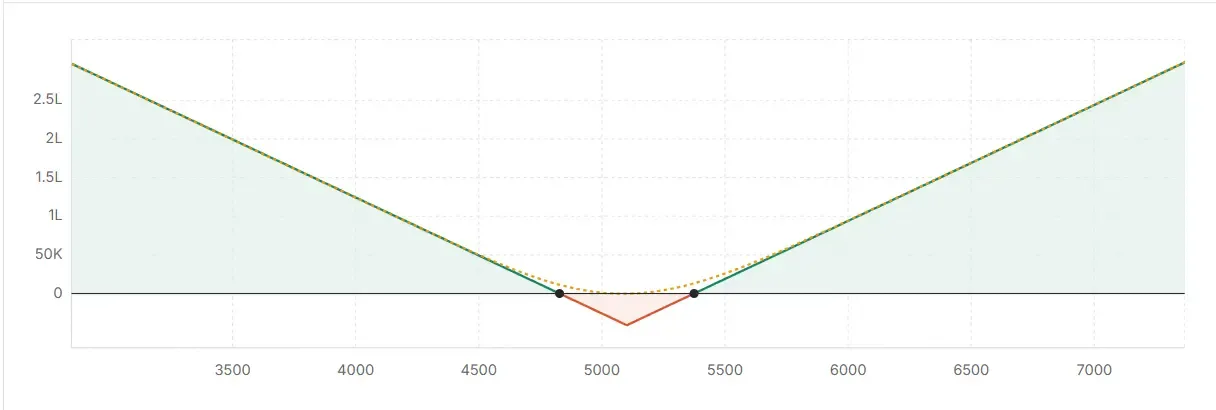
The implied move of ±5.3% opens up opportunities for both volatility and directional trades. Traders expecting a significant price swing can opt for a Long Straddle, buying both call and put options of the same strike and expiry. The strategy benefits if Indigo moves beyond the implied range of ±5.3%.
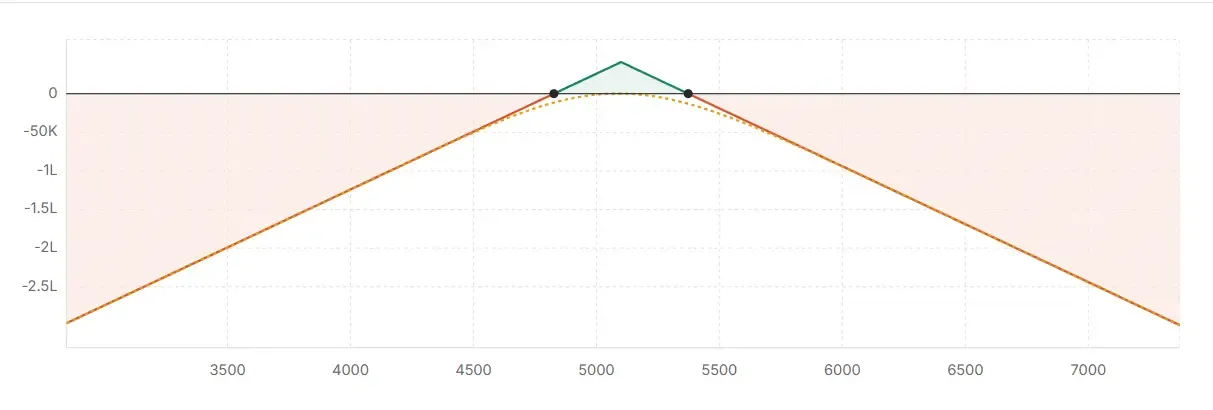
Meanwhile, those anticipating limited movement may consider a Short Straddle, which benefits if the stock stays within the ±5.3% band post-earnings.
For directional traders, a Bull Call Spread may be ideal above the immediate resistance zone, while traders expecting a breakdown of support can consider Bear Put Spreads.
Disclaimer:
Derivatives trading must be done only by traders who fully understand the risks associated with them and strictly apply risk mechanisms like stop-losses. We do not recommend any particular stock, securities, or trading strategies. The securities quoted are exemplary and not recommendatory. The stock names mentioned in this article are purely to show how to do an analysis.
About The Author
Next Story