
Business News
West Asia conflict may lift Indian aluminium makers' profitability to decade high: Crisil
.png)
3 min read | Updated on June 02, 2026, 11:19 IST


SUMMARY
Curtailed production across GCC countries has widened the global supply deficit and pushed aluminium prices to their highest levels in ten years.
Stock list
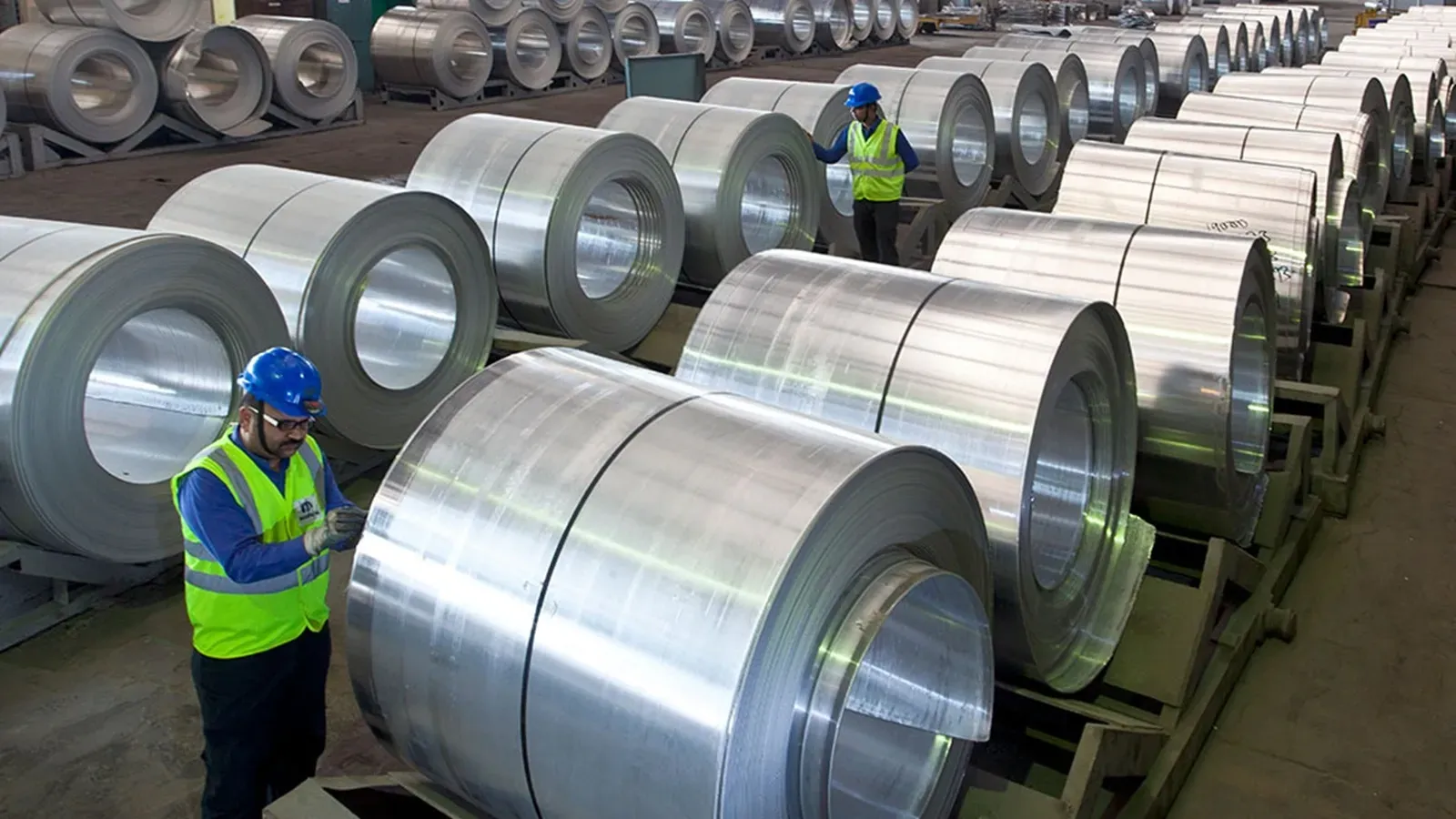
The supply shock has pushed London Metal Exchange (LME) aluminium prices above USD 3,500 per tonne on average since the conflict began in February 2026.
Indian primary aluminium manufacturers are likely to see profitability surge to a decade high in the current fiscal amid supply disruptions in the Gulf region due to the ongoing West Asia conflict, according to a Crisil Ratings report.
The report said a global aluminium supply deficit triggered by production curtailments across the Gulf Cooperation Council (GCC) region is expected to lift earnings before interest, tax, depreciation and amortisation (EBITDA) of domestic producers to over USD 1,450 per tonne in fiscal 2027.
Crisil's analysis of three domestic primary aluminium producers, which account for about 90% of India's 4.6 million tonne production capacity, indicates that elevated metal prices and relatively stable production costs will significantly strengthen profitability and cash generation.
The GCC region, which accounted for 8.3% of global aluminium output in calendar year 2025, has witnessed disruption in production following strikes on major smelting infrastructure, and gas supply shortages.
The disruptions have curtailed regional supply by 40-50% and could widen the global aluminium deficit to 1.5-2 million tonnes this year, the highest in a decade.
The supply shock has pushed London Metal Exchange (LME) aluminium prices above USD 3,500 per tonne on average since the conflict began in February 2026, the highest level in ten years.
"Disruption caused by the West Asia conflict is significant, considering the global supply deficit averaged below 0.5 MT over the last 5 years. With global smelting capacities operating above 90% utilisation and China's primary output already near its 45 MT cap, there is limited room to offset the GCC shortfall," Crisil Ratings Director Ankit Hakhu said.
"Even in a scenario of the West Asia conflict being resolved in the next one to two quarters, this deficit is likely to keep prices elevated in the range of USD 3,200-3,300 per tonne through fiscal 2027," he added.
The report noted that Indian producers stand to benefit disproportionately because their aluminium realisations are linked to international benchmark prices while their production costs remain among the lowest globally.
According to Crisil, most domestic smelting capacities operate in the first quartile of global cost curves owing to high backward integration and access to captive resources.
Indian producers derive a major advantage from captive coal-based power generation, which shields them from volatility in global gas markets.
Power accounts for about 40-45% of aluminium production costs.
Abundant domestic bauxite reserves and integrated alumina refining capacities enable producers to meet 85-90% of their raw material requirements internally.
As a result, production costs for integrated Indian producers are expected to remain largely stable at USD 1,900-1,950 per tonne this fiscal, compared with about USD 1,865 per tonne in fiscal 2026.
"The key advantage Indian producers hold in this milieu is their self-sufficiency in key raw material availability for primary aluminium production. Unlike GCC smelters, Indian players rely mainly on domestically sourced raw materials like coal and bauxite," Crisil Ratings Director Ankush Tyagi said.
"Thus, a sharp increase in realisations will push operating margins of Indian primary aluminium producers above USD 1,400-1,500 per tonne this fiscal -- well above the decadal average of about USD 560 per tonne," he added.
The report said the improvement in profitability coincides with capacity expansions undertaken by domestic producers to cater to growing demand.
Domestic aluminium consumption is expected to rise 7-9% this fiscal, supported by increasing electrification and adoption of electric vehicles.
Export opportunities are also expected to improve as buyers in Europe, Japan and the United States look for alternative suppliers amid reduced shipments from the GCC region.
About The Author
Next Story

