
Business News
India’s domestic air traffic growth slows to 1% in March, FY26 rise at 1.4%: ICRA
.png)
3 min read | Updated on May 01, 2026, 11:45 IST


SUMMARY
The agency maintained a “negative” outlook for the sector, citing rising aviation turbine fuel (ATF) prices, rupee depreciation, and geopolitical disruptions that are squeezing airline profitability.
Stock list
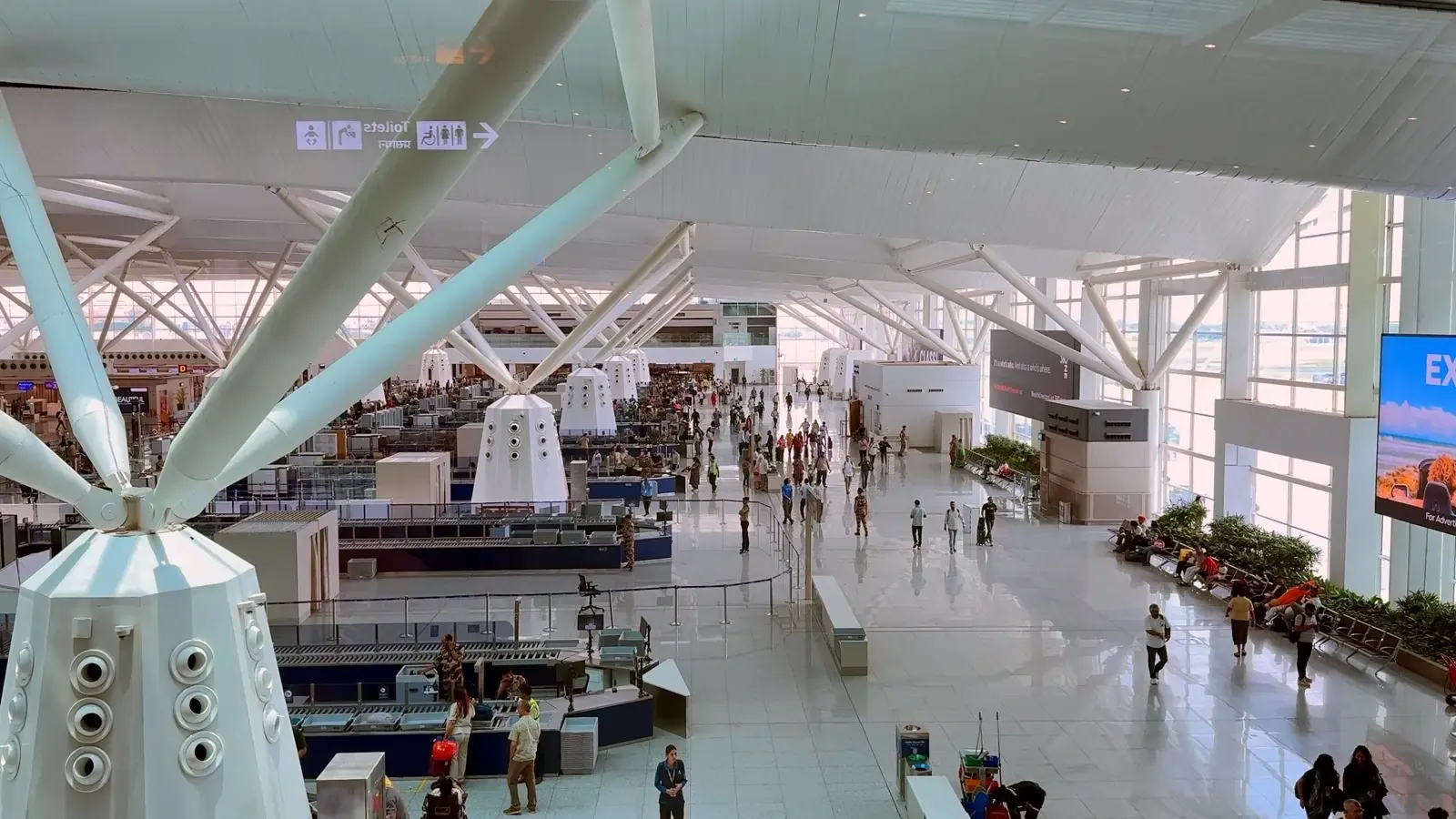
ATF prices rose 9.2% in April from the previous month and were up 18.2% year-on-year. Image: Shutterstock
India’s domestic air passenger traffic grew at a modest pace of 1% year-on-year in March 2026, taking the overall growth for FY2026 to 1.4%, ratings agency ICRA said on Tuesday.
Domestic air passenger traffic stood at 146.8 lakh in March 2026, compared to 145.4 lakh in the year-ago period and 140.6 lakh in February 2026, ICRA said in a report.
For the full financial year 2025-26, domestic passenger traffic aggregated to 1,677.4 lakh, registering a 1.4% growth, in line with ICRA’s earlier estimates of 0-3%.
On a sequential basis, traffic rose 4.4% in March, even as airlines’ capacity deployment remained 3% lower than March 2025, though it was 10.6% higher compared to February this year.
ICRA maintained a “negative” outlook on the Indian aviation industry, citing pressure on profitability from rising aviation turbine fuel (ATF) prices.
The revenue per available seat kilometre–cost per available seat kilometre (RASK-CASK) spread is expected to weaken due to hardening aviation turbine fuel prices, geopolitical tensions impacting international airspace availability, and depreciation of the rupee against the US dollar, the agency said.
ATF prices rose 9.2% in April from the previous month and were up 18.2% year-on-year, driven by higher crude oil prices following the conflict in the region.
Fuel costs account for 30-40% of airlines’ operating expenses, making the sector highly sensitive to price fluctuations and currency movements.
The government has reduced landing and parking charges by 25% for three months starting April 2026, offering some relief to carriers.
The report also highlighted a mixed trend in international operations.
Passenger traffic for Indian carriers fell 0.3% year-on-year in February and declined 16% sequentially to 2.85 million.
However, for the April–February period, international traffic rose 7.7% to 33.15 million.
ICRA said its earlier forecasts for FY2027 – 6–8% domestic growth and 8–10% international growth – now carry a “downward bias” due to flight cancellations, rerouting and higher fares.
The agency also warned that the industry’s projected net loss for FY2027, earlier estimated at 110–120 billion rupees, could worsen due to rising costs and operational challenges stemming from the West Asia conflict.
Indian carriers are already expected to report net losses of ₹170–180 billion in FY2026, hit by slower traffic growth, currency losses and disruptions, including flight cancellations and stricter pilot duty regulations.
The sector also continues to grapple with supply chain challenges and engine issues, particularly involving Pratt & Whitney engines, which led to the grounding of about 117 aircraft as of February 2026, or 13-15% of the total fleet.
About The Author
Next Story

