
Business News
India, China among 60 economies in US forced labour trade investigation; Full list

3 min read | Updated on March 13, 2026, 09:20 IST


SUMMARY
The United States has launched investigations into 60 economies, including India, China, the European Union, Japan, and the United Kingdom, over allegations that their policies fail to prevent goods produced with forced labour from entering global supply chains.
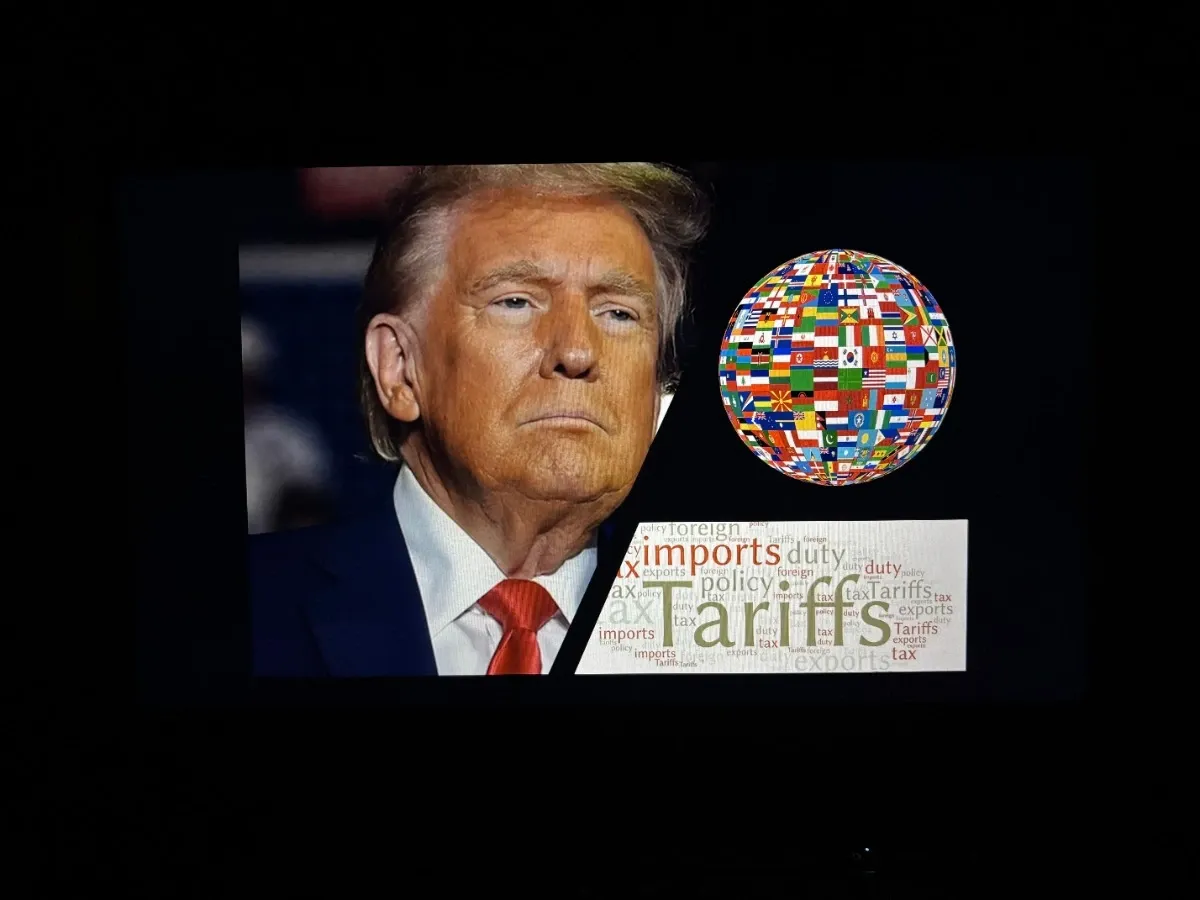
The Supreme Court had earlier ruled in a 6–3 decision that the president lacked authority to impose sweeping tariffs without explicit approval from Congress. Image: Shutterstock
The United States has launched investigations into 60 economies, including India and China, over their alleged failure to prevent the import of goods produced with forced labour.
The Office of the United States Trade Representative (USTR) said the probes have been initiated under Section 301(b) of the Trade Act of 1974 to examine whether the policies or practices of these economies regarding goods produced with forced labour are “unreasonable or discriminatory” and burden or restrict US commerce.
The investigations cover several of the United States’ largest trading partners, including India, China, European Union, Japan, the United Kingdom, Canada, Australia, Mexico, Brazil and Vietnam, among others.
“Despite the international consensus against forced labor, governments have failed to impose and effectively enforce measures banning goods produced with forced labour from entering their markets,” US Trade Representative Jamieson Greer said in a statement.
“For too long, American workers and firms have been forced to compete against foreign producers who may have an artificial cost advantage gained from the scourge of forced labour,” he added.
The USTR said it has requested consultations with the governments concerned and will hold public hearings on April 28 as part of the investigations.
Section 301 investigations allow the US to take action against foreign trade practices deemed unfair, including imposing tariffs or other restrictions.
The move comes as the administration seeks alternative ways to impose tariffs after the US Supreme Court last month ruled that President Donald Trump exceeded his authority by imposing sweeping “reciprocal” tariffs without explicit congressional approval.
In a 6–3 decision, the court said Trump exceeded his authority when he moved ahead with "reciprocal" tariffs without clear authorisation from Congress.
A US trade court judge later directed the federal government to begin refunding billions of dollars in tariffs paid by importers.
The Trump administration has already imposed a 10% tariff on foreign-made goods under Section 122 of the Trade Act, a temporary measure that is set to expire on July 24.
Trump has said he plans to raise the tariff to 15%.
Greer indicated that additional Section 301 investigations could also be launched in areas such as digital services taxes, pharmaceutical pricing and ocean pollution.
- Algeria
- Angola
- Argentina
- Australia
- The Bahamas
- Bahrain
- Bangladesh
- Brazil
- Cambodia
- Canada
- Chile
- China, People’s Republic of
- Colombia
- Costa Rica
- Dominican Republic
- Ecuador
- Egypt
- El Salvador
- European Union
- Guatemala
- Guyana
- Honduras
- Hong Kong, China
- India
- Indonesia
- Iraq
- Israel
- Japan
- Jordan
- Kazakhstan
- Kuwait
- Libya
- Malaysia
- Mexico
- Morocco
- New Zealand
- Nicaragua
- Nigeria
- Norway
- Oman
- Pakistan
- Peru
- Philippines
- Qatar
- Russia
- Saudi Arabia
- Singapore
- South Africa
- South Korea
- Sri Lanka
- Switzerland
- Taiwan
- Thailand
- Trinidad and Tobago
- Türkiye
- United Arab Emirates
- United Kingdom
- Uruguay
- Venezuela
- Vietnam
Related News
About The Author
Next Story

