
Business News
El Nino, weak monsoon pose downside risks to agriculture output in 2026-27: RBI
.png)
3 min read | Updated on May 29, 2026, 13:02 IST


SUMMARY
The RBI said that positive Indian Ocean Dipole conditions later in the season could partly offset the adverse effects of El Niño.

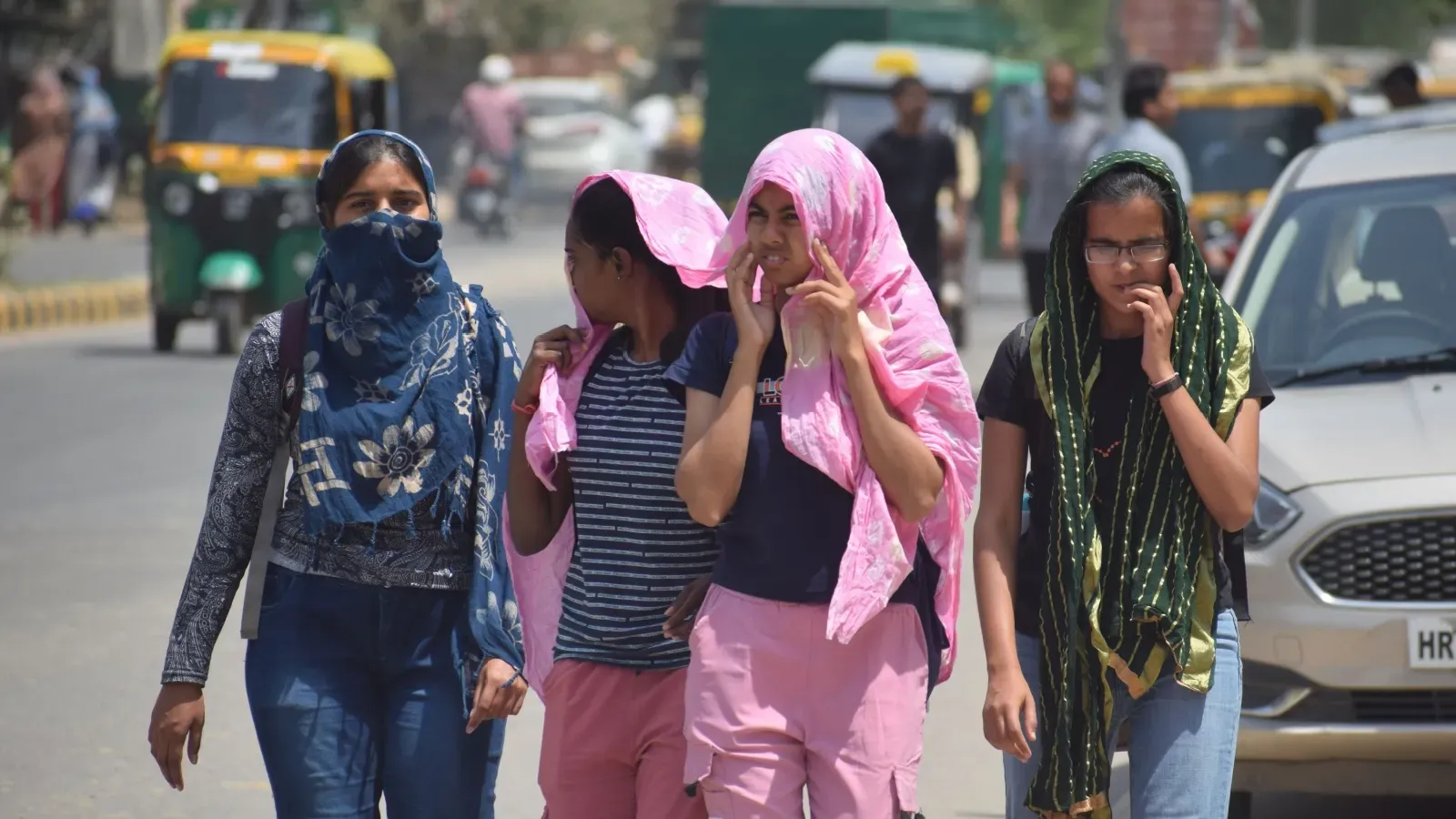
A weak monsoon can affect sowing, crop yields and rural demand, with implications for overall economic growth and food inflation. Image: Shutterstock
India's agriculture sector faces downside risks in 2026-27 from a likely El Nino-driven weak monsoon, but improving irrigation coverage, better crop management and technological advancements could help cushion the impact, the Reserve Bank of India (RBI) said in its annual report released on Friday.
The central bank said the outlook for agriculture in the current fiscal remains closely tied to the progress and spatial distribution of the southwest monsoon.
"The outlook for the agriculture sector in 2026-27 remains contingent upon the progress and distribution of the south-west monsoon. The likelihood of El Nino conditions poses downside risks to agriculture output," the RBI said in its Annual Report 2025-26.
The RBI, however, noted that rain-inducing positive Indian Ocean Dipole (IOD) conditions are likely to emerge towards the latter part of the monsoon season and could partly offset the adverse effects of El Nino.
"Moreover, while the monsoon remains critical for Indian agriculture, the sensitivity of agricultural production to rainfall variability has moderated over time with rising irrigation intensity, improved crop management practices, and technological advancements," it said.
IMD forecast
The RBI's assessment came on a day when the India Meteorological Department (IMD) updated its long-range forecast and projected below-normal rainfall for the country during the June-September southwest monsoon season.
According to the IMD, the southwest monsoon seasonal rainfall over the country as a whole is likely to be 90% of the Long Period Average (LPA), with a model error of plus or minus 4%, indicating below-normal rainfall during the season.
The weather office said rainfall is most likely to be below normal over Central India, South Peninsular India and Northwest India, while Northeast India is expected to receive normal rainfall.
The IMD also projected that rainfall over the Monsoon Core Zone (MCZ), which comprises most of India's rainfed agricultural areas, is likely to remain below normal.
For June, rainfall across the country is expected to be below normal at less than 92% of the LPA, with below-normal precipitation likely over most regions.
The weather department said neutral El Nino-Southern Oscillation (ENSO) conditions are currently transitioning towards El Nino conditions over the equatorial Pacific, and climate model forecasts suggest El Nino is likely to develop during the southwest monsoon season.
The IMD further said above-normal heatwave days are expected in several states, including Uttar Pradesh, Haryana, Punjab, Bihar, Odisha, Chhattisgarh, Gujarat and Andhra Pradesh during June.
A weak monsoon can affect sowing, crop yields and rural demand, with implications for overall economic growth and food inflation.
Related News
About The Author
Next Story

