
Upstox Originals
Spot the difference: Undervalued opportunity or a value trap
.png)
3 min read | Updated on July 17, 2024, 15:48 IST


SUMMARY
Looking at a stock with really cheap valuations? But is it cheap because the market has overlooked it or because fundamentals don't support it? Is it an attractive opportunity or a value trap that could hurt your wealth creation? How should an investor spot the difference?

Undervalued opportunity or value trap, how do you find out?
The quest for inexpensive stocks with the prospect of significant unrealized gains may be an exciting exercise for an investor. However, not all cheap stocks are worthwhile buys. Some are price traps.
A value trap first appears to be an 'undiscovered' bargain, but upon further investigation, you may discover a company with underlying difficulties that might erode the stock's value and result in disappointing returns.
What is it exactly?
A value trap is a stock that appears desirable due to its low valuation but fails to meet expectations. This arises when the company's fundamentals are unable to support future expansion.
Characteristics of a value trap?
| What makes it attractive | What makes it a trap |
|---|---|
| Low P/E (or other valuation metric) | Week or declining fundamentals |
| High dividend yield | Poor Management |
| Optically attractive stock price | Weak Competitive Position |
| Deteriorating Industry Conditions | |
| Repeated Earnings Misses / Overpromising but under-delivering | |
| High Debts Levels |
Case Studies
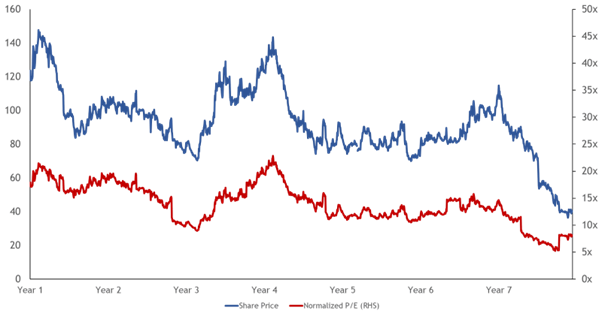
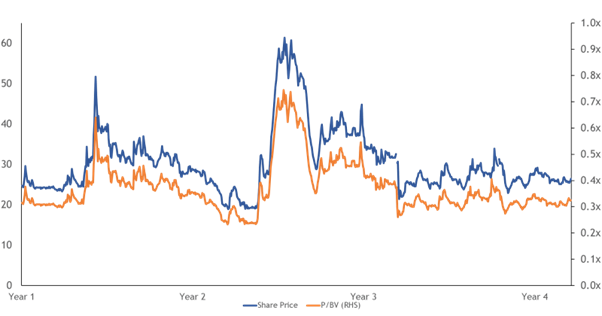
In the case studies below, we listed two examples - a media and finance company. In both cases, we have looked at:
- Price movement
- Valuation trend
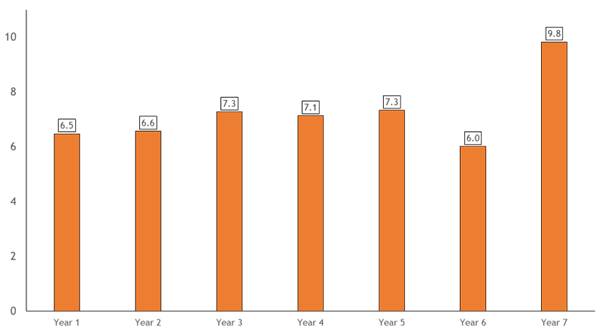
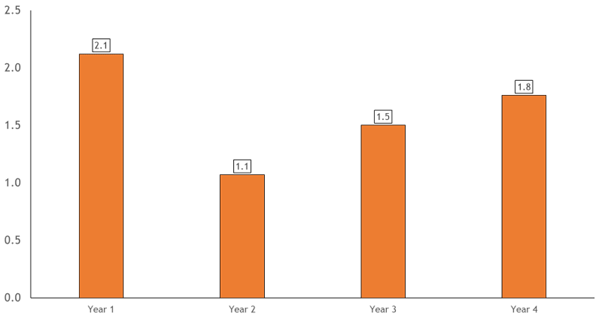
- Earnings or EPS growth
We have used normalised EPS to ignore the impact of any one-time event that could impact earnings.
As expected, in both cases, weak fundamentals weighed on the stock prices.
- In case 1: The CAGR stock price returns were negative 19.7%; and
- In case 2: The price stagnated over the period under consideration
In both cases, failure to consider the underlying fundamentals of a company would have significantly weighed on investor returns.
Media sector company price and P/E trend
 Source: Capital IQ
Normalized EPS (in ₹): CAGR of 7.2%
 Source: Capital IQ
Finance sector company price and P/B trend
 Source: Capital IQ
Normalized EPS (in ₹): CAGR of -6.0%
Source: Capital IQ
Once a value trap, always a value trap?
No. Any change in fundamentals will impact the market price. If a company can improve its fundamentals consistently, it could transform from a value trap to an undervalued opportunity.
Steps investors should take to avoid value traps:
-
Conduct thorough research: Regularly monitor the financial statements, earning reports, and ratios. Look for any signs of unfavourable trends and investigate the reasons behind these trends by keeping yourself updated about the industry trends and news.
-
Manage risk: To reduce the risk of falling for a value trap, diversify your portfolio across different asset classes and industries which can help cushion against the impact of any single value trap.
-
Examine cash flow and debt level: Evaluation of a company's free cash flow to understand its financial health is essential. Poor free cash flow can signal difficulties in sustaining operations, paying dividends, or investing in growth. Check the debt-to-equity ratio and interest coverage ratio to gauge the company's ability to manage its debt.
-
Management quality: Examine the company's leadership's track record and strategic direction, since good forward-thinking management may often turn a faltering business around.
-
Product and market position: Look for organizations that have a competitive advantage and can respond to market developments. Companies that fail to innovate or maintain product quality are more prone to become value traps.
About The Author
Next Story



