
Personal Finance News
Selling an inherited house in 2026: Can I treat it as my HUF property and what tax applies?

5 min read | Updated on January 16, 2026, 09:03 IST


SUMMARY
Income Tax rules for selling inherited property in 2026: In case the house was acquired prior to 1st April 2001, you have the option to treat the fair market value of this property as on April 1, 2001 as your cost and for this purpose you will have to obtain a valuation report from a registered valuer. Please note that the fair market value as on April 1, 2001 cannot be higher than the stamp duty valuation on that date.

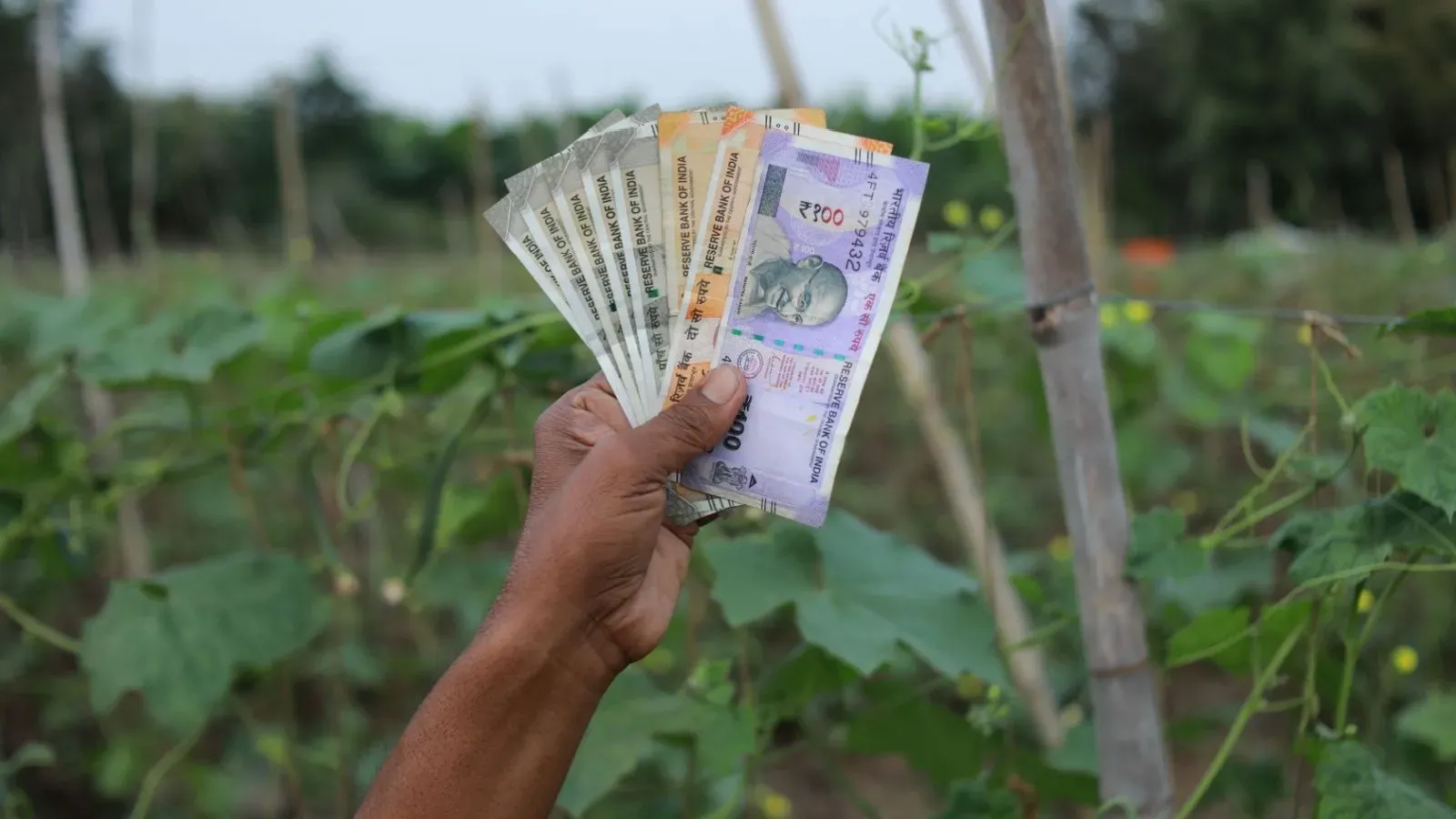
The concept of ancestral property is almost removed by Hindu Succession Act, 1956. | Image source: Shutterstock
The sale proceeds from an asset received as inheritance are not always fully tax-free. Inherited property is treated as your personal asset. Considering it as a part of your HUF can lead to tax complications. Today's Q&A explains these complications and the correct tax rules in response to a reader's query. She has inherited a property from her father-in-law and wants to know whether it can be treated as a part of her HUF and how it will be taxed if she sells.
The concept of ancestral property is almost removed by Hindu Succession Act, 1956 except for the assets that were inherited prior to introduction of the Hindu Succession Act, 1956.
Prior to Hindu Succession Act 1956 becoming law, all the assets inherited by a son from his father, grandfather were treated as ancestral property and by default were treated as assets of his HUF.
Under the provisions of Hindu Succession Act, 1956 all the assets of a Hindu dying intestate (without leaving a valid will) are inherited and shared between the heirs specified in the Schedule of the Hindu Succession Act, 1956. Such legal heirs receive such assets as their personal assets. Therefore, the house received by you from your father-in-law is your personal asset and cannot be treated as an asset of your HUF.
If you treat this house as a HUF asset, it will be treated as a gift made by you to your HUF and the clubbing provisions will apply on the income generated by the residential house, including capital gains made at the time of sale.
The clubbing will continue to apply even after the asset is converted from one form to another. Even after the full partition of the HUF, the clubbing provisions will apply with respect to the share allotted to your spouse.
There is no tax liability for asset received as inheritance because it is not treated as your income. Your understanding about the sale proceeds from the asset received as inheritance are fully tax-fee is not correct. The capital gains on the sale of capital assets received as inheritance become taxable in your hand.
For determining the cost of the house, for computing the capital gains, received as an inheritance, you will have to go back and find out the amount which was paid by your father-in-law in case he had bought it. In case he also has had received as gift or inheritance, you will have to find out the cost of the house for which the same was purchased by the previous owner who had actually had paid for it.
In case the house was acquired prior to 1st April 2001, you have the option to treat the fair market value of this property as on April 1, 2001 as your cost and for this purpose you will have to obtain a valuation report from a registered valuer. Please note that the fair market value as on April 1, 2001 cannot be higher than the stamp duty valuation on that date.
Since the asset has been held for more than two years on the date of sale, the profits on the sale of this property will be treated as a long term capital gains. You have the option to pay tax either at 12.50% on unindexed gain or @ 20% on the indexed long term capital gains.
Key rules on ancestral property, HUF treatment, inheritance and tax
| Topic | Summary |
|---|---|
| Status of ancestral property | Ancestral property concept largely removed by the Hindu Succession Act, 1956 except for assets inherited before 1956. |
| Pre‑1956 rule | Property inherited by a son from father or grandfather was automatically ancestral and part of HUF. |
| Post‑1956 rule | Assets inherited under the Hindu Succession Act are received as personal assets, not HUF assets. |
| Property from father‑in‑law | Treated as your personal property, not HUF property. |
| If treated as HUF asset | It becomes a gift by you to the HUF, triggering clubbing provisions on rental income and capital gains. |
| Clubbing after conversion or partition | Clubbing continues even if the asset is converted to another form or after HUF partition in the spouse’s share. |
| Tax on inheritance | Inherited property is not taxed when received. |
| Tax on sale of inherited property | Capital gains tax applies on sale of inherited property; sale proceeds are not tax‑free. |
| Cost of acquisition rule | Cost is the amount paid by the original buyer (father‑in‑law or previous owner). |
| If acquired before 1 April 2001 | You may take fair market value as on 1 April 2001 (not exceeding stamp value) based on a registered valuer’s report. |
| Nature of capital gains | If held for more than 2 years, treated as long‑term capital gains. |
| Tax rate options | 12.50% on unindexed gains, or 20% on indexed long‑term capital gains. |
Related News

About The Author
Next Story



