
Personal Finance News
ITR filing for senior citizens AY 2026-27: ITR-1, ITR-2, ITR-3 or ITR-4? Know which form applies

4 min read | Updated on June 01, 2026, 11:20 IST


SUMMARY
The good news is that the Income Tax Department has already made the online filing and Excel utilities for ITR-1, ITR-2 and ITR-4 available on the e-filing portal, so taxpayers can start preparing their returns without waiting for deadlines to approach.

For senior citizens filing ITR for AY 2026-27, the form you should use actually depends on where your income comes from. | Image: Shutterstock.
ITR filing for senior citizens AY 2026-27: Filing income tax returns can be confusing for senior citizens, especially with multiple forms such as ITR-1, ITR-2, ITR-3, and ITR-4.
For Assessment Year 2026-27, the basic rule is simple: the form you choose depends entirely on your income sources, not just your age.
The good news is that the Income Tax Department has already made the online filing and Excel utilities for ITR-1, ITR-2 and ITR-4 available on the e-filing portal, so taxpayers can start preparing their returns without waiting for deadlines to approach.
These forms for filing ITRs for income earned in the 2025-26 fiscal year were notified on March 30. With online filing and the Excel utility now enabled, assessees can start filing tax returns.
Who is a senior or super senior citizen?
-
Senior citizen: 60 years or above but below 80
-
Super senior citizen: 80 years or above
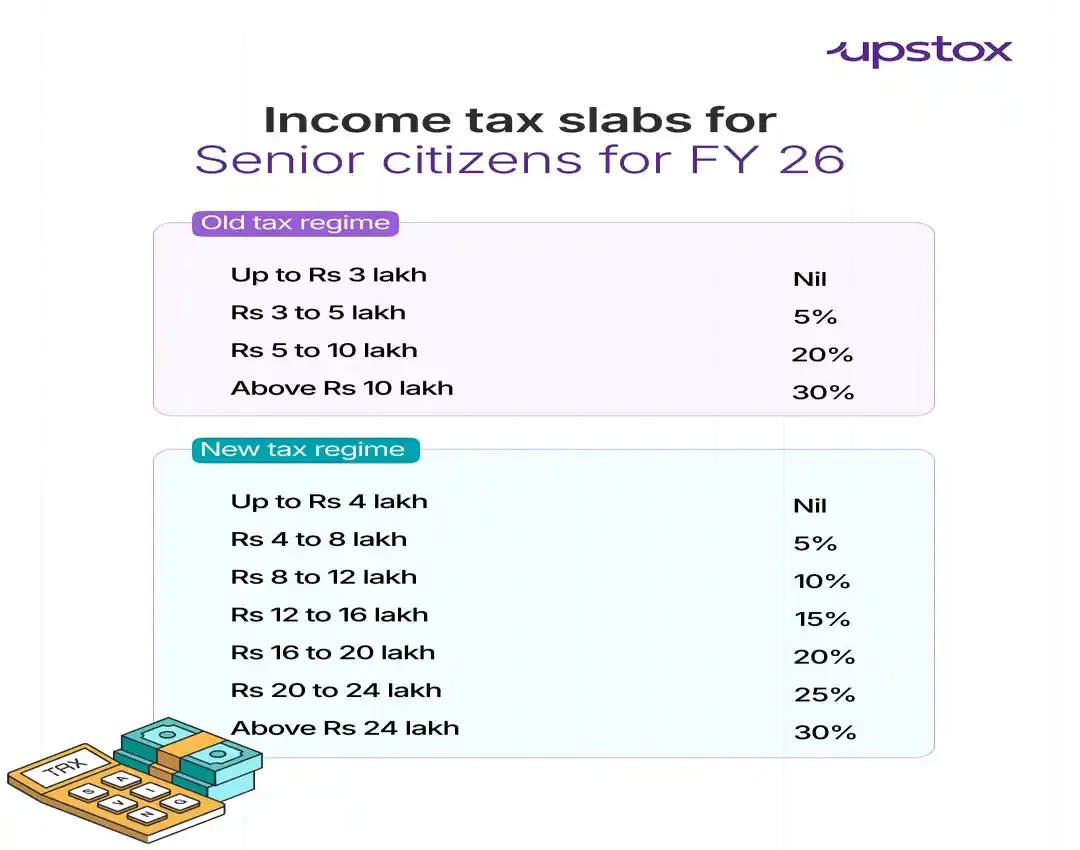
These categories matter because tax slabs and certain exemptions vary by age.
"Now there is also a special sort of relief for super senior citizens (75 years and above). If your income is only a pension and interest from the same specified bank, then you may not have to file an ITR at all. You can just submit Form 125 to your bank; they will take care of tax compliance for you," added CA Gaurav Singh Parmar.
Which ITR form applies?
| Form | Who can use it | Key income sources covered |
|---|---|---|
| ITR-1 (Sahaj) | Most salaried individuals, retirees, and pensioners with simple income | Income up to ₹50 lakh, salary/pension, interest income (FD, SCSS, savings) |
| ITR-2 | Senior citizens and others with more complex income | Capital gains (shares, mutual funds, property), multiple house properties, foreign income or assets |
| ITR-3 | Individuals with business or professional income | Business income, professional income, other sources not covered under ITR-1/2 |
| ITR-4 (Sugam) | Small business owners or those under presumptive taxation scheme | Presumptive income under Sections 44AD, 44ADA, 44AE, income up to prescribed limits |
How senior citizens can file ITR
Next, choose the relevant assessment year and select the online mode of filing. After that, select the type of taxpayer (Individual, HUF, etc.) and choose the correct ITR form based on your income sources. Once selected, click on “Start Filing” and proceed.
You will be asked some basic questions about your income and filing reason. After filling in the required details, complete all mandatory fields carefully and submit the information.
Before final submission, review your return using the preview option to check for errors. If everything is correct, proceed with validation and then move to verification.
Finally, complete e-verification using Aadhaar OTP, net banking, bank account, demat account, or other available options. If you do not e-verify online, you can also sign and send the ITR-V to the Centralised Processing Centre in Bengaluru by speed post.
ITR filing 2026 due date
The last date for filing income tax returns by individual taxpayers in ITR-1 and ITR-2 is July 31, while for non-audit taxpayers filing ITR-4, the deadline is August 31.
Related News


About The Author
Next Story

