
Personal Finance News
FAST-DS explained: Foreign asset disclosure scheme opens; check eligibility, tax, ₹1 crore and ₹5 crore limits

5 min read | Updated on August 17, 2026, 11:47 IST


SUMMARY
The Foreign Assets of Small Taxpayers-Disclosure Scheme (FAST-DS), announced in the 2026-27 Budget, comes into force on 16th August, 2026. Declarations can be filed online up to 31st December, 2026. The scheme is aimed at small taxpayers
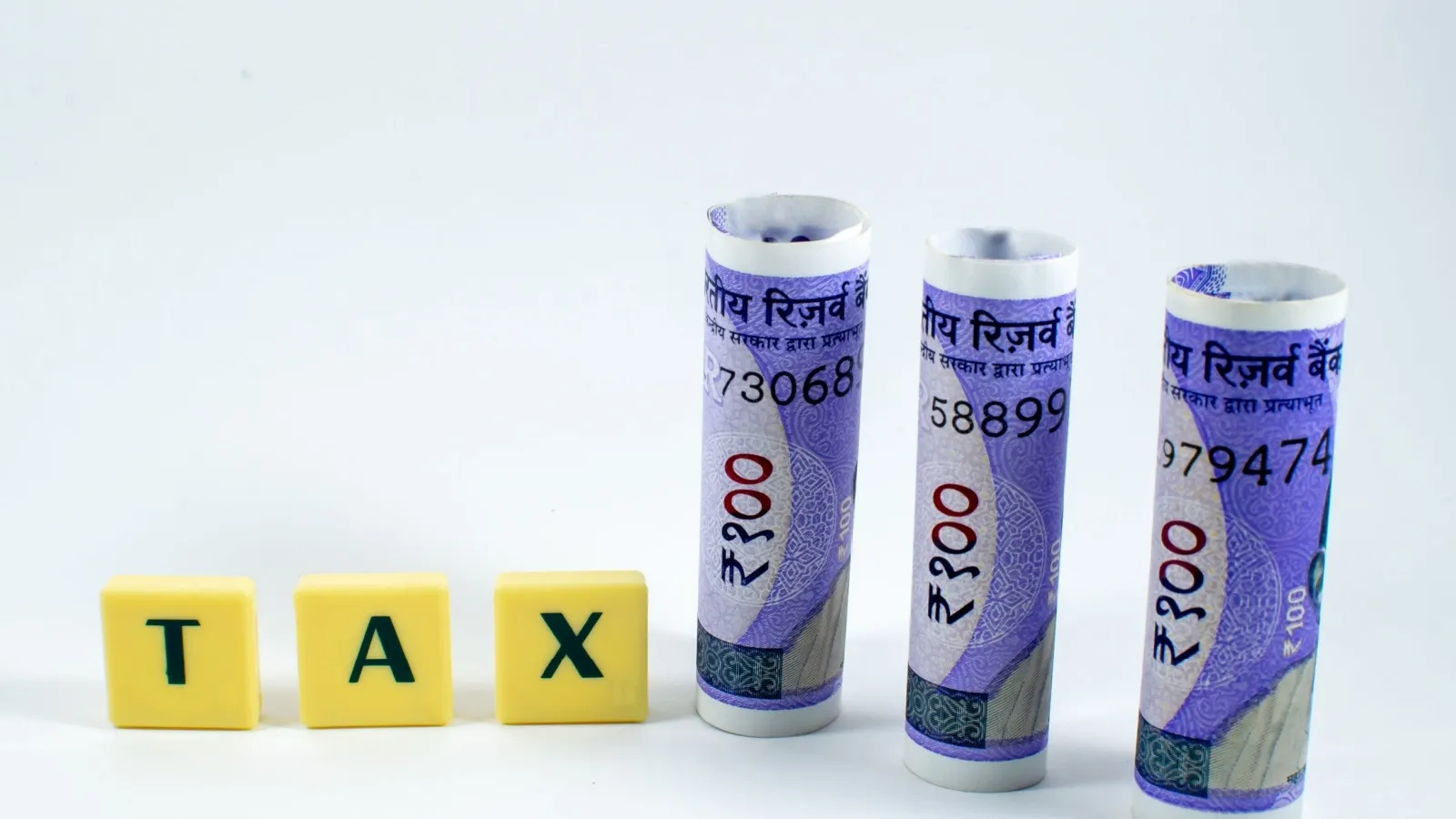
The Income Tax Department has notified the Foreign Assets of Small Taxpayers-Disclosure Scheme (FAST-DS). | Image: Shutterstock.
For undisclosed foreign assets or income, taxpayers will pay a 30% tax plus an additional amount equal to the tax, resulting in an effective levy of 60%. For certain foreign assets already offered to tax or acquired while the taxpayer was a non-resident but not reported in the return, a ₹1 lakh fee applies, subject to the prescribed threshold.
FAQs on Foreign Assets of Small Taxpayers-Disclosure Scheme (FAST-DS)
It is a one-time voluntary disclosure scheme contained in Chapter IV (sections 130 to 144) of the Finance Act, 2026. It enables eligible taxpayers to declare certain undisclosed foreign assets, undisclosed foreign income, or undeclared foreign assets, on payment of a specified tax or fee.
The valuation date is 31st March, 2026. The fair market value of assets proposed to be declared must be computed as on this date.
An assessee is eligible if he is resident in India in the relevant previous year. A non-resident or RNOR may also be eligible if he was resident in India in the year to which the undisclosed income relates or in the year in which the undisclosed asset was acquired.
A declaration may be made where the assessee:
(a) has failed to furnish a return under section 139 of the Income-tax Act, 1961; or
(b) has failed to disclose the asset or income in a return furnished before the Scheme commenced; or
(c) such asset or income has escaped assessment within the meaning of section 147 of the Income-tax Act, 1961.
There are two broad categories:
(a) an undisclosed asset located outside India or undisclosed foreign income which was not offered to tax; and
(b) an asset located outside India which was already offered to tax or was acquired when the assessee was a non-resident, but was not declared in the relevant Schedule of the return.
The aggregate value of the undisclosed asset located outside India and undisclosed foreign income must not exceed ₹1 crore.
The aggregate value of the assets located outside India must not exceed ₹5 crore.
The total amount payable is 30% tax on the value of the undisclosed foreign asset or income, plus an additional amount equal to the tax paid.
A flat fee of ₹1 lakh, provided the aggregate value of the assets located outside India does not exceed ₹5 crore.
If the value of the assets is more than ₹5 crore, the assessee will not be eligible to avail the Scheme.
All values are to be reported in Indian Rupees. Foreign currency is converted into Indian Rupees in accordance with the prescribed RBI reference rate and the rules for currency conversion.
For assets other than a bank account, a variance not exceeding 20% of the fair market value declared will not, by itself, render the declaration invalid or void on the ground of misrepresentation, suppression of facts, or furnishing of false particulars. [Rule 5(2)]
The declaration is to be filed electronically in Form 1 to the prescribed income-tax authority.
Yes. The relevant parts of Form 1 and its Annexure provide for entries to be repeated as required for multiple assets or income items.
Yes. Form 1 requires documents evidencing acquisition of the asset or earning of the income and, where applicable, a valuation report.
Immunity is provided from any further tax or penalty and from prosecution under the Black Money Act, 2015, in respect of the income or asset declared. The declared income or amount invested in the declared asset will also not be included in the total income of the taxpayer under the Income-tax Act, 1961 or the Black Money Act, 2015.
Where assessment proceedings under the Income-tax Act, 1961 or the Black Money Act, 2015 are pending in respect of the declared income or asset, the Assessing Officer is required to take the declaration into account while finalising the assessment order.
The Scheme does not apply in respect of:
(a) any income or asset which directly or indirectly represents proceeds of crime in respect of which proceedings have been initiated, or are pending, under the Prevention of Money-laundering Act, 2002; or
(b) any income or asset relating to an assessment year for which assessment proceedings have already been completed under the Black Money Act, 2015.
Related News


About The Author
Next Story

