
Personal Finance News
Silver ETFs returned 98% in a year, but you may have made only 18%. Here's why

4 min read | Updated on September 22, 2026, 09:57 IST


SUMMARY
Investment lessons from Silver ETF rally: When most of the money enters at the top, even a 98% bull market can hand the crowd just a fraction of it, leaving the latest arrivals under water. Thus, the price paid, not the asset chosen, ends up deciding the return.
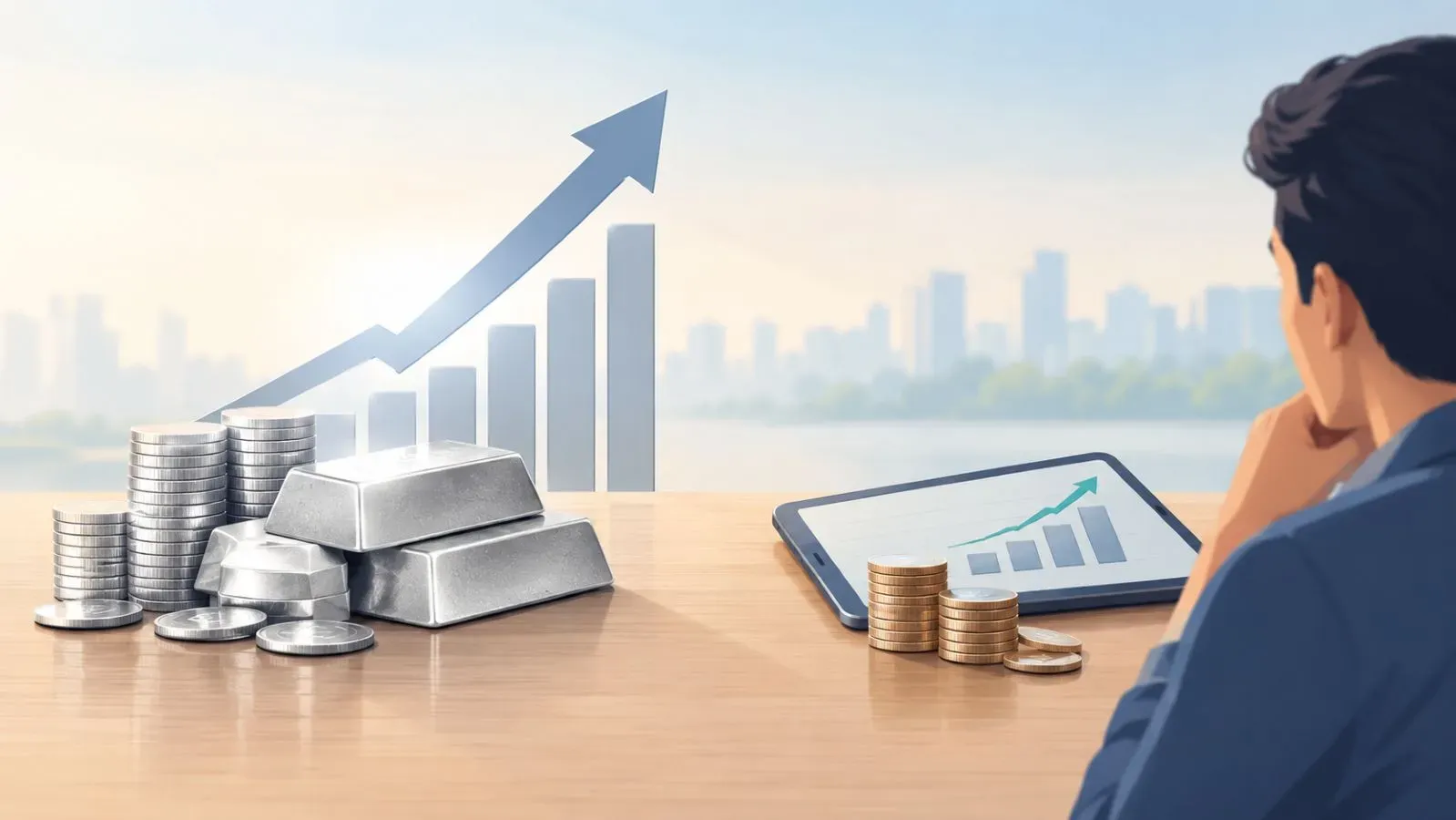
Silver ETF buyers of January 2026 simply arrived after the run that made it famous. | Representational image
During the one year period ending July 31, 2026, silver handed investors one of its biggest bull markets in recent memory. The metal returned 98% in the year. Yet the average silver ETF investor earned only 18% on the money they put in. More than half of that money is currently sitting on a loss.
"Silver's return over the last 1 year is 98%. The average investor actually made only 18% (money-weighted return) in last 1 year versus 98% the market had to offer. In fact, of the money invested in the last 12 months 56% is sitting on a loss," the report said.
As per the report, January 2026 saw ₹11,761 crore flow into silver ETFs in a single month. This was the biggest monthly inflow on record The report noted that this money "landed at the monthly price peak". That one month of buying was equivalent to the entire cumulative inflows seen from September 2024 to August 2025, a period in which prices were below ₹1.41 lakh per kg. As the report puts it, investor demand became strongly pro-cyclical: the higher silver went, the more money chased it.
| Measure | Value |
|---|---|
| Silver return (Aug 2025 to Jul 2026) | 98% |
| Investor money-weighted return on silver ETF flows | 18% |
| Share of past year's invested money sitting on a loss | 56% |
| Biggest single-month inflow (Jan 2026) | Rs 11,761 crore |
| Period when prices were below Rs 1.41 lakh | Sep 2024 to Aug 2025 |
FOMO at work
"Investors usually think FOMO makes them buy the wrong asset. The bigger risk is that FOMO makes them buy the right asset after most of the return has already happened," the report said.
Silver was the right asset. But the buyers of January 2026 simply arrived after the run that made it famous.
The report also noted the underlying trap, saying, "FOMO converts past returns into future expectations. Unfortunately, the price you pay determines the return you get."
Silver is not an isolated case. The same report shows that several mutual fund categories have also repeatedly delivered wide gaps between what funds earned and what investors in them actually made, because money piled in after rallies and left after crashes.
| Category | Period | Fund return | Investor return | Gap |
|---|---|---|---|---|
| Infrastructure funds | Jun 2004 to May 2009 | 33.8% | 6.2% | -27.6% |
| Small cap funds | Mar 2013 to Jun 2020 | 14.8% | -1.6% | -16.4% |
| Momentum funds | Mar 2021 to Jul 2026 | 15.1% | 3.2% | -11.9% |
| Technology funds | Jul 2019 to Jul 2026 | 17.0% | 7.6% | -9.4% |
Infrastructure funds compounded at 33.8% during their boom years, but the average investor in the category made 6.2%. Small cap funds returned 14.8% over their study period while the average investor lost 1.6% annually.
For investors watching silver's next rally, or any other asset's rally, the report offers an important takeaway. A fund's return assumes a rupee invested at the start and untouched through the end. An investor's return depends on when their money actually entered. When most of the money enters at the top, even a 98% bull market can hand the crowd just a fraction of it, and leave the latest arrivals under water. Thus, the price paid, not the asset chosen, ends up deciding the return.
Related News


About The Author
Next Story

