
Personal Finance News
"Transfer bank deposits and other savings": How scammers tricked a retired income tax officer out of ₹51 lakh

4 min read | Updated on August 20, 2026, 07:40 IST


SUMMARY
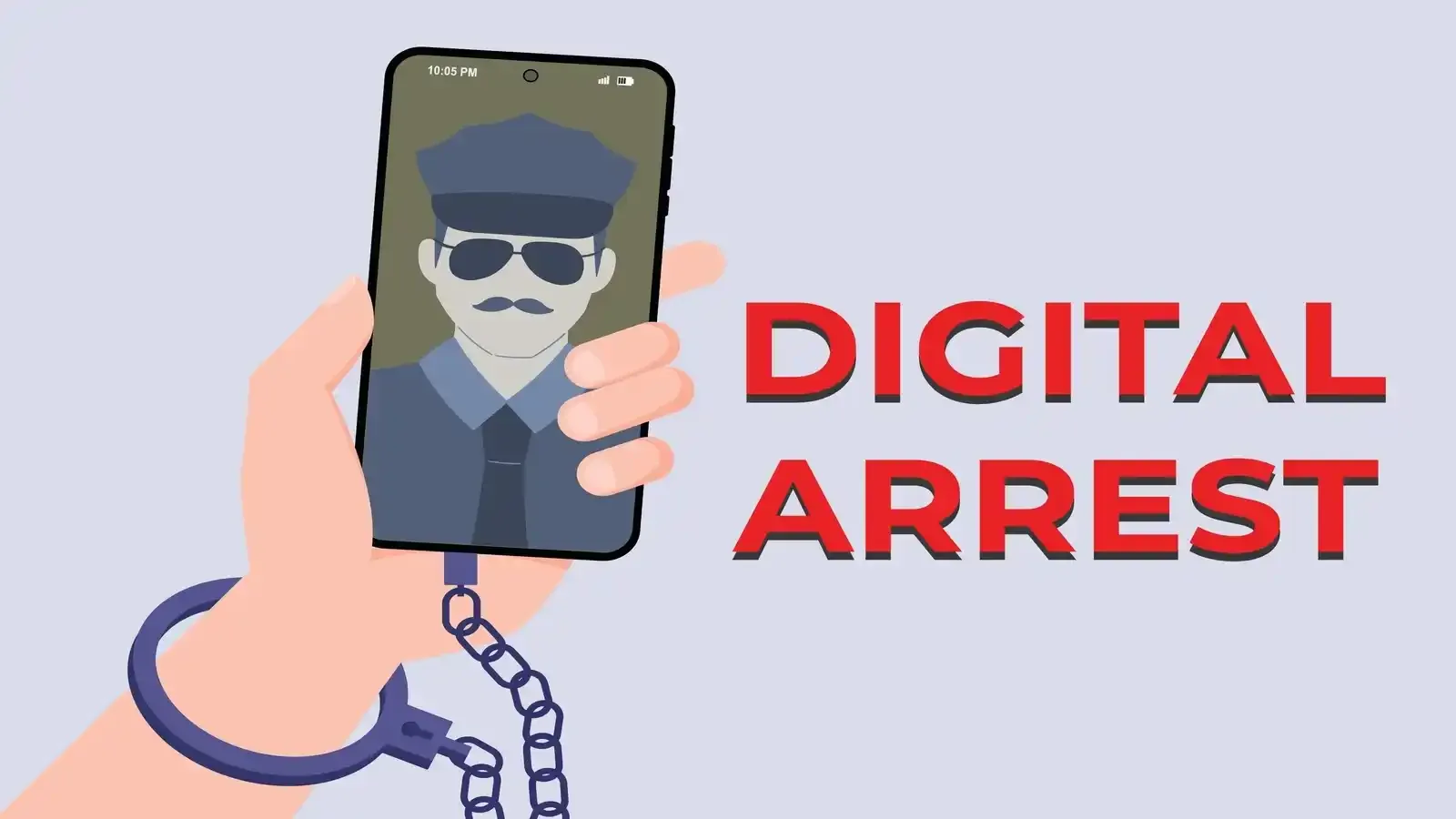
The scammers used fake police identities, threats of arrest and a “digital arrest” to convince the retired officer to move his savings. Here are the warning signs to watch for.

An unexpected call claiming that you are facing arrest should be treated with caution, particularly when the caller demands immediate action.
A retired income tax officer in Mumbai lost ₹51 lakh after fraudsters posing as police officers allegedly convinced him that he was involved in a money-laundering case and needed to transfer his savings as part of an investigation, news agency PTI reported.
According to the FIR, the retired officer received a video call from a man who introduced himself as a senior officer from the Lucknow Police. The caller allegedly told him that a bank account had been opened using his documents and that transactions involving lakhs of rupees linked to money laundering had taken place through it, PTI reported.
The victim told the caller that he had never visited Lucknow and did not have an account there. He was then allegedly contacted by two other men posing as a police inspector and the Director General of Police.
The men told him that a case had been registered against him and that he could face at least 10 years in prison.
The pressure appears to have worked. The fraudsters allegedly sent him fake government documents, asked for his bank-account details and told him to transfer his deposits and other savings to an account they provided until the investigation was completed.
Fearing arrest, the retired I-T officer followed their instructions.
"The fraudsters allegedly sent him fake government documents and sought details of his bank accounts. They told him that, until the inquiry was completed, he needed to transfer his bank deposits and other savings to a bank account," police said, PTI quoted.
The complainant transferred around ₹51 lakh in instalments to a bank account provided by the fraudsters. However, no further questioning took place.
He later realised that he had been cheated and approached the Cyber Cell of Mumbai Police's North Regional Division.
Police subsequently arrested Mohammed Safwan Abdul Hameed, who allegedly provided bank accounts to cyber fraudsters to facilitate the transactions. Police said some of the money taken from the retired officer had also been transferred into an account linked to Hameed.
Five red flags in the case
The first warning sign was the claim that the retired officer was facing a serious criminal case and could be sent to prison for years.
An unexpected call claiming that you are facing arrest should be treated with caution, particularly when the caller demands immediate action.
The victim was allegedly contacted by three people who presented themselves as police officials, including a person claiming to be the DGP.
The fraudsters allegedly instructed the retired officer not to discuss the matter with anyone.
This is an important warning sign. Scammers benefit when victims are isolated and cannot get a second opinion from family members, their bank or another trusted person.
The fraudsters allegedly sent fake documents and asked the victim for details of his bank accounts.
No one should share banking credentials, OTPs, passwords or other sensitive information simply because a caller claims to be investigating a crime.
The fraudsters allegedly told him to move his deposits and savings to an account they provided until the investigation was completed.
A request to move money for “verification”, an investigation or “security” should be treated as a major red flag.
The case shows how a scam can move from a phone call to a major financial loss within a short period. For anyone receiving a similar call, the important thing is not to act in hurry. Do not transfer money to an account provided by an unknown caller. Do not share banking details or OTPs.
Related News
About The Author
Next Story

