
Personal Finance News
RBI announces 2026 BSBD rules: Zero-balance accounts with expanded free services. Full list here
.png)
3 min read | Updated on December 05, 2025, 08:47 IST


SUMMARY
The move follows a detailed review of the existing norms and public feedback on the draft Basic Savings Bank Deposit Account Directions, 2025, published on October 1, 2025.
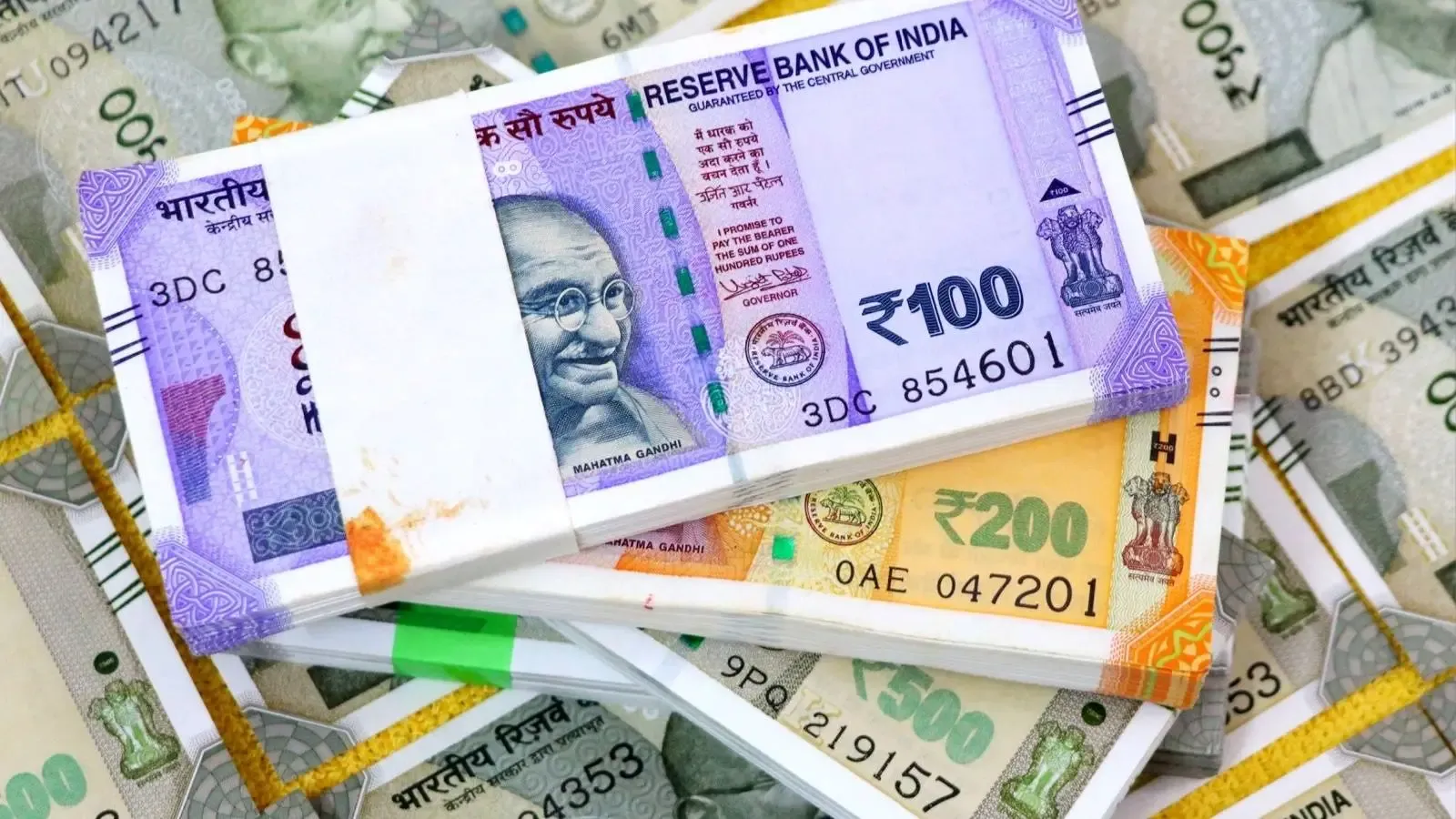
The amended Directions will come into force on April 1, 2026, or on the date a payments bank adopts them, whichever is earlier, the central bank said. | Image: Shutterstock
The Reserve Bank of India (RBI) has announced a comprehensive set of seven Amendment Directions revising the regulatory framework for Basic Savings Bank Deposit (BSBD) accounts across all banking categories.
Basic Savings Bank Deposit (BSBD) account
The Basic Savings Bank Deposit (BSBD) account was introduced as a savings bank account which offers certain minimum facilities, free of charge, to the holders of such accounts with an objective of deepening financial inclusion.
The central bank said feedback received from stakeholders had been examined and incorporated into the finalised framework.
Seven amendments directions issued
To implement the revised BSBD norms, the RBI issued amendments applicable to commercial banks, small finance banks, payments banks, local area banks, regional rural banks, urban co-operative banks, and rural co-operative banks. These amendments fall under the broader Responsible Business Conduct framework and are aimed at enhancing affordability, boosting usage of BSBD accounts, and improving customer service.
Key features of revised BSBD account norms
Under the updated guidelines, every bank must continue to offer a BSBD account as a standard savings product with no minimum balance requirement and a set of free basic facilities, including:
-
Free deposit of cash and unlimited deposits through any channel
-
Free ATM or ATM-cum-debit card with zero annual charges
-
A cheque book with at least 25 leaves a year
-
Internet and mobile banking
-
Free passbook or monthly account statements
-
Minimum four free withdrawals per month, including ATM and transfer transactions
-
Digital payments such as UPI, NEFT, RTGS, IMPS and PoS transactions will not count toward the monthly withdrawal limit.
Banks cannot compel customers to opt for ATM cards, cheque books, or digital banking services; these will be provided only on request. Existing BSBD account holders may also claim newly introduced free services through physical or digital channels.
While banks may offer additional facilities to BSBD customers, such services must be provided transparently, without discrimination, and without imposing any minimum balance condition.
KYC, conversion and account restrictions
Customers may convert their existing savings bank accounts into BSBD accounts, and banks must process such requests within seven days, also enabling the option through digital channels. However, customers are prohibited from holding more than one BSBD account across all banks, and banks must obtain a declaration confirming this before opening a new BSBD account.
Banks have also been directed to publicise the features of the BSBD account and clearly explain how it differs from other savings account variants.
When will this be implemented?
The RBI has encouraged payments banks to implement the revised framework at the earliest. The amended Directions will come into force on April 1, 2026, or on the date a payments bank adopts them, whichever is earlier, the central bank said.
Related News
About The Author
Next Story



