
Personal Finance News
Dearness allowance calculation: How much extra DA and arrears will employees get at each 7th CPC pay level?

4 min read | Updated on October 30, 2026, 12:27 IST

SUMMARY
Dearness allowance is a percentage of whatever basic pay an employee actually draws. So, anyone who has moved up the increments within a level, or whose pay was fixed higher on promotion, will receive proportionately more.

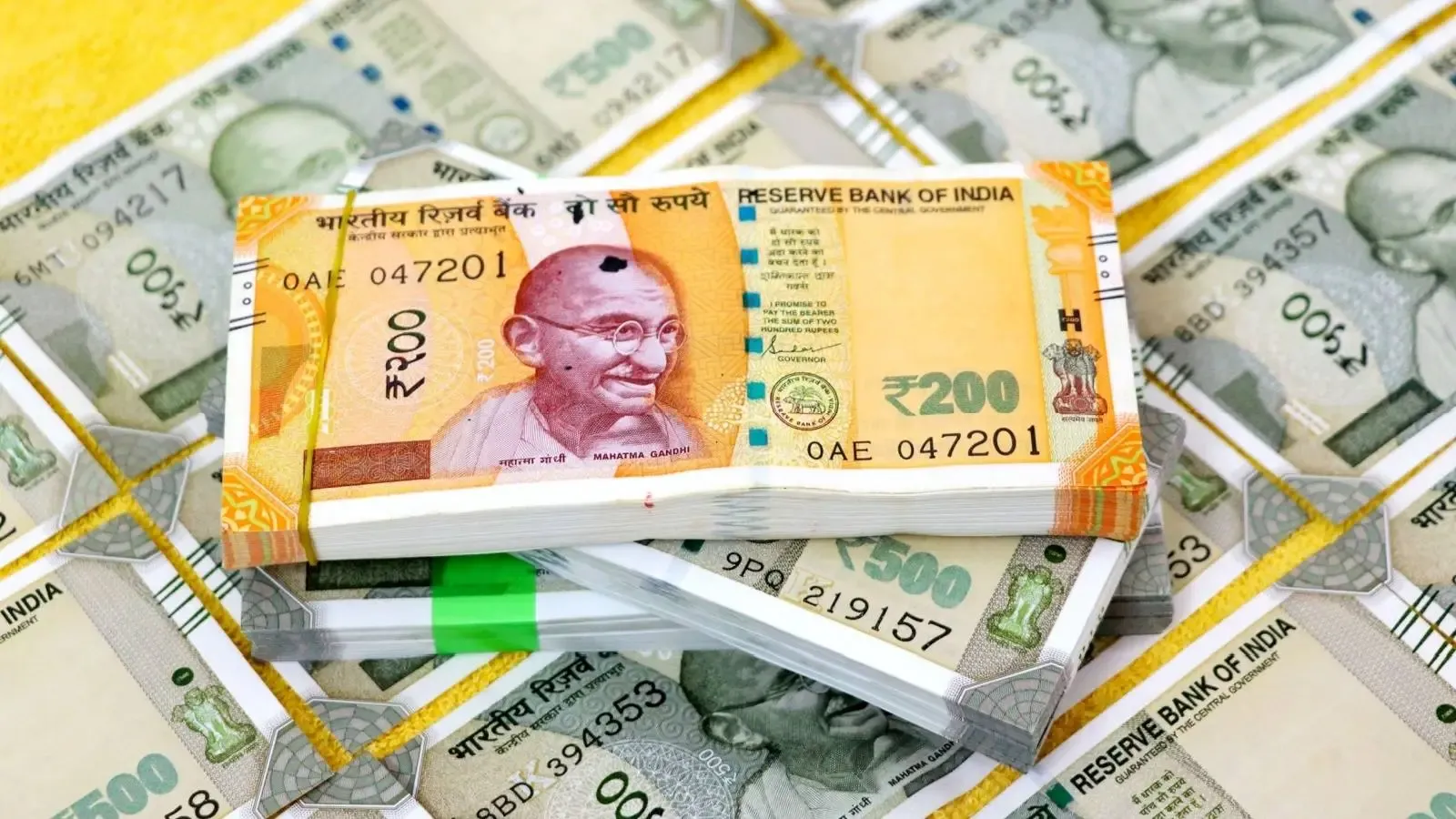
At the bottom of the matrix, the DA hike amounts are modest. | Image: Shutterstock
DA stood at 60% from January 1, 2026, so every employee stands to gain 3% of basic pay for each month from July onward. This gives two separate amounts in the October payslip:
-
The first is the extra DA for October itself, which is 3% of basic pay.
-
The second is arrears for July, August and September, each month carrying the same 3% differential, which works out to 9% of basic pay in total.
Put together, an employee will receive 12% of one month's basic pay as the incremental amount due to the recent DA hike announcement. The table below shows DA calculation at the entry-level basic pay of the 18 pay levels in the 7th Pay Commission pay matrix. (The entry pay figures are based on 7th CPC report).
| Level | Entry Basic Pay (₹) | Extra DA for October (₹) | Arrears, Jul-Sep (₹) | Total Extra in October (₹) |
|---|---|---|---|---|
| 1 | 18,000 | 540 | 1,620 | 2,160 |
| 2 | 19,900 | 597 | 1,791 | 2,388 |
| 3 | 21,700 | 651 | 1,953 | 2,604 |
| 4 | 25,500 | 765 | 2,295 | 3,060 |
| 5 | 29,200 | 876 | 2,628 | 3,504 |
| 6 | 35,400 | 1,062 | 3,186 | 4,248 |
| 7 | 44,900 | 1,347 | 4,041 | 5,388 |
| 8 | 47,600 | 1,428 | 4,284 | 5,712 |
| 9 | 53,100 | 1,593 | 4,779 | 6,372 |
| 10 | 56,100 | 1,683 | 5,049 | 6,732 |
| 11 | 67,700 | 2,031 | 6,093 | 8,124 |
| 12 | 78,800 | 2,364 | 7,092 | 9,456 |
| 13 | 1,18,500 | 3,555 | 10,665 | 14,220 |
| 13A | 1,31,100 | 3,933 | 11,799 | 15,732 |
| 14 | 1,44,200 | 4,326 | 12,978 | 17,304 |
| 15 | 1,82,200 | 5,466 | 16,398 | 21,864 |
| 16 | 2,05,400 | 6,162 | 18,486 | 24,648 |
| 17 | 2,25,000 | 6,750 | 20,250 | 27,000 |
| 18 | 2,50,000 | 7,500 | 22,500 | 30,000 |
Please note the above are entry-level figures. Dearness allowance is a percentage of whatever basic pay an employee actually draws. So, anyone who has moved up the increments within a level, or whose pay was fixed higher on promotion, will receive proportionately more.
For instance, a Level 7 employee at the entry cell of ₹44,900 gets ₹1,347 as the extra October DA and ₹4,041 in arrears, a total of ₹5,388. However, his colleague with several increments higher in the same level would get more. At the bottom of the matrix the amounts are modest. A Level 1 employee at the entry pay of ₹18,000 will receive ₹540 as the extra DA and ₹1,620 in arrears, which ₹2,160 in total. At the top, a Level 18 officer at ₹2,50,000 will receive ₹7,500 and ₹22,500 respectively, or ₹30,000 in total.
The calculation above covers dearness allowance on basic pay only. Any other allowance index to DA would result in a higher amount on that count. For instance, transport allowance is separately indexed to DA. So a further small amount will accrues on that head as well and vary at each pay level.
Further, the table above is just an illustration rather than a forecast of actual in-hand pay increase due to DA hike. It shows what the 3% differential is worth at each level before any of those deductions and before the separate DA accruals on transport allowance. The final in-hand amount may vary from employee to employee for exactly these reasons.
Two further points are worth noting here. The 63% rate itself is the figure that follows from the 7th CPC formula applied to the consumer price index. Employees will recall that the while instalment had been expected to be notified earlier in the year; the October salary is where it should now surface with arrears for July to September. And this could be the last DA revision before the 8th Central Pay Commission's recommendations take over. When that happens, the accumulated 63% may be folded into the revised basic pay and the allowance may restart at zero.
Related News

About The Author
Next Story

