
Personal Finance News
CRIF flags rising defaults on 'Aspirational' loans: How borrowers can avoid the small-ticket debt trap

4 min read | Updated on November 18, 2026, 18:55 IST

SUMMARY
The report showed that loans within the aspirational category such as consumer durable loans, personal loans and two wheeler loans made up 30.7%, 12.5% and 5.2% respectively of new to credit accounts in Q2FY27
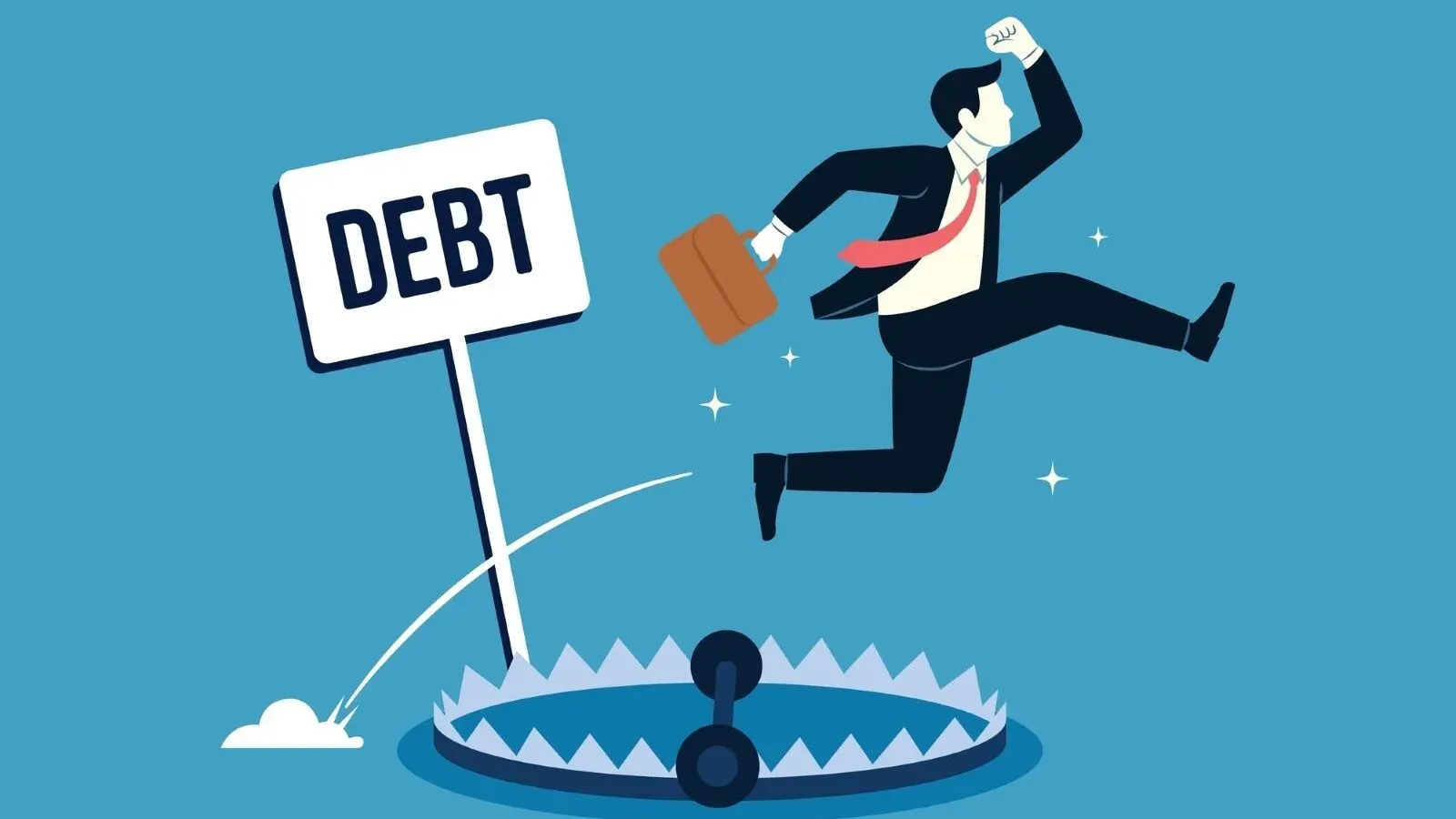
Monitoring the CIBIL score periodically, can also help borrowers in managing their credit better. | Image: Shutterstock
Indians are increasingly opting to fulfill their dreams with formal lending options. According to the How India Lends Credit Report by the Center for Research in International Finance (CRIF), the retail lending book of lending institutions in India grew to ₹185.2 lakh crore in Q2FY27.
Notably the loan-book witnessed a growth of 18.8% year-on-year (YoY) and 3.7% quarter-on-quarter (QoQ). This in turn indicates that the retail borrowing landscape is increasingly becoming formalised and more and more people are choosing to take loans from banks and non-banking financial companies (NBFCs).
A bulk of this financialisation is being driven by select loan categories which are directly linked to economic aspirations such as vehicle ownership, the purchase of white goods and personal loans. The report showed that consumer durable loans, personal loans and two wheeler loans made up 30.7%, 12.5% and 5.2% respectively of new to credit accounts in Q2FY27. Cumulatively these categories make up roughly half of the total NTC book at 48.4%.
However, even as India turns to formal lending for financing its aspirations, the report shows that these exact categories are witnessing a rise in credit delinquencies or defaults. Notably, the rise in defaults in the aspirational loan segments comes at a time when overall credit delinquencies have decreased from 2.9% in Q1FY27 to 2.6% in Q2FY27.
Segment wise, defaults on consumer durable loans grew to 1.8% in Q2FY27 from 1.6% in the preceding quarter. On the other hand, defaults in two wheeler loans grew to 4.1% in Q2FY27 from 4% in Q1FY27. Personal loan defaults also witnessed a sequential growth as they expanded to 2.4% from 2.3% in the previous quarter.
As financial stress builds in these categories CRIF also explicitly notes that the increase in delinquencies underscores the need for stronger risk monitoring and a calibrated approach to growth.
“While overall delinquencies improved, certain products-particularly consumer durable loans, tractor loans, and gold loans-registered increases in PAR 31-180 (QoQ), underscoring the need for stronger risk monitoring and a calibrated approach to growth,” CRIF said.
While CRIF has pointed out the need for regulatory reform, for the borrowers, this trend indicates that increasingly the loans taken to finance dreams are turning into debt traps.
To ensure that an entry-level loan remains a tool for building wealth and the achievement of one’s aspirations, borrowers must take proactive steps to manage their unsecured liabilities. Here’s a look at some of the key measures which they can adopt to reduce their chances of defaulting on a loan:
Borrowers can consider automating micro-payments as missing even a tiny ₹1,500 EMI on a washing machine can harm their credit profile. Mandating auto-debit for small ticket loans such as personal loans, two wheeler loans and consumer durable loans, can aid in ensuring that the money is paid on time and the borrower does not need to specifically track the same.
Monitoring the CIBIL score periodically, can also help borrowers in managing their credit better. Financial experts generally suggest that borrowers should check their credit reports at least twice a year to ensure that closed consumer durable or two-wheeler loans are accurately marked as "closed" preventing lingering ghost debt from reducing their credit score
Related News
About The Author
Next Story

