
Personal Finance News
Cash is back: 5 reasons people are using more currency notes in FY2026

4 min read | Updated on February 17, 2026, 13:18 IST


SUMMARY
The currency in circulation has increased YoY. SBI Research says that with the rising gold and silver prices, there could have been rising currency in circulation through recycling of gold/silver from households.
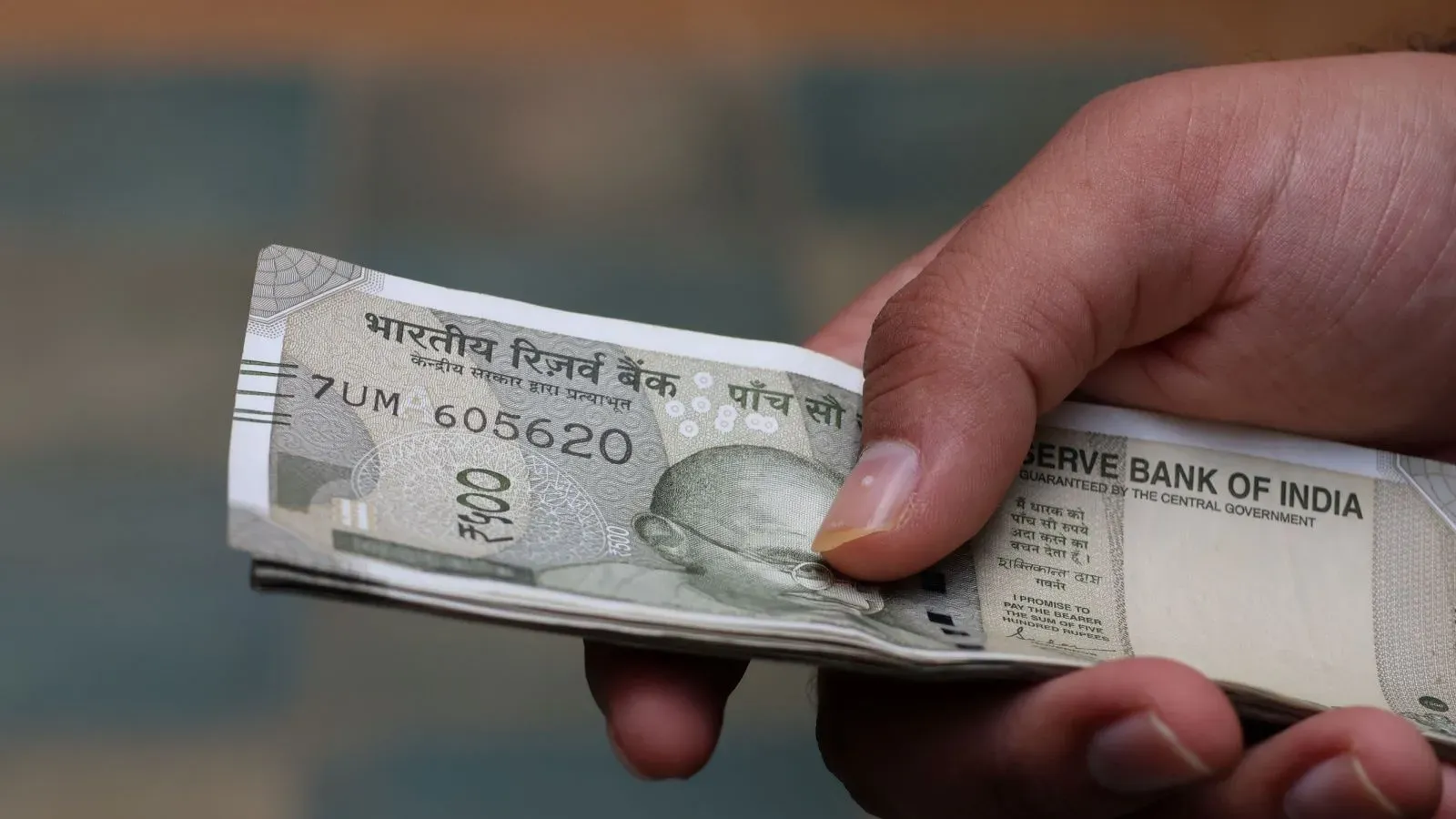
Cash in circulation has increased in FY 2026. | Image source: Shutterstock
Cash is back in trend, even as UPI transactions are also increasing. More people are withdrawing and using cash for transactions in FY2026 than a year ago. Here are some data from a recent report by SBI Research that may surprise you:
-
The cash or currency in circulation (CIC) reached an all-time high for the fortnight ended January 31, 2026.
-
Currency worth around ₹40 lakh crore was in circulation by January end, witnessing a YoY growth of 11%. The YoY increase in the last year was 5.3%.
-
The currency with public (CWP), which constitutes 97.6% of the CiC, reached an all-time high of ₹39 lakh crore for the fortnight ended January 31, 2026, witnessing a YoY increase of 11.5% vis-a-vis 5.4% YoY last year.
-
On YTD basis, the CWP increased by ₹2.79 lakh crore (7.6%) during Apr 2025 to 31 Jan 2026, compared to last year's YTD growth of only ₹93,326 crore (2.7%) during the corresponding period.
-
Going by the current trend, CWP may surpass the FY21 incremental growth of ₹4.6 lakh crore during the post-COVID-19 pandemic period in FY26.
Both currency in circulation and currency with public have been increasing since October 2025. But why is this happening now? The report provides some possible reasons:
1. Rising gold and silver prices
The report says that with the rising gold and silver prices, "there could have been rising currency in circulation through recycling of gold/silver from households."
It further says that households have found the recent surge in prices to cash out some holdings, leading to the rise of cash in circulation in the economy. Such moves have been aided by cuts in GST and income taxes, both acting as incentives to boost household consumption
2. GST notices
SBI Research notes that nearly 18,000 GST demand notices based on UPI transactions were issued in Karnataka in the second half of July 2025. "This news may have pulled back UPI transactions not only in Karnataka but in certain other states also through signaling impact."
They tested the impact of GST notices on ATM transactions in five states, including Karnataka, West Bengal, Kerala, Bihar, and Chhattisgarh. They found significantly higher ATM withdrawals in Karnataka, West Bengal, and Kerala, but an insignificant increase in Bihar and Chhattisgarh.
3. Lower interest rates and tax cuts
The report says that the motive to hold cash has jumped, especially in rural areas, due to low interest rates and the penchant for consumption. The bank deposits growth remained sluggish during the current FY and grew by 10.6% as of Jan 2026 end.
A lower interest rate is also resulting in higher demand for cash. Further, direct and indirect tax cuts have also resulted in higher consumption in urban areas.
4. Currency growth is following economic growth
India's nominal GDP is projected to grow by 8.0% in the financial year 2025-26 (FY26) to ₹357.14 lakh crore. The report says the rising cash in circulation is also linked to the nominal growth of the overall economy.
"Generally, the number of pieces (notes) to be printed is generally calculated by taking nominal GDP growth projections, plus replacement of soiled notes and accounting for seasonal demands," the report says.
5. Low-denomination notes are rising
The report says that India’s currency is mostly dominated by notes in value terms, with a significant share of 98.99%, while 0.98% in coins and 0.03% in e₹
"During the last 3-years (2023 to 2025), the small notes share in Volume (no of pieces) has declined by 4.1% to 32.4%, while the notes of ₹50/100 has increased by 1.5%...The ₹200 & Rs 500 notes has increased by 4.0%."
Further, the RBI has directed banks to increase ₹100/200 denomination notes in ATMs and ensure that 96% of the ATMs should dispense 100/200 notes by end-March 2026. "With this, it is expected that RBI will supply more 100/200 notes to the bank branches through currency chests to meet the public demand."
Related News


About The Author
Next Story



