Personal Finance News
Budget 2026 expectations for homeowners and tenants: Tax relief to affordable housing

5 min read | Updated on January 28, 2026, 17:13 IST


SUMMARY
The American Chambers of Commerce in India (AMCHAM) and the Bombay Chambers of Commerce and Industry (BCCI) have suggested that the government either increase the deduction limit to ₹5 lakh or remove the restriction on the set-off of house property loss.
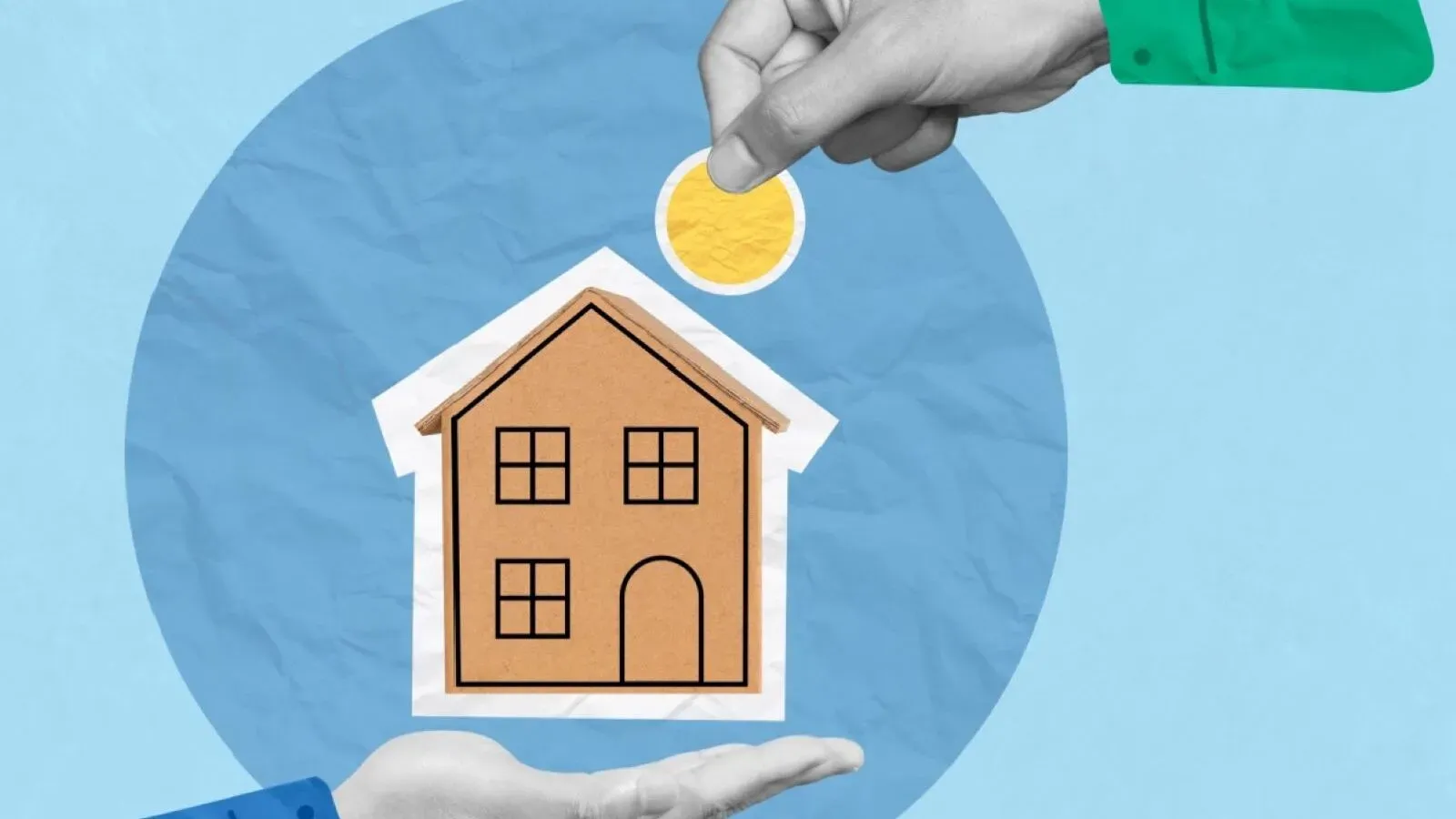
Experts want a 100% tax exemption on rental income up to ₹3 lakh for homes up to ₹50 lakh.
As the Indian government gears up for the Union Budget 2026-27, homeowners, tenants and aspiring homebuyers are watching closely to see what the budget will have in store for the real estate sector.
Here are some key reforms expected from Budget 2026 for the real estate sector:
Affordable housing through tax reforms
Experts and industry bodies are urging the government to:
Provide a home loan interest deduction under the new tax regime Increase the deduction allowed under the regimes (both old and new) to ₹5 lakh
Remember that loss may arise from interest on home loans even if the house is self-occupied.
Currently, the government limits (up to ₹2 lakh) how much of that loss you can use to reduce your other income, but experts want the government to remove this restriction.
Experts from the Federation of Indian Petroleum Industry (FIPI), in their pre-budget memorandum for 2026, said that the ₹2 lakh limit is inadequate, considering the rising prices of properties in the country.
The American Chambers of Commerce in India (AMCHAM) and the Bombay Chambers of Commerce and Industry (BCCI) have also suggested that the government either increase the deduction limit to ₹5 lakh or remove the restriction on the set-off of house property loss.
Other structural support reforms, like faster approvals for developers and better access to institutional credit, can strengthen the real estate sector, providing the much-needed relief.
Some other key expectations:
- Tax holiday for rental projects
- Support the use of surplus government urban land for high-density, long-term rental housing
- Expansion of HRA benefits, especially under the new regime
- Higher standard deduction, balanced tax regimes to help deal with rising housing costs
Redefine affordable housing
Experts want the government to redefine the definition of affordable housing in India, which currently covers houses under ₹45 lakh.
“Raising the price cap to ₹75-85 lakh while keeping the carpet area norms at 60-90 square meters would increase the number of homes that could be built from about 18% of current launches to more than 40%,” Puri said.
However, experts also warn that redefining affordable housing shouldn’t result in the creation of luxury loopholes. The redefinition should be done with the aim of making housing affordable for first-time, middle-class homebuyers by offering tax benefits and subsidised financing.
According to ANAROCK Research, homes under ₹50 lakh accounted for over 50% of launches in 2018. By 2025, that share fell to 17%. While affordable housing had a share of 38% in 2019, it fell to 18% in 2025.
Moreover, urban housing has a shortage of nearly 9.4 million homes in India, which could increase to 30 million by 2030, as per Chairman Anuj Puri.
Related News



By signing up you agree to Upstox’s Terms & Conditions

About The Author
Next Story