
Personal Finance News
8th Pay Commission arrears: Salary dues for 15 months expected; how the 7th and 6th CPCs paid
.png)
3 min read | Updated on January 17, 2026, 20:48 IST


SUMMARY
8th CPC arrears news: The delayed implementation of the 8th Pay Commission will lead to sizeable arrears, leading to a large fiscal impact in the FY2028 Budget, according to ICRA.
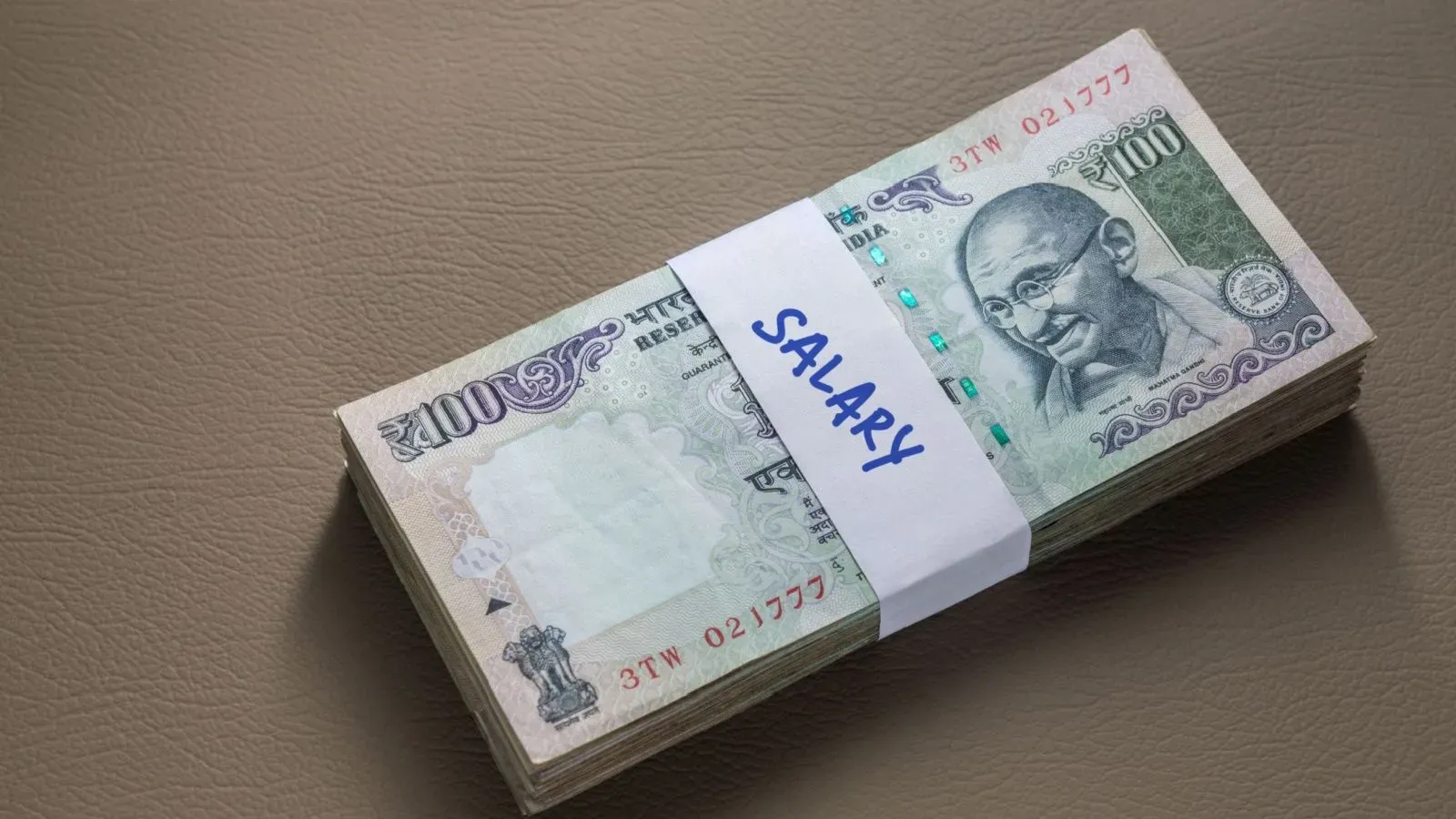
The 6th Pay Commission implementation led to over 2.5 years of arrears. | Image source: Shutterstock
8th Pay Commission salary arrears news: The central government may pay salary arrears for up to 15 months after the implementation of the 8th Central Pay Commission (CPC) recommendations in FY2028, according to ICRA.
"The GoI’s expenditure on salaries* is expected to jump in FY2028 on account of the 8th CPC, which would be implemented retrospectively from January 1, 2026, thereby entailing a build-up of arrears for 15 months. This would undoubtably increase the GoI’s committed expenditure burden in that fiscal and in FY2029," ICRA said.
| Pay commission | Arrears paid |
|---|---|
| 8th Pay Commission | 15 months (expected) |
| 7th Pay Commission | 6 months |
| 6th Pay Commission | Over 2.5 years |
ICRA further said that the delayed implementation of 8th CPC will lead to sizeable arrears, leading to a large fiscal impact in the FY2028 Budget.
"Given that the delayed implementation of the 8th CPC would lead to sizeable arrears, the fiscal impact of the same on the FY2028 Budget would be quite large, with a 40-50% expansion in the expenditure on salaries. This would constrain the fiscal space for discretionary expenditure, including capex, in FY2028, and perhaps, in FY2029," ICRA said.
How the 7th and 6th CPC paid arrears
The 7th Pay Commission was implemented in FY2017 with arrears of just six months.
However, the payment of arrears pushed up the Government of India's salary bill by 20.4% to ₹1.8 trillion in that fiscal from ₹1.5 trillion in FY2016, according to ICRA.
The government's expenditure on salaries amounted to 18.6% of non-interest non-subsidy revenue expenditure in FY2017, which was highest in 15 years.
During 6th Pay Commission, the government paid arrears for over 2.5 years in two instalments.
In the first instalment, the government paid 40% arrears in FY2009 and the remaining 60% were paid in FY 2010. This happened because the 6th CPC recommendations were supposed to be implemented from January 1, 2006 but it could be implemented only in mid-FY2009, leading to arrears of more than 2.5 years.
"The 6th CPC, which was supposed to be effective from January 1, 2006, was implemented with a larger delay from mid-FY2009, leading to a build-up of arears of more than 2.5 years (for basic pay; revised allowances were effective from September 1, 2008). These arears were paid in two instalments - ~40% in FY2009 and ~60% in FY2010," ICRA said.
The implementation of salary revisions recommended by 6th CPC led to a 60.4% increase in the salary expenditure in FY2009 and further a 31.0% expansion in FY2010. ICRA said that salaries as a proportion of non-interest non-subsidy expenditure increased from 13.0% in FY2008 to 15.6% in FY2009 and further to 17.3% in FY2010.
Related News


About The Author
Next Story



