return to news
  1. Used your credit card abroad to buy property? Lawyers break down the implications and solutions

Personal Finance News

Used your credit card abroad to buy property? Lawyers break down the implications and solutions

rajeev kumar

6 min read | Updated on March 24, 2026, 18:40 IST

Twitter Page
Linkedin Page
Whatsapp Page

SUMMARY

Legal experts say that international credit cards are legally permitted only for current account transactions such as travel, dining, hotels, and retail shopping abroad. They are not allowed for capital account transactions like buying a real estate property.

buying property with credit cards

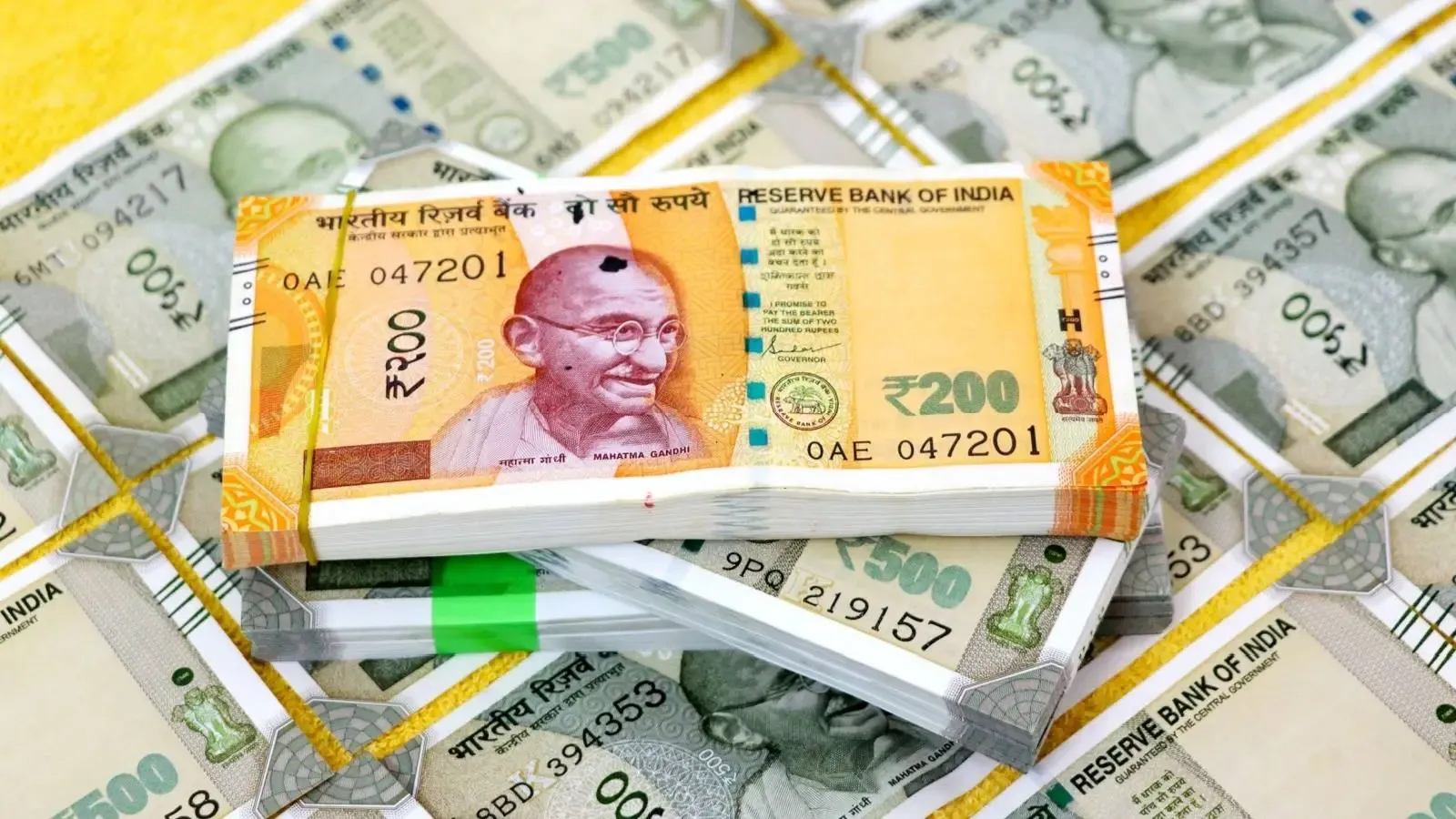
Buying property abroad with Indian credit cards is illegal. | Image source: Shutterstock

Indians who have used their credit cards to purchase residential properties in Dubai are reportedly receiving notices from the Enforcement Directorate. According to an ET report, these users had either swiped their international credit cards to pay the initial deposits during their UAE visit or clicked on payment links sent by developers in Dubai.

Open FREE Demat Account within minutes!
Join now

Many credit card users are unsure whether it is even possible to use credit cards to buy a house abroad, or even in India. And if it is possible, is it legal? We sought comments from multiple lawyers to gain a clearer understanding of the issue. Read on to find out what is allowed, what isn’t, and what should you do if you’ve already made such a payment?

⁠Is it legal to buy properties abroad with Indian credit cards?

While it is legal to buy properties abroad by resident individuals under the Liberalized Remittance Scheme (LRS) limit of USD 2,50,000, doing so with a credit card is not allowed, lawyers say

Akshat Pande, Managing Partner, Alpha Partners: Buying properties by resident individuals outside India is a capital account transaction and is subject to LRS limits and should only be done through a debit to one’s account maintained with an authorised dealer. This also requires compliance to be done at the time of drawal and remittance, which may not be possible while making a credit card payment online.
Raheel Patel, Partner, Gandhi Law Associates: Under the Foreign Exchange Management Act, 1999 and LRS, overseas property purchases are permitted only through authorised banking channels with proper purpose classification and reporting. A credit card swipe may technically work for a booking amount, but it bypasses the intended compliance route for capital account transactions, making it vulnerable to FEMA scrutiny.
Shashank Agarwal, Founder, Legum Solis: As per FEMA regulations, no Indian can simply buy or invest money in an immovable property out of India without the permission of the RBI. Credit Card transactions are essentially loan transactions and do not require permission from the RBI for day-to-day transactions. Thus, transacting to buy a property abroad or investing money in one, through a credit card, is a prohibited transaction.
Tushar Nair, Advocate, Delhi, High Court: Additionally, under the FEMA regulations, persons resident in India are prohibited from borrowing or lending in foreign exchange from or to a person resident in or outside India without the express permission of RBI.
Tusi Kumar, Partner, Singhania & Co: It is strictly illegal under three independently sufficient grounds. International credit cards are legally permitted only for current account transactions such as travel, dining, hotels, and retail shopping abroad. They are not allowed for capital account transactions like buying a real estate property.
Aditya Chopra, Managing Partner, The Victoriam Legalis (TVL): Purchase of immovable assets, including properties, is classified as a capital account transaction under FEMA, and most banks prohibit the use of their credit or debit cards for these transactions.

If someone has already bought a property abroad using credit cards, what implications can he face?

According to legal experts, there could be four implications of buying a property abroad with credit cards:

  • Such transactions violate the RBI's LRS rules.

  • It may lead to an Enforcement Directorate investigation. The ED may issue show-cause notices under Section 16 of FEMA, adjudicate the contravention under Section 13, and impose a penalty of up to three times the foreign exchange amount involved.

  • Violators may face fines up to 120% of the property value under the Black Money (Undisclosed Foreign Income and Assets) and Imposition of Tax Act, 2015, if they cannot justify the source of Funds.

  • Tax Collected at Source (TCS) at 20% is applicable under Section 206C(1G) of the Income Tax Act.

What steps can be taken to stay safe from legal hassles?

Kumar suggested the following six steps one can take if he has already purchased a property abroad with credit cards:

Step 1: Retain a lawyer with specific expertise in FEMA, Foreign Exchange Law and ED Proceedings immediately.
Step 2: Where possible, route fresh funds through a legitimate LRS remittance via an authorised dealer bank (with Form A2, PAN, and TCS compliance) to the overseas developer or escrow account, and simultaneously request the developer to reverse/refund the original credit card payment.
Step 3: If the transaction cannot be reversed, file a Compounding Application under FEMA (Section 15) before the Reserve Bank of India, admitting the contravention and paying a negotiated penalty.
Step 4: Immediately disclose the foreign property in Schedule FA of the ITR (file a revised return if permitted, or disclose in the current year's ITR) - proactive disclosure significantly reduces Black Money Act exposure
Step 5: Verify whether TCS (applicable on LRS post October 1, 2023) was collected by the card issuer; if not, pay the shortfall with interest and file a revised return to demonstrate good-faith compliance.

The expert also advised against selling such property abroad without informing the RBI/ED, and against making payment of any further instalments through credit cards.

"The safest approach is full disclosure, ensuring the amount fits within the USD 250,000 LRS limit, proper reporting in tax returns (including foreign assets), and, if needed, compounding under FEMA to regularise," said Patel.

"Such a person may, on his own, report to the RBI and take necessary steps towards reversal of the transaction. The person must also move an application for the compounding of offences," said Agarwal.

Can you buy a real estate property in India with a credit card?

Yes. Lawyers say it is legal to buy properties in India with Indian credit cards.

"Purchasing property within India using an Indian credit card is generally legally permissible. Since this is a domestic transaction in Indian Rupees, FEMA is not triggered, and also there is no RBI prohibition on using a credit card for property purchase within India per se. Buyers often use credit cards to pay booking amounts and initial installments for RERA-registered, under-construction residential properties," said Kumar.

To add Upstox News as your preferred source on Google, Click here
For all personal finance updates, visit here
Disclaimer: The views and opinions expressed above are those of respective experts/commentators and do not reflect the views of Upstox.

About The Author

rajeev kumar
Rajeev Kumar is a Deputy Editor at Upstox, and covers personal finance stories. In over 11 years as a journalist, he has written over 2,000 articles on topics like income tax, mutual funds, credit cards, insurance, investing, savings, and pension. He has previously worked with organisations like 1% Club, The Financial Express, Zee Business and Hindustan Times.

Next Story