
Personal Finance News
RBI MPC meeting: Will there be a repo rate cut or a pause? What it means for FD investors and home loan borrowers

3 min read | Updated on September 29, 2025, 10:28 IST


SUMMARY
As the Reserve Bank of India (RBI) begins its latest Monetary Policy Committee (MPC) meeting, the big question on everyone’s mind is: Will the RBI cut the repo rate again or hit the pause button? This decision will directly affect savers with fixed deposits as well as borrowers repaying home loans.
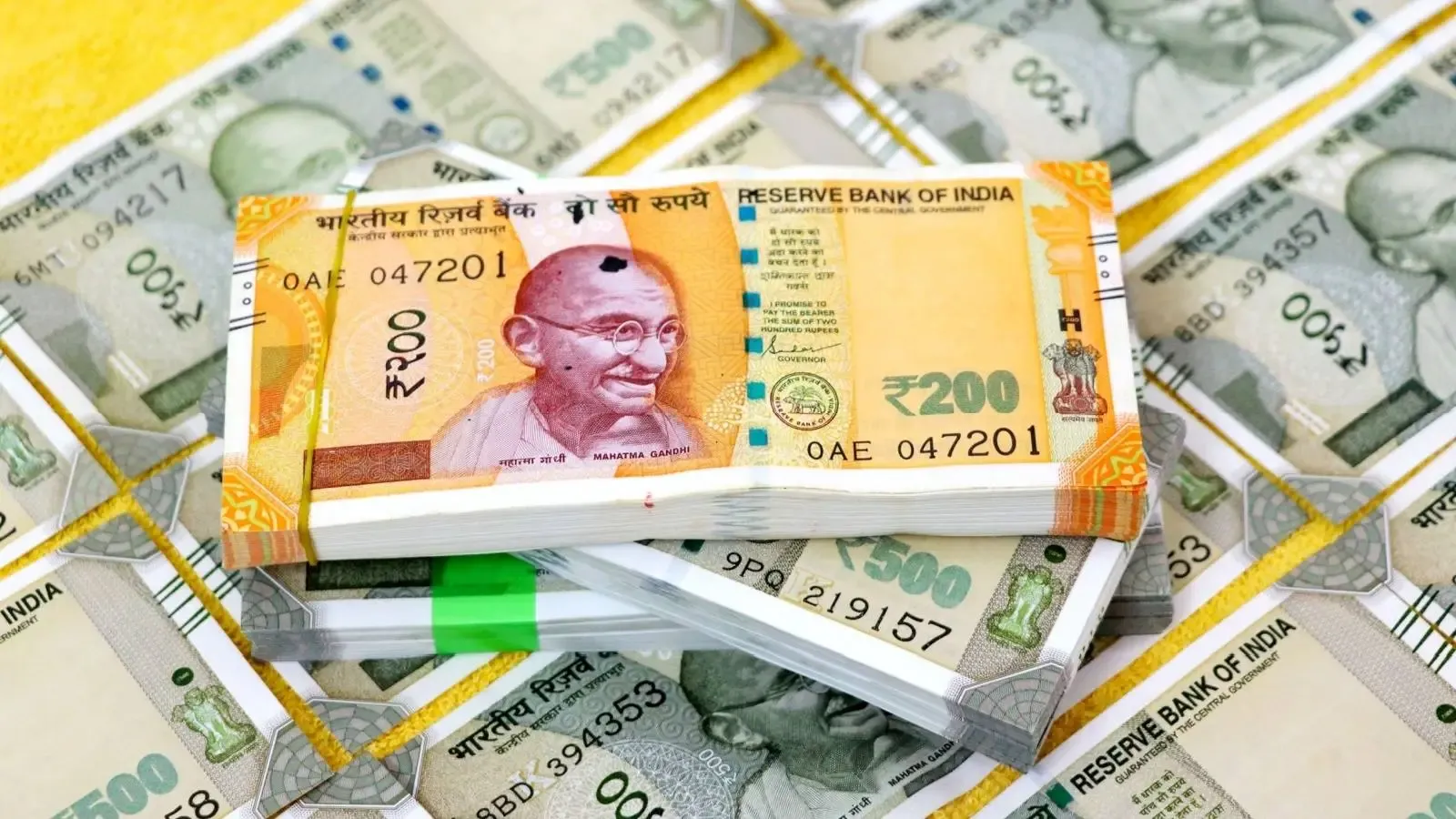
RBI's MPC decision decision will directly affect savers with fixed deposits as well as borrowers repaying home loans.
The Reserve Bank of India’s Monetary Policy Committee (MPC) has begun its three-day meeting today, September 29, which will run until October 1, 2025. The outcome of the meeting will be announced on Wednesday, October 1.
Will the RBI cut the repo rate or hold steady?
Most experts believe the RBI is likely to maintain the current repo rate at 5.5% in the upcoming policy announcement. Stable inflation and the effects of recent GST reforms are seen as reasons to pause rate changes for now.
“We expect the RBI to maintain its growth guidance for the current year at 5.5 percent. While we do not expect a rate cut in this policy, given that forward one-year CPI inflation is projected closer to 5 percent, we believe the central bank will adopt a more dovish stance. The key concern remains transmission: despite 100 basis points of rate cuts, liquidity infusion of ₹5.5 lakh crore via OMOs, and a CRR cut of ₹2.5 lakh crore, borrowing costs remain elevated, especially for central and state governments. Overall, we expect the Governor to highlight the growth impulse from GST cuts, signal comfort on inflation, and strike a dovish tone in the October 1 policy,” said Murthy Nagarajan, Head, Fixed Income, Tata Asset Management.
-
If the RBI pauses, banks will not feel immediate pressure to cut FD rates.
-
Existing FDs are safe until maturity, no impact there.
-
However, new deposits or renewals might start seeing slightly lower rates over time, especially if banks anticipate further easing later.
-
Floating-rate or benchmark-linked EMIs will likely stay the same in the short term.
-
However, some banks might still choose to reduce rates on their own to boost lending.
-
A rate pause offers stability, with no risk of rising EMIs in the immediate future.
-
A rate cut would lead to a decline in FD rates across banks.
-
Short- and medium-term deposits are likely to be affected first.
-
If you have fixed deposits, this could be a good time to lock in existing high FD rates.
-
If the RBI cuts rates, borrowers with floating-rate or repo-linked loans could see lower EMIs once the new rate kicks in.
-
This is especially beneficial for those early in their loan tenure, as they pay more interest in the initial years.
-
You can also consider keeping your EMI the same to reduce your loan tenure and total interest outgo.
So far in 2025, the RBI has already cut the repo rate by 100 basis points in earlier meetings (February, April, and June). In August, it held rates steady.
Related News


About The Author
Next Story

