
Personal Finance News
Akshaya Tritiya 2026: Experts explain how to invest in gold and silver for better returns

4 min read | Updated on April 16, 2026, 16:33 IST


SUMMARY
Silver has been an outstanding performer, delivering 165% return on the back of increased industrial demand, FOMO, and other factors.
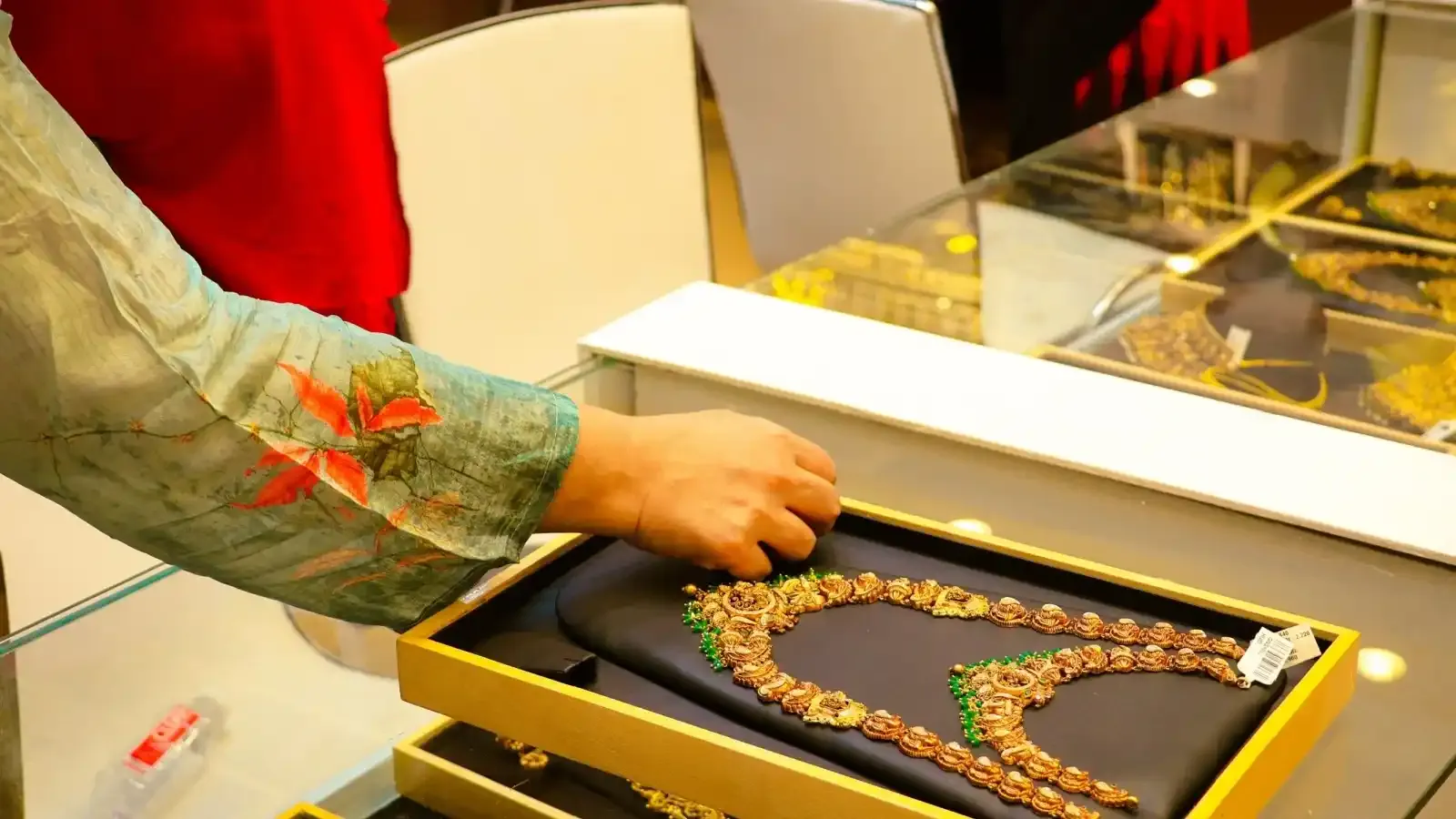
Since the last Akshaya Tritiya, gold has delivered a staggering 60% return, its best annual performance since the pandemic-driven surge in 2020, when it surged as much as 47%. Image: Shutterstock
The auspicious festival of Akshaya Tritiya is now just a few days away, and if you, as a potential buyer or investor in these safe havens, are wondering about the future probable returns, here is a quick take on how these metals can perform going ahead, given the current landscape internationally, together with the fundamentals.
Importantly, since the last Akshaya Tritiya, gold has delivered a staggering 60% return, its best annual performance since the pandemic-driven surge in 2020, when it surged as much as 47%. Alongside, silver has been an outstanding performer, delivering 165% return on the back of increased industrial demand, FOMO, and other factors.
Now, as gold is deemed to be a store of value, since time immemorial, and silver too has gained traction amid its increased utility across semiconductors, EVs etc., investors are expected to continue to gain over time. Notably, ever since 2018, investors in gold have never been disappointed, with average annual returns exceeding 25%.
So, even as both the precious metals have run up sharply on a year-on-year basis, investors are likely to be better-off taking a bet on both the metals with different allocation patterns. This is as experts see a long-term bull run in these metals. So, based on fundamentals and other factors, here is a likely analysis of what investors may expect earnings on these metals going ahead, considering experts' forecasts.
After exorbitant gains of around 200 per cent in the last 6 years, gold and silver- both are expected to sustain their gains. Manoj Jain, Director, Head Commodity Research, Prithvi Finmart Private Limited, noted that as long-term fundamentals of both the asset classes look sound, investors can consider them for investment from a medium to long-term perspective. From gold, the expert anticipates double-digit returns for investors for the next five years.
If we take a shorter term into view, gold and silver are again seen reaping decent returns in double-digits for investors.
How can investors plan their allocation in gold/ silver for optimal returns this Akshaya Tritiya 2026?
Jain supports 60% investment in gold and the rest 40% in silver, given the current geopolitical uncertainties. Further, explaining in detail what course to take, Prithviraj Kothari, Managing Director at RiddiSiddhi Bullions Ltd., President of India Bullion and Jewellers Association Ltd., and Chairman at Jain International Trade Organisation said, "for medium-term investors with a 2–3 year horizon, a blended precious metals strategy offers the best risk-adjusted return."
Breaking down the allocation, he suggests:
50–55% allocation to Gold ETFs — fully regulated, low-cost, and now priced transparently using MCX domestic spot rates under SEBI's April 2026 framework.
Allocate 20–25% to Silver ETFs for higher-beta upside given silver's industrial demand tailwinds.
Keep 15–20% in digital gold for liquidity and systematic accumulation through monthly SIPs. A small 10% allocation to physical gold coins provides the tangible anchor.
This Akshaya Tritiya, the smartest investment is not the biggest purchase — it is the most disciplined, diversified, and consistently held one, noted Kothari.
Other bullion experts opine that investment in gold and silver ETFs via the monthly SIP route, and not a lump sum.
Kirang Gandhi, a Pune-based personal financial mentor, on the best choice among the two, remarked, "Silver can be a better tactical bet than gold this Akshaya Tritiya, but only for the right reason. Gold offers stability and acts as a hedge during uncertainty, while silver is more volatile and linked to industrial demand like EVs and solar energy. When global growth expectations improve, silver often outperforms gold due to higher demand. However, it also falls faster in downturns.”
Related News


About The Author
Next Story

