
Personal Finance News
RBI proposes new digital wallet rules: FAQs on refunds, limits and key changes

3 min read | Updated on April 24, 2026, 07:57 IST


SUMMARY
RBI proposes new digital wallet rules with FAQs explaining refunds, wallet limits, charges, interoperability and key changes for users in the PPI framework update.

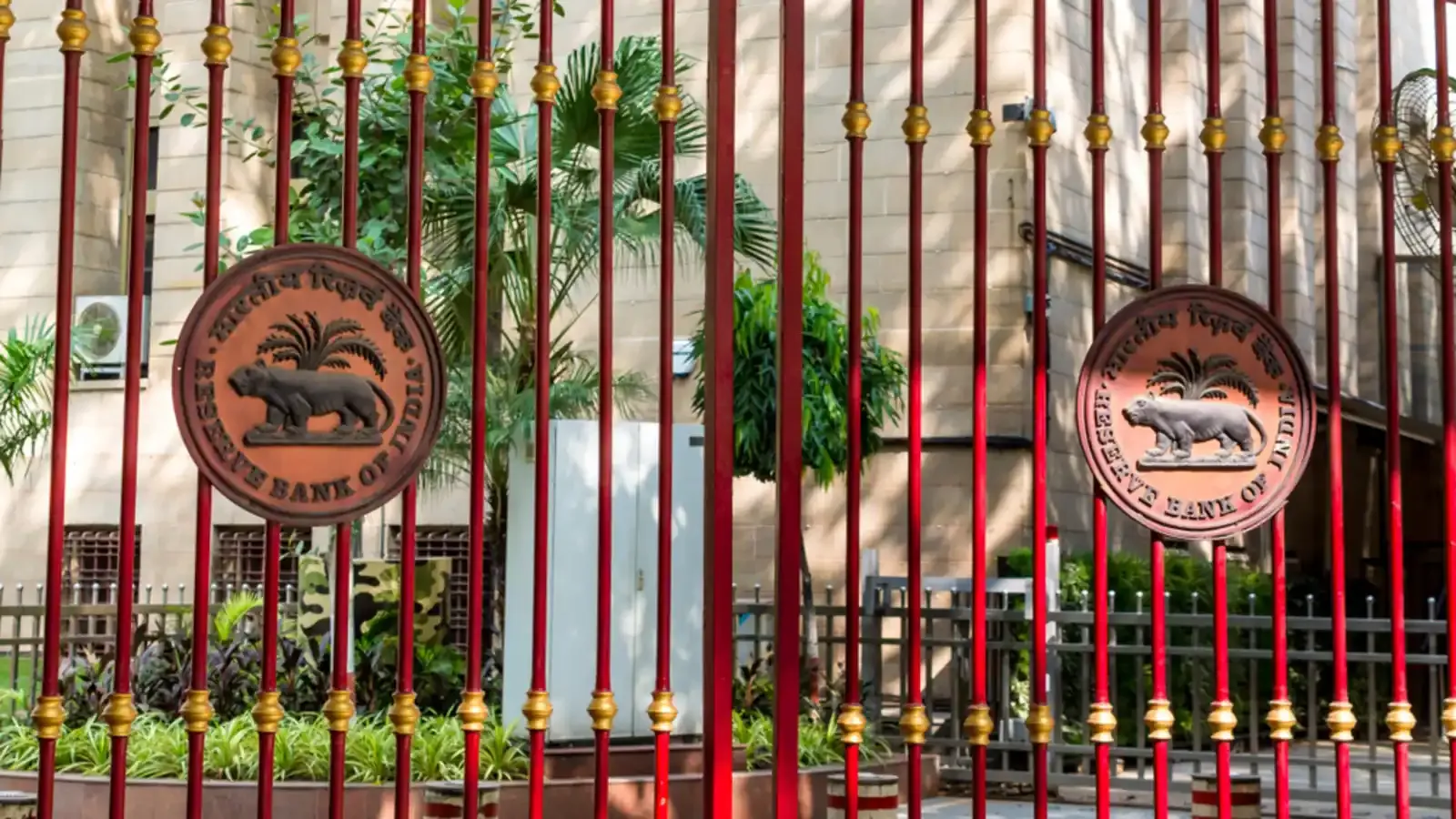
RBI says the existing framework is being reviewed as part of its ongoing effort to strengthen digital payments. | Image: Shutterstock.
The Reserve Bank of India is working on a revised framework for Prepaid Payment Instruments (PPIs), the system behind digital wallets, prepaid cards and similar payment tools.
The central bank says the objective is to build “a conducive framework for long-term growth of PPIs with enhanced security of transactions,” while improving customer protection and system efficiency.
What are PPIs in simple terms?
PPIs are payment instruments where money is loaded in advance and then used for transactions.
These include mobile wallets, gift cards, transit cards and similar prepaid tools.
Why is RBI updating the rules?
The draft mentions a “comprehensive review of the extant guidelines” to ensure better security and long-term stability of the ecosystem.
Will there be limits on wallet balances?
Yes, the draft proposes category-wise limits to ensure controlled usage.
For example:
-
General purpose PPIs may allow up to ₹2 lakh outstanding balance.
-
Cash loading may be restricted to ₹10,000 per month.
-
Gift PPIs may be capped at ₹10,000.
-
Transit PPIs may be limited to ₹3,000.
These limits are aimed at balancing convenience with risk control.
What happens in case of failed transactions?
One of the more user-friendly proposals is on refunds.
RBI says: “Refunds in case of failed, returned, rejected, or cancelled transactions shall be applied to the respective PPI immediately”
This means users should get their money back without delays, even if it briefly exceeds wallet limits.
Will wallet companies face stricter rules?
Yes. The draft proposes stronger eligibility norms for non-bank PPI issuers.
It states that such entities should have a minimum net worth of ₹5 crore, and must reach ₹15 crore by the end of the third financial year of authorisation.
The aim is to ensure only financially stable companies operate in this space.
What about customer protection?
RBI has placed strong emphasis on transparency and grievance handling.
The draft says issuers must disclose “all features of PPI, and all associated charges, validity period and terms and conditions in clear and simple language.”
It also requires a formal grievance system with clear escalation and timelines for resolution.
Will wallets work better with UPI?
Yes, interoperability is a key focus area.
RBI proposes that PPI issuers should facilitate interoperability with “card network or Unified Payments Interface (UPI)” for full-KYC wallets.
It also suggests enabling discovery of wallets on third-party UPI apps.
Can agents charge extra fees?
No. The draft clearly states that agents of PPI issuers “shall not impose any charges on the customers.”
This is aimed at preventing hidden or additional charges in the ecosystem.
Overall, the RBI’s proposed changes are more about making them safer, clearer, and better regulated as usage expands. By tightening rules on limits, refunds, disclosures, and eligibility of wallet providers, the framework aims to reduce risks
Related News

About The Author
Next Story

