
Personal Finance News
Gold, silver rates today, November 19: 24K gold now ₹4,800/g cheaper than January peak; silver has lost ₹2.3 lakh/kg

5 min read | Updated on November 19, 2026, 14:36 IST

SUMMARY
Gold and silver prices have witnessed double digit declines from the record highs at which they traded earlier in January 2026, with silver witnessing a steeper decline than gold.
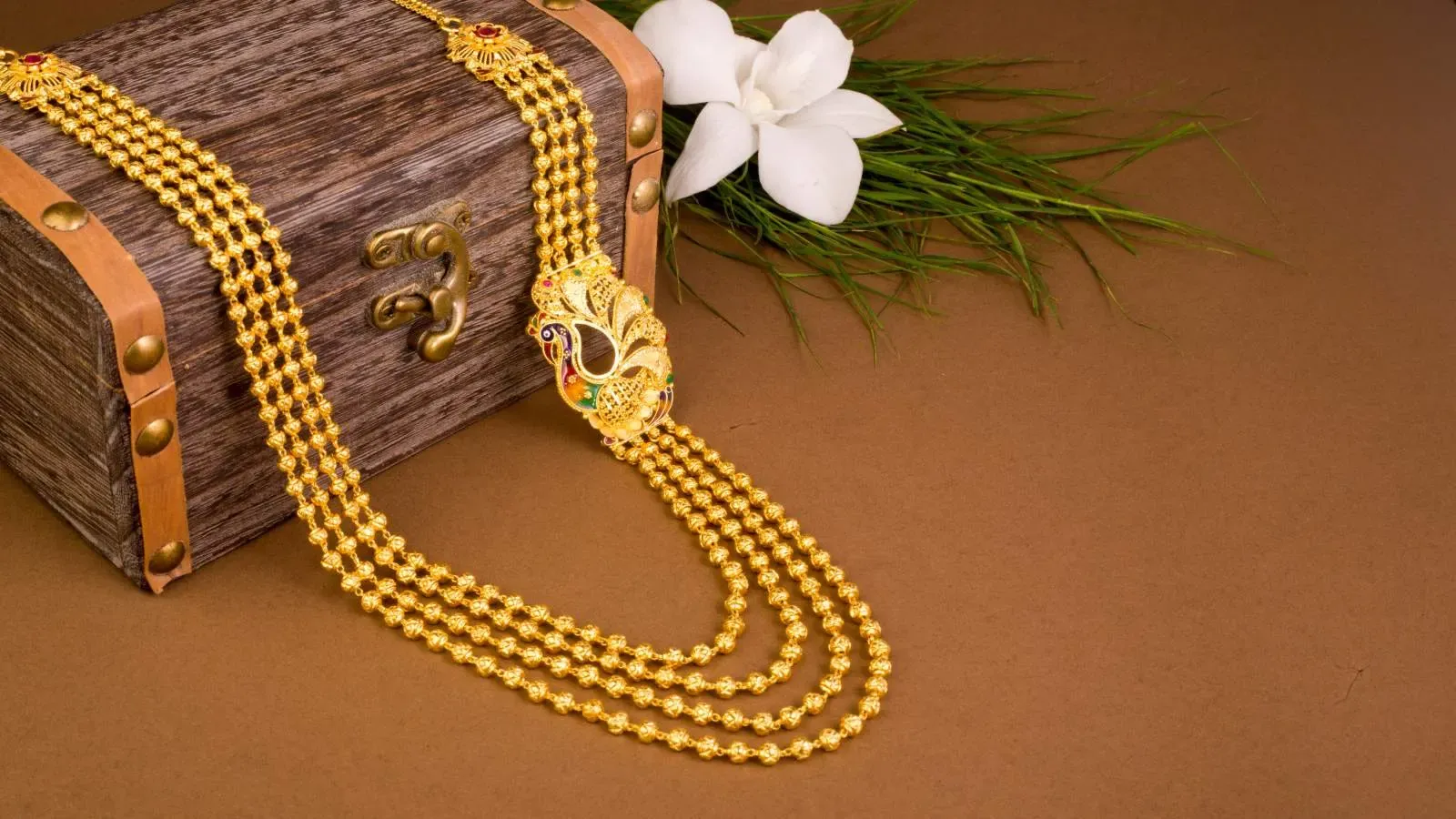
Both metals have corrected significantly since January. | Image: Shutterstock
While gold has witnessed a double-digit dip, the price of silver has fallen even more significantly in 2026. In January, the price of silver achieved a peak price of ₹4,10,000 per kilogram, as of November 19, the white metal has pared the gains to trade 56.09% below its peak at ₹1,80,000 per kilogram, according to data from Goodreturns.
City-wise gold prices in India
Even as gold prices have moderated across Indian cities, prices in Delhi continued to remain relatively higher. The price of one gram of 24 karat gold in Delhi was ₹13,084, the price of one gram of 22 karat gold was around ₹11,995 and the price of 18 karat gold was around ₹9817 per gram. Prices in Vadodara and Ahmedabad were also higher compared to other cities. The price of 24 karat gold in Vadodara stood at ₹13,074 per gram, the price of 22 karat gold stood at ₹11,985 per gram and the price of 18 karat gold stood at ₹9807 per gram. Prices across other major cities remained the same.
The price of 18 karat gold stood at ₹9802 per gram, the price of 22 karat gold stood at ₹11,980 per gram and the price of 24 karat gold stood at ₹13,069 per gram in Mumbai, Kolkata and Bengaluru.
| City | 24K | 22K | 18K |
|---|---|---|---|
| Delhi | ₹13,084 | ₹11,995 | ₹9,817 |
| Vadodara | ₹13,074 | ₹11,985 | ₹9,807 |
| Ahmedabad | ₹13,074 | ₹11,985 | ₹9,807 |
| Chennai | ₹13,069 | ₹11,980 | ₹9,805 |
| Mumbai | ₹13,069 | ₹11,980 | ₹9,802 |
| Kolkata | ₹13,069 | ₹11,980 | ₹9,802 |
| Bengaluru | ₹13,069 | ₹11,980 | ₹9,802 |
| Hyderabad | ₹13,069 | ₹11,980 | ₹9,802 |
| Kerala | ₹13,069 | ₹11,980 | ₹9,802 |
| Pune | ₹13,069 | ₹11,980 | ₹9,802 |
Why have gold and silver witnessed a double digit fall
The double-digit fall in the prices of precious metals indicates the shift that has taken place in investor sentiment around gold and silver. While the price-rally seen in the first half of 2026 was driven by the momentum of safe-haven buying which carried forward from 2025, the appeal seems to have reduced as investors have witnessed the volatility of the commodity space first hand. Increasingly global capital has rotated back into cash and US government bonds.
While gold and silver benefitted from speculative trading in January, the expectations of US monetary policy tightening further made investors less confident about investing in gold and silver. Simply put, while both precious metals and government bonds are perceived as ‘relatively safe’ assets when compared to equities, they function very differently. Government bonds have a coupon rate and offer fixed income returns, while the prices of precious metals fluctuate basis the demand for them. As the US government bonds yields edged higher, institutional money is likely to have turned bullish on debt. Additionally, the expectation of the yield increasing on account of a potential rate-hike has further added to the woes for gold and silver.
Looking at the gap between gold’s 20% plus drop and silver’s 56% tumble, it becomes clear that both the precious metals react very differently to macroeconomic pressure. While gold benefits from a structural floor, owing to seasonal demand such as the demand for gold jewellery in the wedding and festive season, silver lacks that demand as a significant part of its demand comes from industries such as artificial intelligence, electric vehicles and renewable power generation.
Thus a cool-off in demand from these industries has hit silver more, contributing to its price falling in 2026.
Buyers must note that physical gold and silver prices published online are indicative and can fluctuate depending on the jewellers and the city in which they are purchased. The future trajectory of gold and silver prices relies on changes in demand with relation to the global availability of the precious metals.
Related News
About The Author
Next Story

