
Personal Finance News
Digital gold may hit $170 billion by 2031: Buying this Dhanteras or Diwali? Why SEBI's 2025 warning is worth revisiting

4 min read | Updated on October 22, 2026, 09:15 IST


SUMMARY
Digital gold demand is rising ahead of Dhanteras and Diwali. Here's what SEBI warned investors about as the World Gold Council projects a $170 billion market by 2031.

As festive gold buying gathers pace, digital gold highlights the changing ways consumers can access the precious metal. However, market growth projections do not guarantee investment returns or establish the safety of individual products.
With Dhanteras and Diwali approaching, gold is back in focus for Indian households. Digital platforms offer consumers a convenient way to buy small quantities of the precious metal, but investors need to understand the risks associated with these products, particularly after the Securities and Exchange Board of India (SEBI) issued a warning about digital gold in November 2025.
The global digital gold market could grow at an annual rate of around 27% to reach $160–170 billion by 2031, according to the World Gold Council's (WGC) report, Digital Gold: Unlocking a $700-Billion Opportunity, published on October 19, 2026. The report estimates the market's current value at $45–55 billion.
Digital gold demand picks up ahead of the festive season
The festive season is an important period for gold purchases in India, as households buy jewellery, coins and other forms of gold during Dhanteras and Diwali. In its October 20 India market update, the WGC said seasonal demand was gaining momentum, supported in part by a recent decline in gold prices.
Digital gold purchases in India rose 5% month-on-month to 1.7 tonnes in September 2026, according to the WGC. The value of purchases reached ₹25.9 billion, up 4% from August and 83% from a year earlier. The council attributed continued demand to the accessibility, convenience and low minimum investment requirements of digital gold.
Digital platforms allow consumers to purchase fractional quantities of gold without taking immediate physical delivery. However, the convenience of buying gold online does not, by itself, establish the safety of a product or the protections available to its buyers.
What did SEBI warn about digital gold?
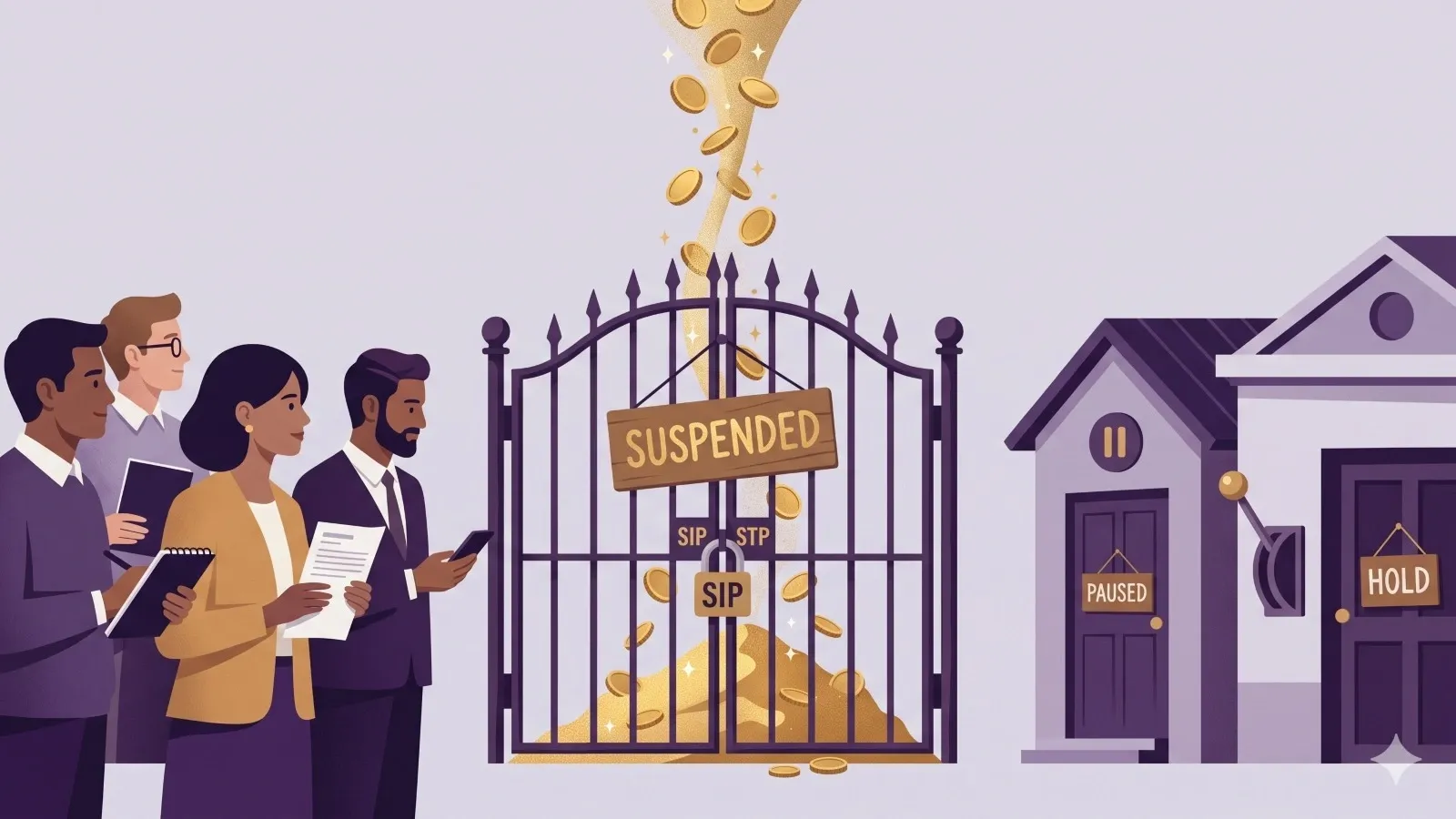
SEBI warned that digital gold products may expose investors to counterparty and operational risks. It also clarified that investor-protection mechanisms available under the securities-market framework would not apply to investments in these products.
The distinction is important because digital gold does not automatically fall under the same regulatory framework as gold exchange-traded funds (ETFs), electronic gold receipts (EGRs) or exchange-traded commodity derivatives. These are separate products with different structures and regulatory arrangements.
What should buyers check before purchasing digital gold?
Consumers considering digital gold during the festive season should understand the terms and conditions of the product before investing. They should check who operates the platform, how the underlying gold is stored and verified, and what contractual rights they have over their holdings.
Physical redemption conditions also warrant attention. Minimum delivery quantities, storage fees, transaction charges and delivery costs can vary by provider. The difference between buying and selling prices can also affect the overall cost of the investment.
Buyers should understand what happens if the platform or its service provider faces financial or operational difficulties. They should also check whether the product provides a clearly defined mechanism for selling their holdings or redeeming physical gold.
Digital gold and Gold ETFs: Different investment options
Unlike digital gold products offered by online platforms, gold ETFs are mutual fund investment products traded on stock exchanges and regulated by SEBI. Investors should understand that the two options differ in their ownership structures, costs, liquidity and regulatory protections.
In its November 2025 caution, SEBI identified gold ETFs, exchange-traded commodity derivative contracts and EGRs traded on stock exchanges as regulated gold-related products available through registered intermediaries.
Digital gold's growth outlook
The WGC estimates that addressing barriers related to trust, access, utility and pricing could unlock up to $700 billion in potential long-term demand for digital gold. Its base-case projection puts the market at $160-170 billion by 2031, although actual growth will depend on how effectively these barriers are addressed.
As festive gold buying gathers pace, digital gold highlights the changing ways consumers can access the precious metal. However, market growth projections do not guarantee investment returns or establish the safety of individual products. Before investing, buyers should assess the provider's credibility, the arrangements for storing the underlying gold, transaction costs, redemption terms and the regulatory protections available to them.
Related News
About The Author
Next Story

