
Market News
US markets today: Dow, S&P 500, Nasdaq futures indicate gap-down open; Novartis, Duolingo, energy stocks to watch

5 min read | Updated on September 01, 2026, 16:41 IST


SUMMARY
US equity futures indicate a lower open on Tuesday, September 1, amid crude oil prices rising to a 7-day high due to the escalation in West Asia. Here's what investors need to know before the opening bell.
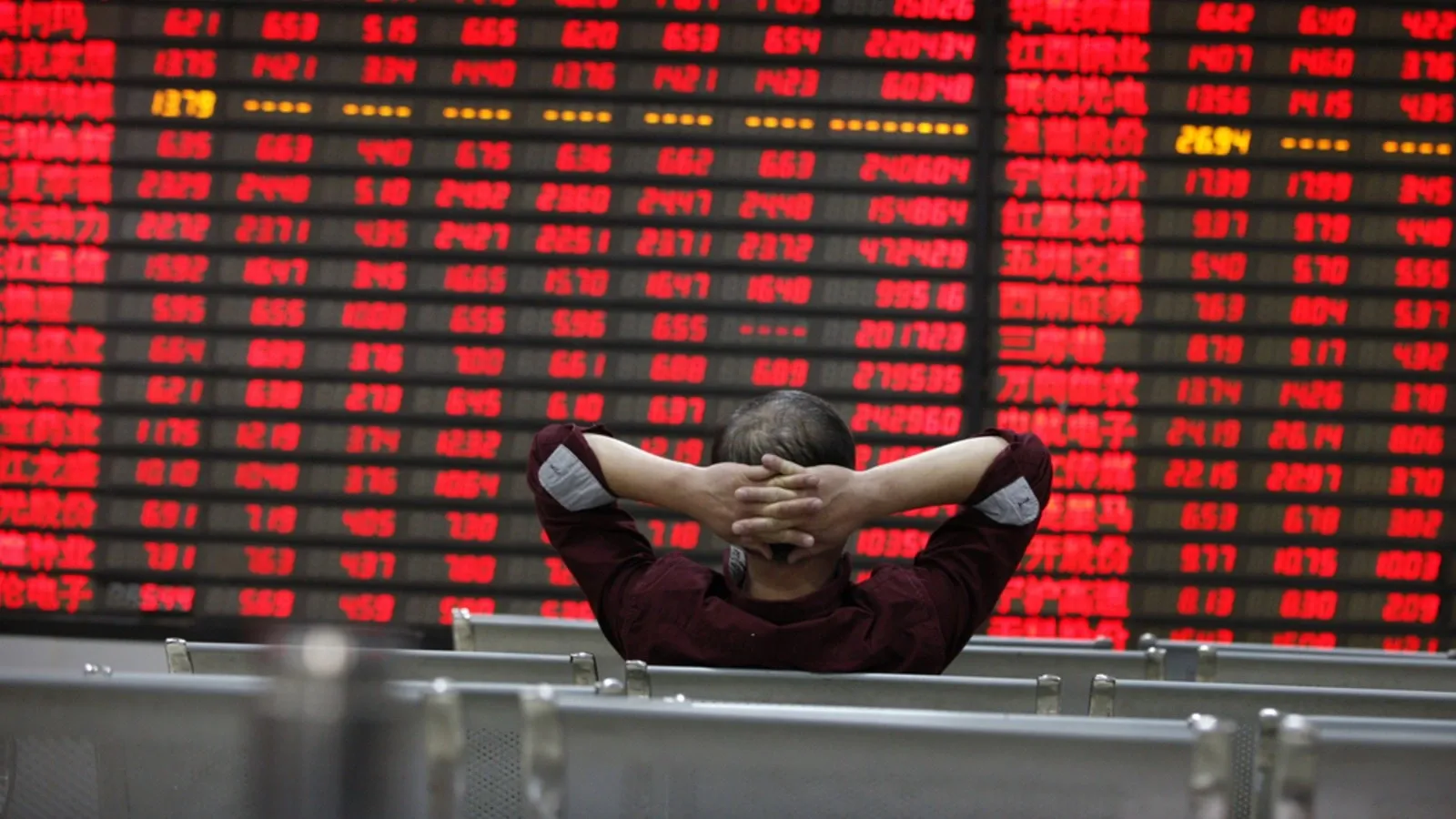
Dow Jones, S&P 500 and Nasdaq futures indicate a negative open ahead of the opening bell on Tuesday, September 1, 2026.
Investing.com data showed that the Dow Jones futures were trading 0.42% lower at 53,019 points ahead of the opening bell on Tuesday’s market, indicating a more than 160-point lower opening on September 1 in comparison to the previous US market close.
The S&P 500 index futures were trading 0.49% lower at 7,661 points ahead of the market open Tuesday, indicating a 25-point lower opening, according to the exchange data.
The tech-heavy Nasdaq 100 futures were trading 0.92% lower at 29,241 points ahead of the opening bell on September 1, indicating a more than 200-point lower opening when compared to the previous Wall Street close.
Key things to watch before US market opens
US stocks to watch on Tuesday, September 1
Global crude oil prices surged to a 7-day high level on Tuesday, September 1, to $92.52 per barrel (bbl), the highest level since August 25, 2026.
High-growth stocks and sectors are the ones which are impacted by the rising yields the most.
How did the US markets end on August 31?
The US equity market benchmark indices, like the Dow Jones and S&P 500, ended lower, while the Nasdaq ended marginally higher amid rising US Treasury yields due to the bearish undertone from the US Fed Chairman Kevin Warsh’s recent comments and the rally in crude oil prices.
MarketWatch data showed that the Dow Jones Industrial Average ended 0.70% lower at 53,185.90 points after the trading session on Monday, in comparison to 53,559.99 points at the previous US equity market close.
The S&P 500 index closed 0.33% lower at 7,686.14 points after the trading session on August 31, compared to 7,711.76 points at the previous stock market close, as per the exchange data.
In contrast, the tech-heavy Nasdaq 100 index ended 0.08% higher at 29,456.97 points after the Wall Street close on Monday, in comparison to 29,433.43 points at the previous equity market close.
Asian markets decline
On September 1, the Asian equity market indices ended lower due to the flare-up in the geopolitical crisis between the United States and Iran in West Asia, a 7-day high in crude oil prices and concerns about sticky inflation, and weakness from the previous Wall Street close.
The data showed that Japan’s Nikkei 225 index ended 0.15% lower, Hong Kong’s Hang Seng ended 0.93% lower, China’s Shanghai Composite lost 0.16%, India’s BSE SENSEX ended 0.02% lower, and Singapore’s FTSE ended 0.78% lower after the trading session on Tuesday.
In contrast, South Korea’s KOSPI ended 0.23% higher after the trading session on September 1, due to the momentum in chipmaking stocks, with SK Hynix and Samsung rising on Tuesday’s market.
Crude oil hits 7-day high
Global crude oil prices surged to a seven-day high level at $92.52 per barrel (bbl) during the trading session on Tuesday, September 1, amid recent escalations between the United States and Iran in West Asia.
Investing.com data showed that the benchmark Brent crude oil price surged 4.6% to touch an intraday high of $92.52 per bbl on Tuesday’s market, in comparison to $88.37 per bbl at the previous commodity market close.
Latest media reports from Al Jazeera showed that Iran plans to “immediately” respond if the United States fulfils its commitments under an interim deal signed in June to end the six-month war and open the Strait of Hormuz.
While US President Donald Trump said that America plans to respond to the recent Iranian strikes. “We’re going to hit them hard,” said Trump on Monday after the attacks on US targets in Jordan and the UAE.
Related News


About The Author
Next Story

