
Market News
The US Fed rate hike was on expected lines, so why did US markets fall?

5 min read | Updated on September 17, 2026, 14:03 IST


SUMMARY
The US Fed delivered the expected 25-bps rate hike, but the bigger market concern was the updated policy path. The median projection now shows the federal funds rate at 4.1% at the end of both 2026 and 2027, compared with lower projections in June. This suggests that rates may stay high for longer and is consistent with one more 25 bps hike this year.
The US Fed latest projection show the median federal funds rate at 4.1% by the end of 2026, up from 3.8% in the June projection.
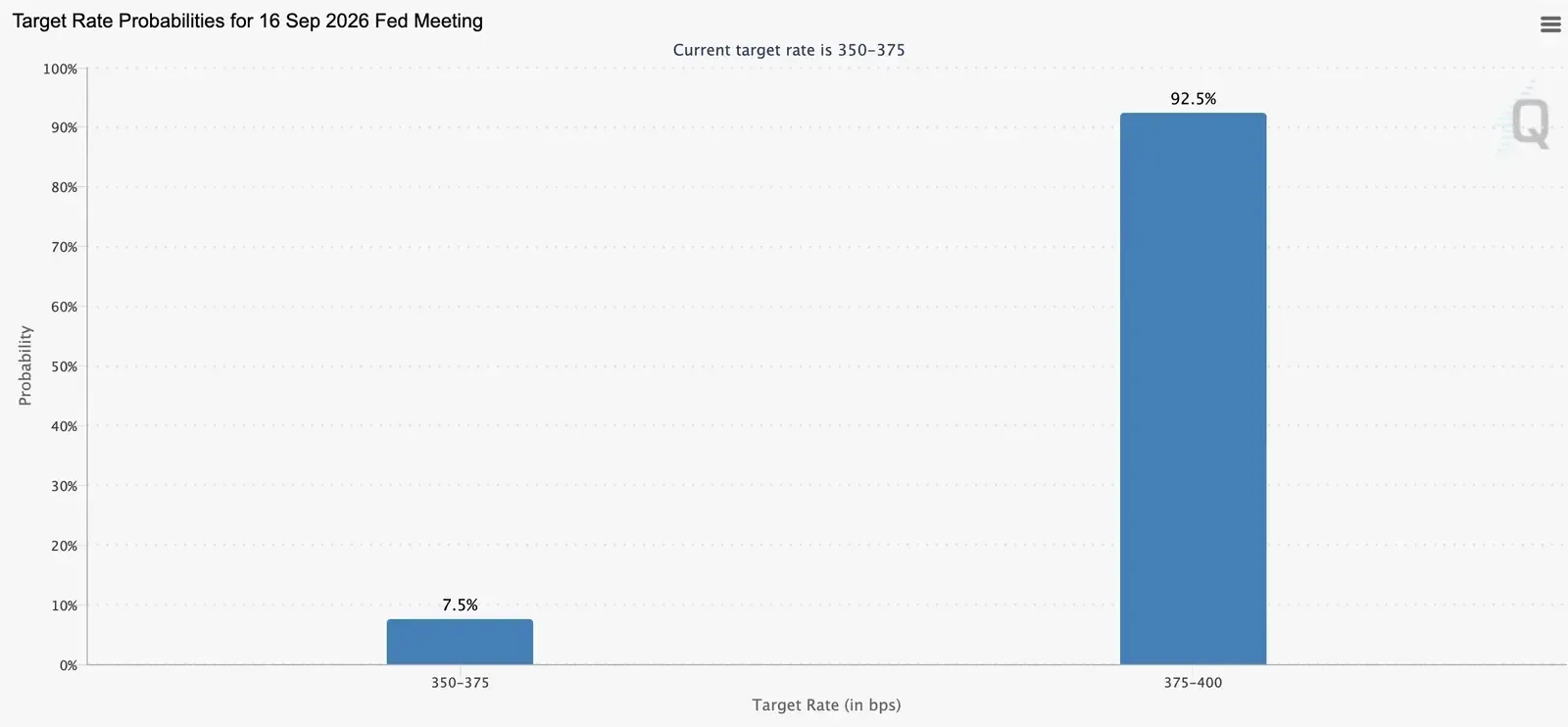
The US Federal Reserve raised interest rates by 25 basis points on Wednesday, taking the federal funds rate to a range of 3.75% to 4.00%.
Normally, a rate hike would be considered negative for markets. But this time, the hike itself was not a surprise. Investors had already expected it.
The Fed is telling markets that rates may stay high for longer
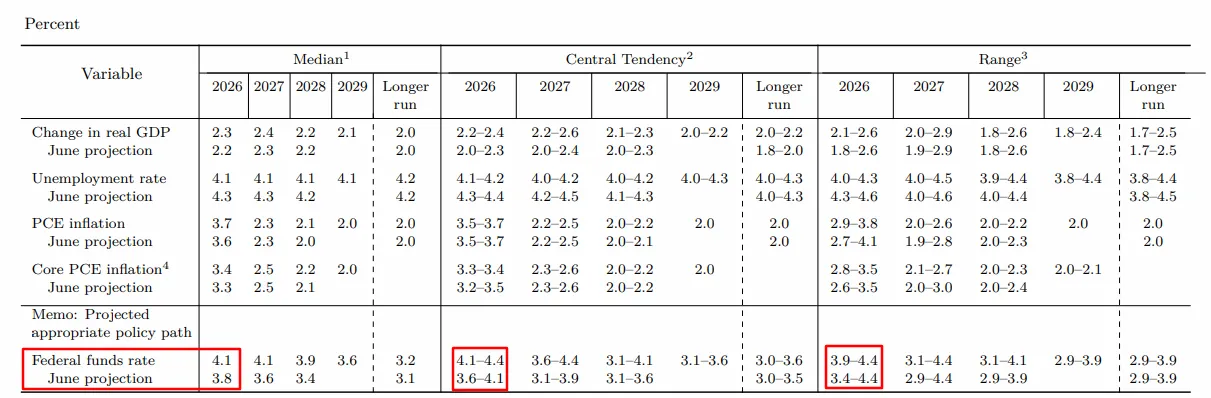
Along with its interest rate decision, the Fed released its latest economic projections. And this is where things became interesting. The Fed now expects its policy rate to be around 4.1% at the end of 2026. In June, the same projection was at 3.8%.
More importantly, the Fed now expects rates to remain around 4.1% even at the end of 2027. In June, it had projected the rate falling to 3.6% in 2027.
In simple terms, the Fed effectively removed the 2027 rate cut shown in its June median projection. That is a clear hawkish shift.
The Fed is expecting one more hike
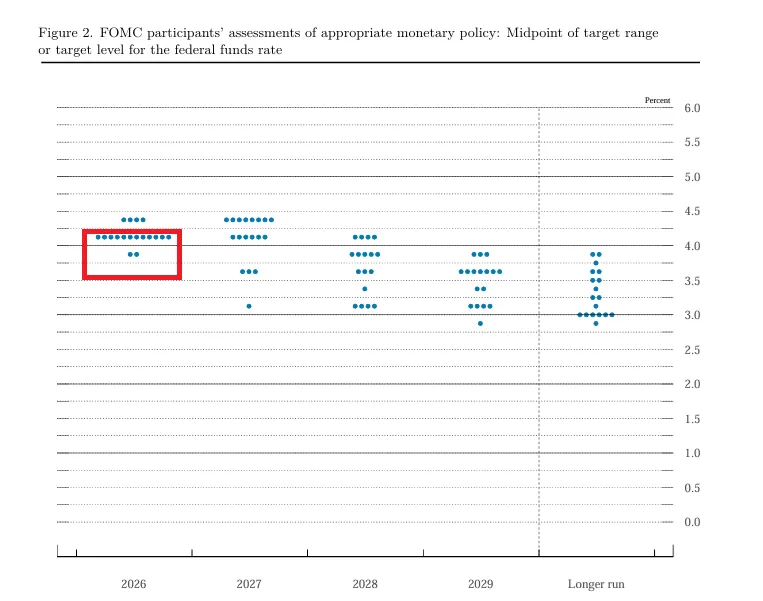
The Fed’s latest projections show the median federal funds rate at 4.1% by the end of 2026, up from 3.8% in the June projection.
The current target range is 3.75% to 4.00%. Another 25 basis point hike would take the range to 4.00% to 4.25%, with a midpoint of about 4.1%.
That means the Fed’s median projection is consistent with one more 25-bps hike this year. In fact, 12 of 18 officials projected exactly one more increase by year end, while 16 of 18 projected at least one more hike.
Then why is the US 2-Year Treasury yield at 4.7%?
This is probably the most important point for investors. After the Fed announcement, the yield on the US 2-Year Treasury moved to roughly 4.71%.
At first glance, this may look strange. If the Fed itself expects rates to be around 4.1%, why is the 2-Year Treasury yielding around 4.7%? The answer is that they are not the same thing. The Fed controls the overnight policy rate, while the 2-year yield is set by the bond market and reflects expectations for interest rates over the next two years, along with inflation and other risks.
A 2-year yield near 4.7%, therefore, shows that investors are still pricing a restrictive interest rate environment and see a risk that rates may need to stay high for longer than previously expected.
Investors are demanding a higher yield because they see a risk that inflation remains sticky and rates have to stay higher for longer.
Why did stocks fall?
The market initially absorbed the rate hike reasonably well because it was already expected. The mood changed as investors studied the projections and listened to Fed Chair Kevin Warsh.
Warsh stressed that inflation remained too high and that inflation trends had not improved enough. US stocks subsequently sold off, while Treasury yields rose.
The S&P 500 fell around 1% before recovering towards the close, while the Dow dropped more than 600 points during the session.
But there is also a positive side
This does not necessarily mean the Fed is preparing for a long series of aggressive rate hikes. At the moment, the Fed's median projection suggests only one additional hike.
And this is where the outlook could eventually become more positive for markets. The 2-Year Treasury yield is currently near 4.7%, while the Fed's own longer term rate projection is much lower.
If inflation starts cooling, crude oil prices fall, and economic data begins to soften, bond investors could start pricing fewer future hikes. That could bring the 2-year yield lower.
So although Wednesday's Fed meeting was clearly hawkish, the important number for investors to watch from here may not simply be the Fed funds rate.
What should investors watch now?
Three things matter most.
If the yield continues moving above or around 4.7%, it would suggest that markets are becoming even more worried about higher rates. If it starts falling, it could indicate that investors believe the Fed is getting closer to the end of its hiking cycle.
The Fed's biggest problem remains inflation. If inflation begins falling faster than expected, the need for additional rate hikes reduces considerably.
Higher energy prices have added to inflation concerns. Any sustained decline in crude oil could therefore make the Fed's job easier.
The simple takeaway
The Fed's 25 basis point rate hike was not a real surprise. The surprise was that the Fed now expects interest rates to remain around 4.1% through 2027, instead of falling next year as previously projected.
At the same time, the US 2-Year Treasury yield is trading around 4.7%, suggesting that bond investors are pricing an even tougher interest rate environment.
That combination explains why markets reacted negatively.
About The Author
Next Story

