Market News
SBI shares have jumped 49% in 6 months; check what CLSA said about India's largest public sector bank

3 min read | Updated on February 26, 2026, 09:35 IST


SUMMARY
SBI share price: The stock’s steady rally stands out, especially amid the heightened volatility in Indian markets over the past 15 months. The move is particularly notable given that SBI is a large-cap stock, which typically does not exhibit the sharp price swings seen in mid- and small-cap stocks.
Stock list
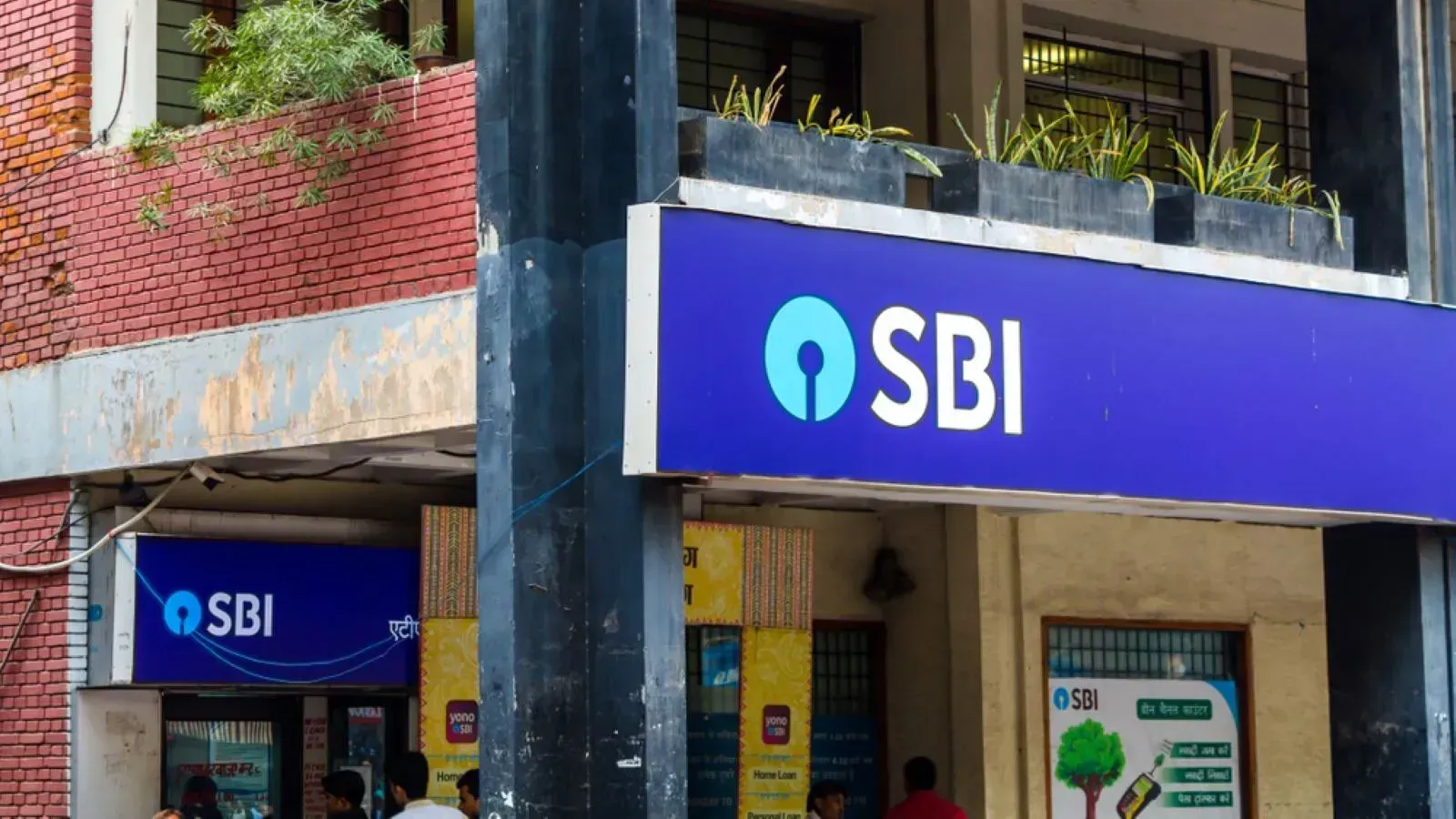
SBI reported an all-time high profit of ₹21,028 crore in the December quarter of FY26 on a standalone basis. Image: Shutterstock
Data show that the SBI stock has jumped over 14% in a month, 49% in six months, over 22% so far in 2026 (YTD), and an impressive 71% over the past 12 months (as of the February 26 early trade level).
By comparison, NIFTY BANK has risen over 3% in 1 month, over 12% in six months, over 2% YTD, and over 25% in the past year.
Similarly, the NIFTY PSU Bank index has rallied over 10% in a month, 44% in six months, over 15% YTD, and around 70% in 1 year.
Meanwhile, the benchmark index of the NSE, the NIFTY50 index, has risen 1.3% in 1 month, over 3% in six months, declined nearly 2.5% YTD, and rallied over 13% in the past 12 months.
The stock’s steady rally stands out, especially amid the heightened volatility in Indian markets over the past 15 months. The move is particularly notable given that SBI is a large-cap stock, which typically does not exhibit the sharp price swings seen in mid- and small-cap stocks.
What CLSA said in its recent note
According to reports, analysts at CLSA have said that despite being the country’s largest lender, State Bank of India has outpaced industry growth over the past five years. Since the Covid-19 period, the bank has leveraged its under-utilised branch network to scale up its retail lending franchise.
On the liabilities side, SBI narrowed the gap in cost of deposits with peers such as Axis Bank and Kotak Mahindra Bank during FY22–FY25.
Its high liquidity coverage ratio (LCR) offers twin advantages — the ability to grow loans faster than deposits and a consequent benefit to margins.
While the stock could remain range-bound in the near term following the recent rally, analysts believe it remains a strong long-term compounder.
SBI: Recent updates
SBI reported an all-time high profit of ₹21,028 crore in the December quarter of FY26 on a standalone basis.
On a consolidated basis, the state-owned lender reported a 13.06% increase in profit at ₹21,317 crore, as per a regulatory filing.
The bank's core net interest income on a standalone basis grew 9.04% to ₹45,190 crore from ₹41,446 crore in the year-ago period on the back of 15.14% loan growth and a 0.03% compression in the domestic net interest margin at 3.12 per cent.
Non-interest income grew 15.65% to ₹8,404 crore during the quarter.
Overall expenses were up at ₹1,08,052 crore as against ₹1,04,917 crore in Q3 2024-25.
The bank reported a 9.02% deposit growth during the October-December period.
Fresh slippages came in at ₹4,458 crore, as against ₹3,823 crore in the year-ago period.
The gross non-performing assets (GNPA) ratio improved to 1.57% as of December 31, 2025, from 1.73% in September, while overall provisions were at ₹4,507 crore as against ₹911 crore in the year-ago period.
Overall capital adequacy stood at 14.04% as of December 31, 2025, with the core buffer at 10.99%.
CEO Speak
At a press conference, SBI chairman C. S. Setty said a special dividend of ₹2,200 crore from SBI MF helped the profit growth in Q3, along with a rise in fee income, recoveries from written-off accounts, and also net interest income.
Related News

About The Author
Next Story