Market News
Mahindra & Mahindra shares tumble 5%, NIFTY AUTO index down 1.6%; here is why
.png)
4 min read | Updated on January 27, 2026, 10:23 IST


SUMMARY
Mahindra & Mahindra share price: Import duty cuts on labour-intensive sectors such as textiles and footwear, as well as cars and wines, are likely to be part of the free trade agreement between India and the 27-nation bloc European Union (EU), the conclusion of which is set to be announced on January 27.
M&M stock declined, as per reports, on fears of increased competition from the India-EU FTA. | Image: Shutterstock
The NIFTY AUTO index was trading 1.63% lower at 26,367.50 levels, with 12 out of 15 constituents trading in the red.
M&M stock declined, as per reports, on fears of increased competition from the India-EU FTA.
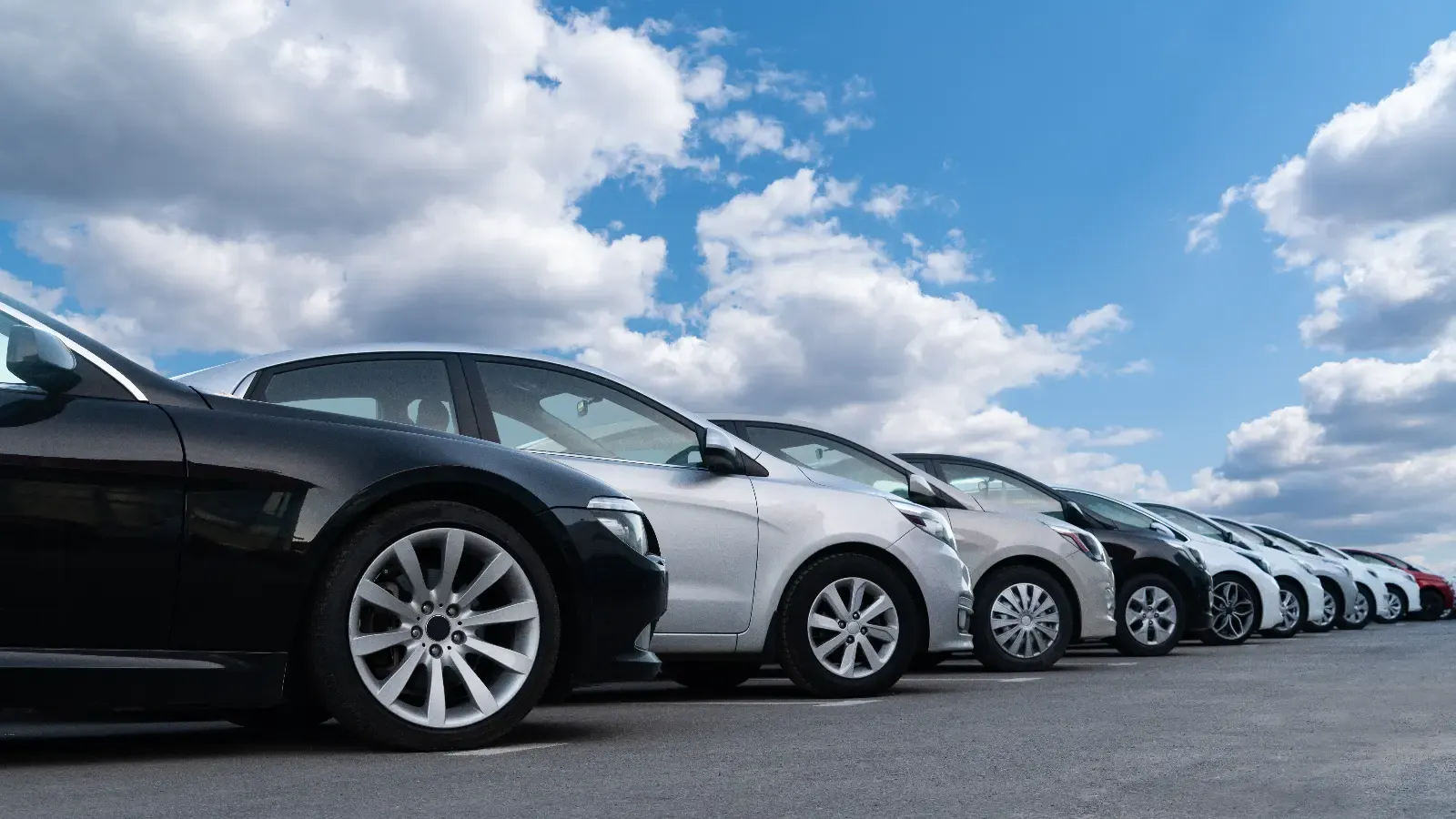
According to analysts and media reports, if India lowers import duties on European cars—currently at 100%—luxury brands such as Audi, BMW, and Mercedes-Benz could become more affordable, intensifying competition in the domestic premium segment.
On the flip side, India's export quota for cars is 2.5x that of the EU, with those cars getting duty-free access.
According to a note by global investment firm Goldman Sachs, the impact of this is most on brands with a high-volume presence in the premium executive and luxury segments, or in the ₹23.2 lakh-plus price range.
For Mahindra & Mahindra, Goldman Sachs sees a 1.9% impact on the company's profitability, as it has significant exposure to this segment via models such as the XUV700 and the Scorpio.
The FTA details
Import duty cuts on labour-intensive sectors such as textiles and footwear, as well as cars and wines, are likely to be part of the free trade agreement between India and the 27-nation bloc European Union (EU), the conclusion of which is set to be announced on January 27.
They said the pact is also expected to include liberalisation of norms in several services sectors.
India has pushed for zero-duty access for its labour-intensive sectors such as textiles, leather, apparel, gems and jewellery, and handicrafts. This has been a key demand in all free trade agreements (FTAs) finalised by India; this is one of the key demands and has been met in each one of them, including with the UK, the UAE, and Australia.
On the other hand, the EU has been demanding duty reductions for its automobiles and alcoholic beverages, including wines. India has granted quota-based tariff concessions in its trade pact with the UK in the automobile sector. Wines are part of trade deals with Australia and New Zealand.
In September last year, Commerce Secretary Rajesh Agarwal, who was then a special secretary, said the proposed trade pact with the EU will provide huge opportunities for the domestic auto industry to boost exports and forge new partnerships with leading automobile giants from the 27-nation bloc.
The EU's tariffs on Indian goods are about 3.8%, but labour-intensive sectors attract about 10% import duty. India's weighted average duty on EU goods is about 9.3%, with particularly high duties on automobiles and parts (35.5%), plastics (10.4%), and chemicals and pharmaceuticals (9.9%).
Related News
About The Author
Next Story