
Market News
JSW Steel, Tata Steel shares in focus as EU imposes 9.5% duty on Indian steel

4 min read | Updated on November 17, 2026, 07:48 IST

SUMMARY
The move could affect the competitiveness of Indian steel exports to the European Union (EU). However, the actual financial impact on domestic steelmakers will depend on their exposure to the products covered by the investigation and their ability to pass on the additional costs.
Stock list
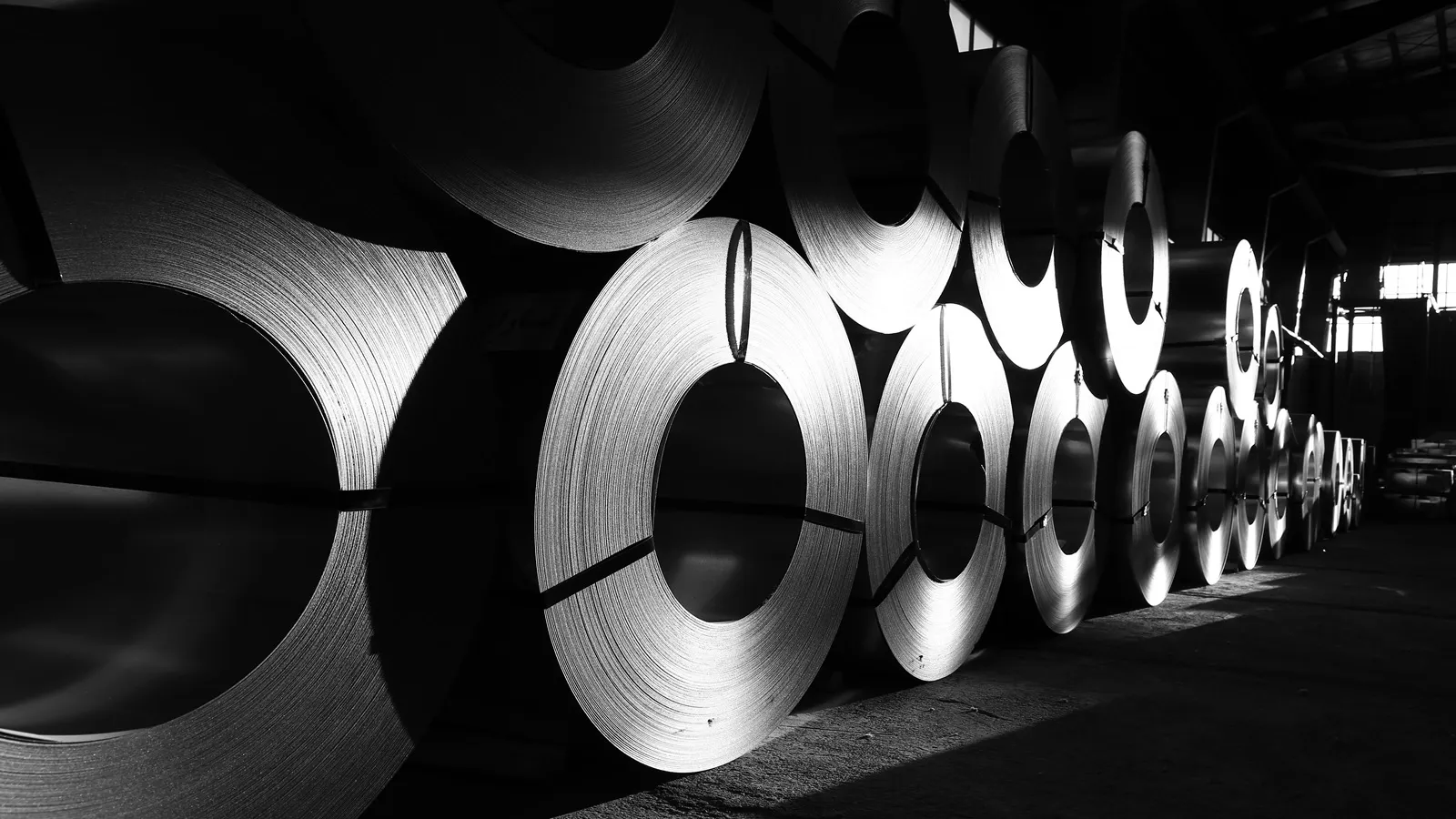
The European Commission on Monday imposed anti-dumping duties on certain steel products imported from India, Japan, Taiwan, Turkiye and Vietnam. Image: Unsplash
JSW Steel and Tata Steel shares are likely to be in focus on Tuesday, November 17, after the European Commission imposed a definitive anti-dumping duty of 9.5% on certain cold-rolled flat steel products imported from India.
The move could affect the competitiveness of Indian steel exports to the European Union (EU). However, the actual financial impact on domestic steelmakers will depend on their exposure to the products covered by the investigation and their ability to pass on the additional costs.
Other domestic steelmakers are likely to see limited direct impact, given their negligible exports of the affected products to the EU.
Why are JSW Steel and Tata Steel in focus?
JSW Steel and its subsidiary JSW Steel Coated Products are among the Indian producers covered by the European Commission’s investigation. They will face a 9.5% anti-dumping duty on specified cold-rolled flat steel exports to the EU.
The 9.5% duty also covers Tata Steel India. The measure could affect the competitiveness and realisations of its specified cold-rolled steel exports to Europe.
What is the announcement?
The European Commission on Monday imposed anti-dumping duties on certain steel products imported from India, Japan, Taiwan, Turkiye and Vietnam.
The definitive duties stand at 9.5% for India, 27.9% for Japan, 20.7%-27% for Taiwan, 3%-7.8% for Turkiye and 16% for Vietnam. The decision follows an investigation that found certain cold-rolled flat steel products from these countries were entering the EU market at dumped prices.
“Today the European Commission imposed anti-dumping duties on imports into the EU of certain cold-rolled flat steel products from India, Japan, Taiwan, Turkiye and Vietnam,” the Commission said in a statement.
Cold-rolled flat steel is widely used in manufacturing, including in sectors such as automobiles, appliances and construction.
The EU market for cold-rolled flat steel products is estimated to be worth around €23.2 billion. Domestic production is spread across 12 EU countries and supports more than 8,600 jobs.
The total value of imports into the EU from the five countries covered by the investigation was reported at €1.775 billion. Of this, imports from India accounted for €282 million, followed by Taiwan at €345 million, Turkiye at €240 million, Japan at €180 million and Vietnam at €125 million.
The European Commission said the investigation was of systemic importance for trade defence, extending beyond the products and industry sectors concerned.
It also said that government measures in India had affected domestic iron ore prices, a key raw material used in steel production. This was among the factors considered in its assessment of dumping.
What is an anti-dumping duty?
An anti-dumping duty is an additional tax imposed on imported goods when a country finds that foreign companies are selling products at unfairly low prices in its domestic market, hurting local manufacturers.
In the case of steel, the duty makes imported steel more expensive, helping domestic producers compete with overseas suppliers. The measure is aimed at preventing unfair pricing practices and protecting local steelmakers from cheaper imports.
Is there a silver lining for Tata Steel?
While Tata Steel’s Indian operations are covered by the 9.5% duty, the development could potentially benefit its European business, which has operations in the Netherlands and the UK.
The duty could improve the competitive position of Tata Steel’s European operations by making competing imports from India and other targeted countries more expensive.
However, the benefit is not automatic. The duty applies to specified imports originating in India and other targeted countries, rather than steel produced locally by Tata Steel in Europe.
The extent of any benefit will depend on how much competing imported material is displaced and whether Tata Steel’s European operations can capture additional demand or improve realisations.
Related News


About The Author
Next Story

