Market News
INR vs USD: Indian rupee nears one-month low against US dollar amid higher oil prices, elevated greenback demand

3 min read | Updated on April 28, 2026, 14:30 IST


SUMMARY
The Indian rupee was closing towards its one-month low levels against the US dollar as investors were trading with caution amid heightened uncertainty and moving out of emerging market bets.
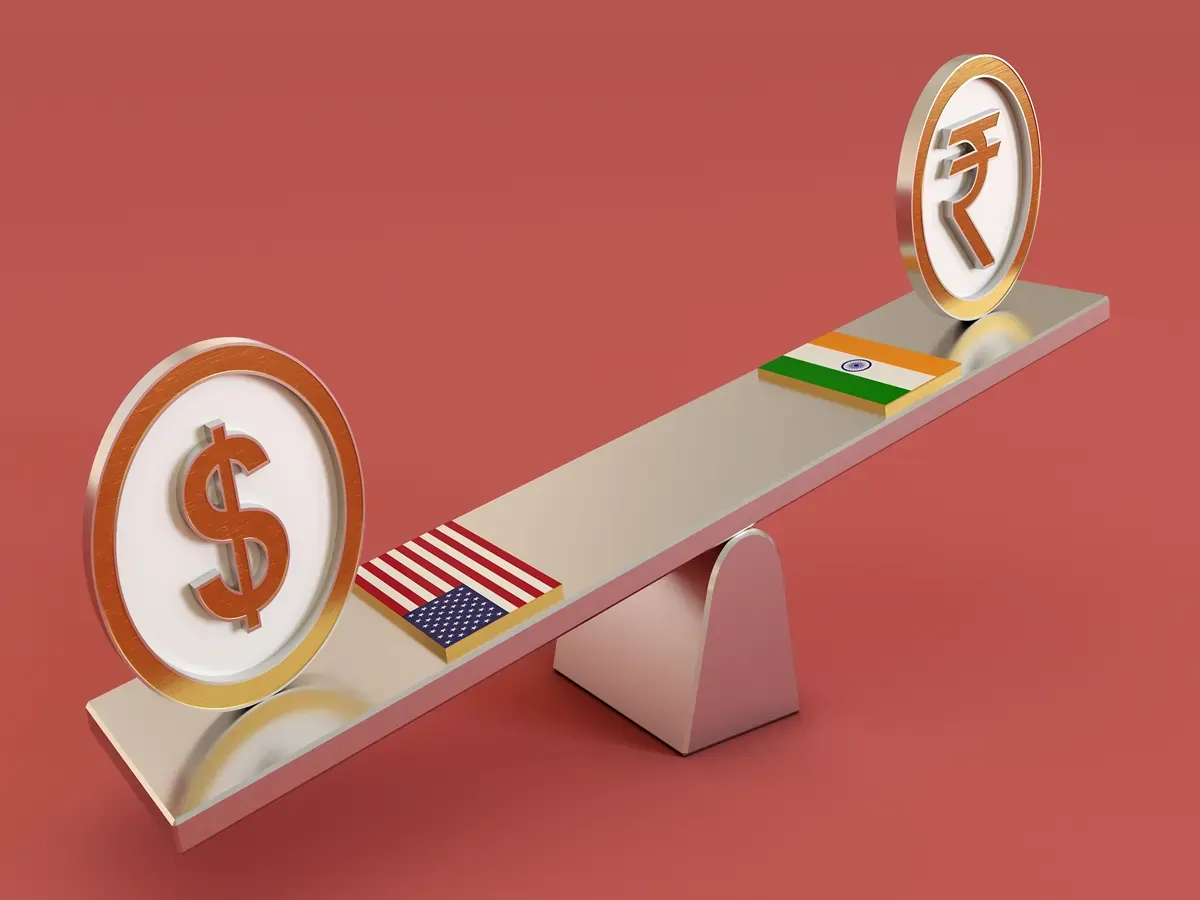
Indian rupee was trading 0.37% weaker at 94.536 against the US dollar as of 1:49 pm (IST) on April 28.
Investors across asset classes were trading with caution amid heightened uncertainty in the market and media reports around the US President Donald Trump allegedly signalling that he is unlikely to accept the latest peace proposal sent by Iranian authorities on potentially opening the Strait of Hormuz.
Investing.com data showed that the Indian rupee was trading 0.37% weaker at 94.536 against the US dollar as of 1:49 pm (IST), compared to the previous market close of 94.19 against the greenback.
Historical data showed that the Indian currency was closing towards its one-month low levels of 94.775 against the US dollar during Tuesday’s trading session amid weak global cues in the currency market.
Indian rupee’s all-time low level remains at 95.22 against the US dollar, according to the exchange data.
What’s weighing down Indian rupee today?
The Indian rupee was witnessing significant pressure on April 28, from heightened crude oil prices and a wider shift towards safe-haven assets away from the emerging markets. In times of uncertainty, investors tend to steer away from emerging market currencies like the Indian rupee towards the US dollar, increasing the demand for the benchmark currency.
Experts said that the US dollar index was holding in the early market hours on certain cues of a potential easing in the geopolitical tensions, as Iran submitted its proposal to the United States.
However, in the afternoon market hours, the trends have reversed with the US dollar witnessing heightened interest from market investors.
Data collected from the US dollar spot index (DYX) showed that the greenback was trading 0.15% higher at 98.639 as of 4:21 am (ET) on Tuesday, April 28, compared to the previous currency market close.
The global benchmark, Brent crude oil futures of the July 2026 contract, were trading 2.11% higher near $104 per barrel as of 2:00 pm (IST), compared to $101.69 at the previous commodity market session, according to Investing.com data.
According to a PTI report, forex traders said that with the high prices of crude oil in the global market, India's position is vulnerable amid foreign capital outflows and subdued investor sentiment.
CR Forex Advisors MD, Amit Parabi, said that the Indian rupee seems to be standing at a crossroads, not weak enough to fall, not strong enough to rise. He also highlighted that when the growth expectations of the Indian economy soften, at the same time, it reduces the cushion the currency usually enjoys.
According to the news report, the global investment giant, Goldman Sachs, raised its oil price forecast to $94.39 per bbl, while trimming India’s growth forecast to 5.9% for the year ending 2026.
Related News


About The Author
Next Story