Market News
GNFC share price slips 6%: Company issues business update amid West Asia conflict; what investors need to know

4 min read | Updated on March 09, 2026, 10:22 IST


SUMMARY
GNFC share price: The company said that the ongoing war in the Middle East region has adversely impacted the supply of liquefied natural gas (LNG). In this regard, GAIL (India) Limited (GAIL), the company’s supplier of regasified liquefied natural gas (RLNG), has received a force majeure notice from its upstream supplier, Petronet LNG Limited (PLL).
Stock list
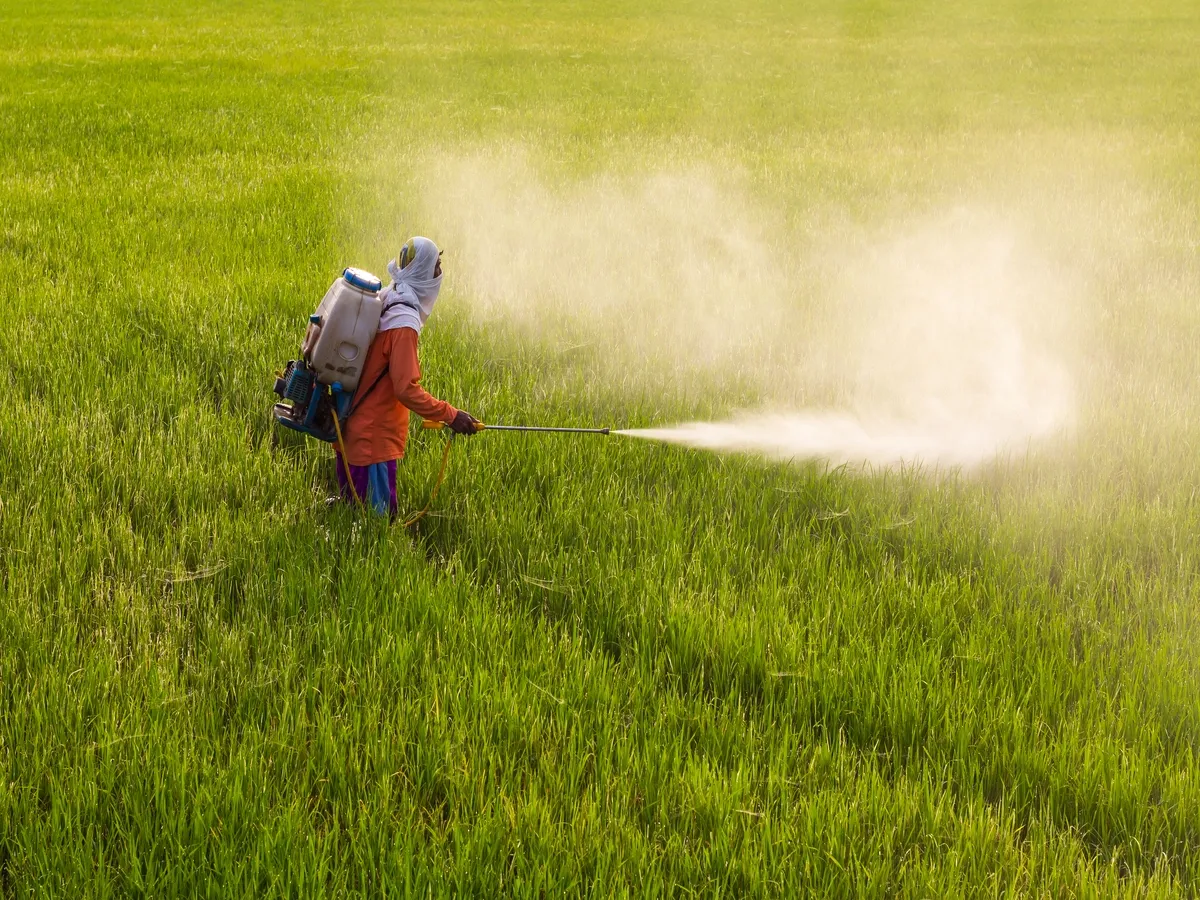
The government said that gas allocation to the fertiliser sector has been accorded top national priority following a high-level review meeting. | Image: Shutterstock
The company said that the ongoing war in the Middle East region has adversely impacted the supply of liquefied natural gas (LNG). In this regard, GAIL (India) Limited (GAIL), the company’s supplier of regasified liquefied natural gas (RLNG), has received a force majeure notice from its upstream supplier, Petronet LNG Limited (PLL), citing transit constraints affecting the supply of LNG.
Since the supply of RLNG to Gujarat Narmada Valley Fertilizers & Chemicals Limited (GNFC) under its agreement with GAIL is dependent upon the receipt of RLNG by GAIL from PLL, GAIL has consequently issued a Force Majeure Notice to GNFC.
Accordingly, due to the supply constraints, the allocation of RLNG quantities to GNFC under the Supply Agreement has been restricted to 60% of the Daily Contracted Quantity (DCQ) on an overall basis with effect from March 06, 2026.
This will have an impact on the production of neem urea. However, the manufacturing of other products is not affected as of the current date.
The likely impact of force majeure, which is currently an ongoing event, cannot be estimated at this point in time, it said.
"The company is closely monitoring the situation and will keep the stock exchanges informed of any material developments in this regard," it added.
Other details to know
India's fertiliser inventories have surged to their highest level ahead of the kharif (summer) crop season, the government said on Friday, seeking to reassure farmers and markets that domestic supplies remain unaffected by geopolitical tensions roiling West Asia and the Strait of Hormuz.
Total fertiliser reserves stood at 177.31 lakh tonnes as of Friday, up 36.5% from 129.85 lakh tonnes a year earlier, the Department of Fertilizers said in a statement.
"Farmers are the priority of the government, and their interests will not be compromised under any circumstances," the department said.
Farmers have been urged to proceed with kharif preparations without panic. Sowing of kharif crops like rice begins with the onset of the southwest monsoon from June.
Stocks of urea -- the most consumed fertiliser and one heavily dependent on natural gas feedstock -- stood at 59.30 lakh tonnes. Diammonium phosphate (DAP) inventories were at 25.13 lakh tonnes, while NPKS fertiliser reserves reached 55.87 lakh tonnes.
The government said it has imported 98 lakh tonnes of finished fertilisers up to February 2026. A further 17 lakh tonne of shipments are already lined up for delivery over the next three months.
Indian companies have also secured long-term supply agreements with major international producers for phosphatic and potassic (P&K) fertilisers to guard against regional pricing and supply volatility, the statement said.
Concerns over LNG supply disruptions
On concerns over LNG supply disruptions, the department said gas allocation to the fertiliser sector has been accorded top national priority following a high-level review meeting.
Fertiliser companies have also agreed to prepone scheduled plant shutdowns for maintenance to March, the department said, adding that the move will allow firms to utilise the period of global disruption productively without affecting peak-season output.
The Department of Fertilisers, in coordination with the Ministry of Petroleum and Natural Gas, is monitoring the global energy situation in real time and stands ready to take swift action as circumstances evolve, it added.
India is the world's second-largest consumer of fertilisers and relies heavily on imports for DAP and potash, making it vulnerable to disruptions in key shipping lanes, including the Strait of Hormuz.
Related News


About The Author
Next Story