
Market News
Is US Federal Reserve likely to raise interest rates? Key things investors should know ahead of FOMC outcome

4 min read | Updated on July 28, 2026, 20:05 IST


SUMMARY
US Federal Reserve Chairman Kevin Warsh-led FOMC is set to announce the key interest rates for the US economy on July 29. Here's all investors need to know ahead of the key policy outcome.
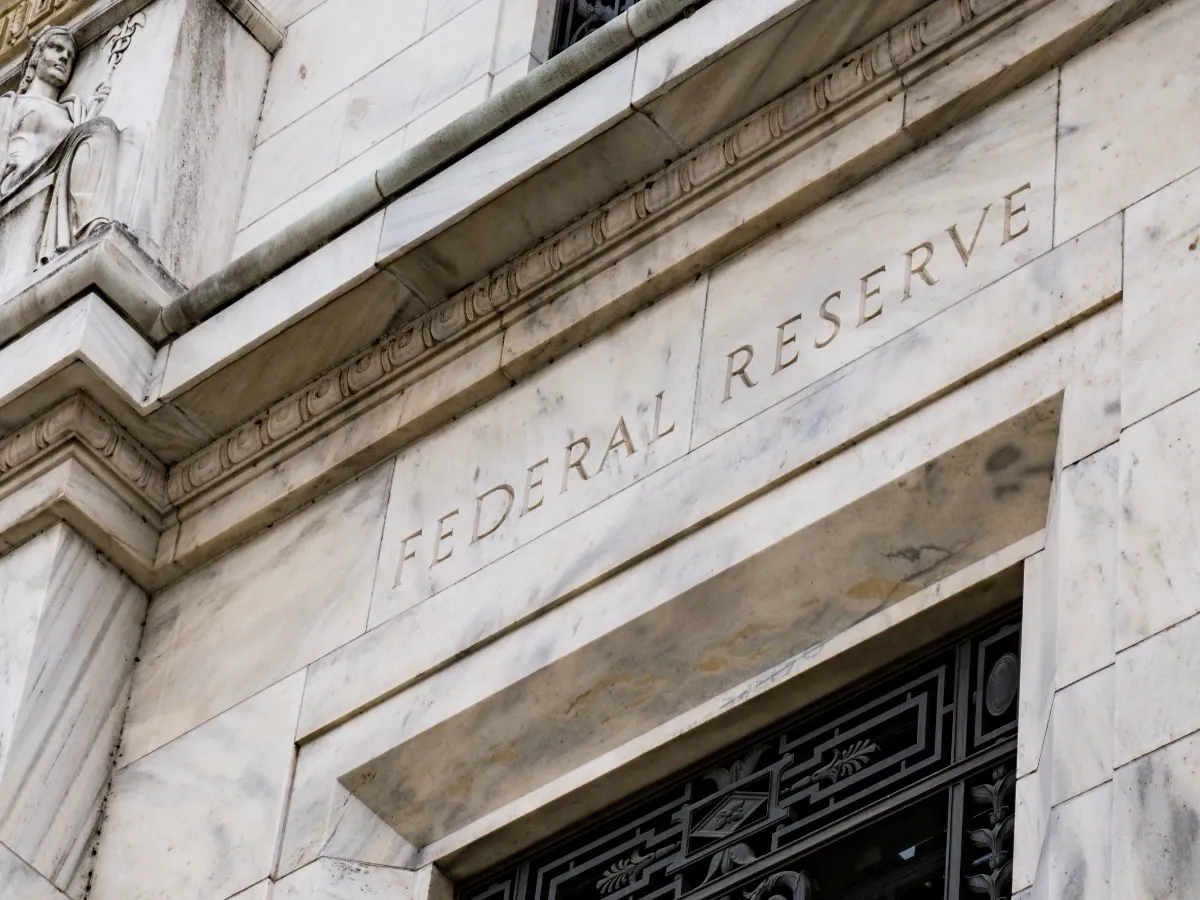
US Federal Reserve is set to announce its July 2026 policy meeting outcome on Wednesday, July 29.
As per the schedule, the US Federal Reserve’s Federal Open Market Committee (FOMC) started their two day meeting on Tuesday, July 28, and is set to end on Wednesday, July 29, after which the central bank will release the outcome at 2:00 pm (ET).
The July monetary policy meeting will mark newly appointed Chairman Kevin Warsh’s second FOMC meeting after he was sworn in back in May 2026. In the June policy meeting, Warsh-led committee kept the interest rates unchanged at its previous level.
Warsh is focused on maintaining the US Fed's dual mandate of delivering price stability while generating maximum employment for the US economy.
Where to watch US Fed meeting outcome?
The US Fed’s Federal Open Market Committee (FOMC) is set to announce the outcome of its two-day policy meeting at 2:00 pm (ET) on July 29, which will be 11:30 pm (IST) for people in India.
The press release outcome will be followed by a press conference starting from 2:30 pm (ET), which is 12:00 am (IST) on Wednesday’s midnight.
Investors who are interested to watch the US Federal Reserve Chairman, Kevin Warsh’s press conference will be able to tune in to the live telecast on the central bank’s official website or the official YouTube channel.
Is US Fed likely to raise interest rates?
US-based exchange operator, CME Group’s FedWatch data, suggests that the market experts predict that there is a 68.5% probability of the Federal Reserve keeping the key benchmark interest rates for the US economy unchanged at the current range of 3.50% to 3.75%.
The data further showed that there is a 31.5% probability that the US Fed’s FOMC will increase the interest rates to the range of 3.75% to 4.00% in the meeting outcome which is set to be released on July 29.
Experts remain divided on whether or not the US Federal Reserve will raise its interest rates this time. However, analysts predict a 25 basis point rate hike at least once in the calendar year 2026.
Key focus will also remain on the global crude oil prices, the escalations in West Asia, and impact of the same on the US economy and the domestic inflation of the country.
Economic data recap
US Bureau of Labour Statistics data showed that although the US retail inflation declined in June 2026, the rate still remains at an elevated level above the 2% target range.
The US CPI inflation declined to 3.5% in the 12 months ending June 2026, from its earlier 4.2% levels in May 2026, according to the official data.
US inflation has been on an upward trend amid the rising cost of energy sources and higher import costs since the beginning of the US-Iran conflict in West Asia.
“The committee will deliver price stability,” said the FOMC in its previous policy meeting.
Labour Bureau data also showed that the total nonfarm payroll employment increased by 57,000 in June 2026, with gains in sectors like professional and business services, social assistance, and healthcare.
While the unemployment rate in the United States declined to 4.2% in June 2026 from 4.3% last in the previous month.
US Fed June policy outcome
On June 17, the US Fed decided to keep the key benchmark interest rates for the US economy unchanged at the range of 3.5% to 3.75% due to the West Asia crisis supply shock, elevated inflation above 2% target range and job growth in the US economy.
“The Committee decided to maintain the target range for the federal funds rate at 3-1/2 to 3-3/4%, in support of the Federal Reserve's dual mandate. The Committee reaffirmed its policy of maintaining ample reserves in the banking system,” as per the FOMC statement.
All 12 members of the committee voted unanimously towards keeping the interest rates unchanged at current levels, marking a first time since an earlier FOMC meeting back in 2024.
The central bank cited inflation remaining above the 2% target level due to the supply shocks that have driven price increases in certain sectors, including energy, which in turn prompted the rate hold move.
Related News

About The Author
Next Story

