
Market News
NIFTY50 set for strong earnings momentum in H2; impact of AI on IT misunderstood: Pankaj Murarka

5 min read | Updated on June 13, 2026, 12:24 IST


SUMMARY
Earnings for Q4 have been mixed but largely in line with expectations. Domestic-facing sectors such as financials, capital goods, telecom, and consumption have performed relatively well, said Pankaj Murarka, Founder & CIO, Renaissance Investment Managers, and Founder, AdvisorAlpha.
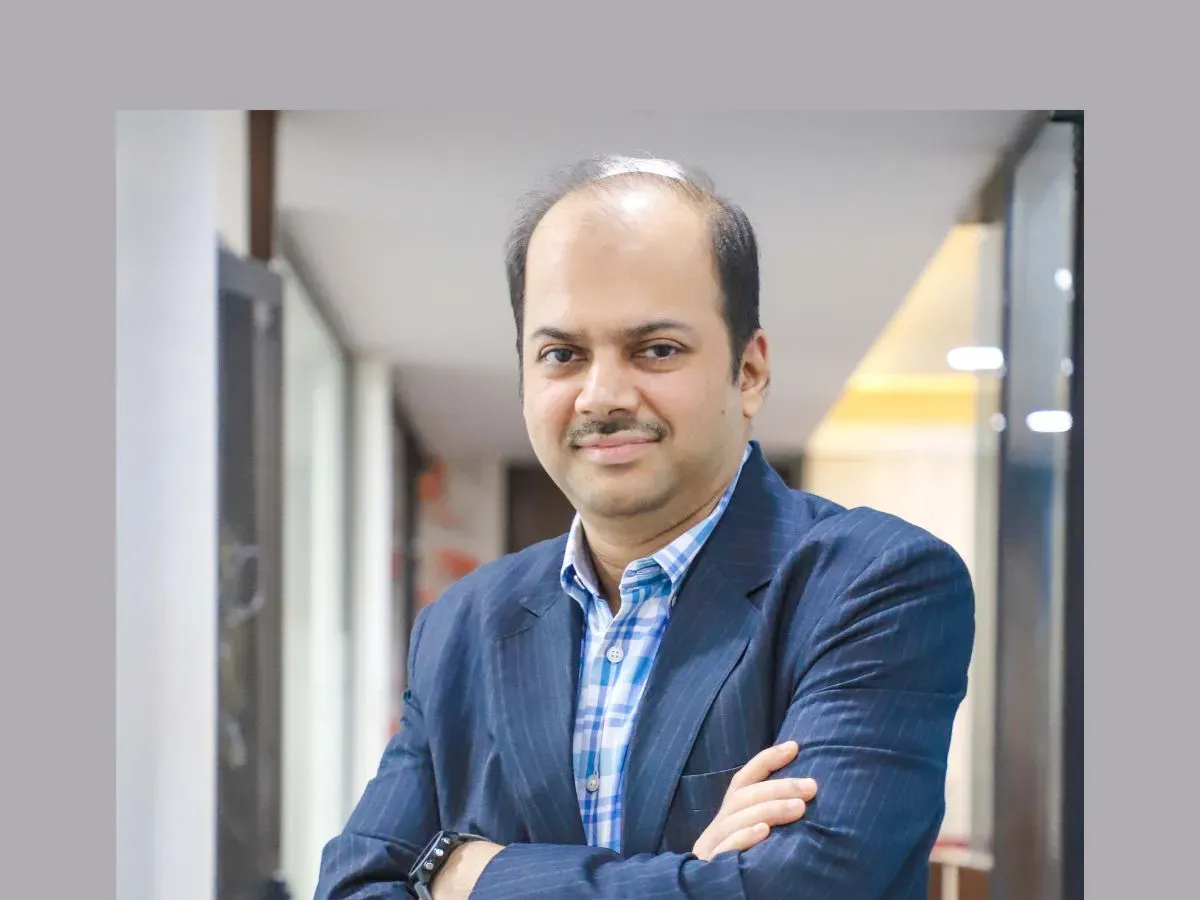
Pankaj Murarka, Chief Investment Officer and Founder of Renaissance Investment Managers.
Furthermore, Murarka noted that the impact of AI on the IT sector is “misunderstood,” and while AI is impacting the current businesses of IT companies, it is also creating new opportunities.
Earnings for Q4 have been mixed but largely in line with expectations. Domestic-facing sectors such as financials, capital goods, telecom, and consumption have performed relatively well, while IT and export-oriented sectors remain under pressure amid concerns of global slowdown.
For Q1 FY27, we expect a gradual improvement supported by government spending, stable domestic demand, and likely rural recovery. However, high crude prices and global uncertainty may continue to keep margins under pressure. Earnings will remain on moderate growth in H1 FY27, with a likely pick up in the second half (H2 FY27).
At the aggregate level, NIFTY50 earnings growth has moderated to a single digit for the last five quarters, and that trend will persist in the H1 FY27 as energy cost inflation is passed through to the consumers with gradual price increases, but on the flip side, that sets up for a strong earnings momentum in H2 FY27.
I believe the AI fear is grossly overstated in the near term. The impact of AI on the IT sector is misunderstood, and while AI is impacting the current business of IT companies, it is also creating significant new business opportunities.
AI will definitely change the industry, but Indian IT companies have adapted well to every major tech shift in the past.
Currently, slower global tech spending is a bigger issue than AI disruption itself. Valuations have corrected meaningfully, and any improvement in global demand could support a recovery in the sector. In the medium term, as AI adoption increases, IT services companies will be a big beneficiary of the same.
In the near term, higher duties may impact demand and put some pressure on margins. However, over the long term, organised jewellery companies could benefit as the sector becomes more formalised and consumers continue shifting towards trusted branded players.
Going by experience, higher duties do suppress demand in the short term, but demand eventually comes back. Furthermore, Jewellery retailers focus more on recycling gold and lightweight jewellery during such periods to mitigate the impact on the business.
We remain positive on financials, capital goods, manufacturing, healthcare, and premium consumption themes.
On the risk side, investors should watch crude oil prices, geopolitical tensions, global growth slowdown, and interest rate movements closely. The underlying growth remains resilient, though higher oil prices do create short-term headwinds.
While higher crude prices are positive for upstream companies, they can create pressure for oil marketing companies if margins are squeezed.
From a macro perspective, elevated oil prices are a concern for India as they impact inflation and overall consumption sentiment. So, investors should remain selective within the sector.
Financial Services, Capital Goods & Infrastructure, Internet & IT Services, Pharma & Healthcare, and Consumption & Retail are five sectors that continue to benefit from India’s long-term structural growth story.
Related News

About The Author
Next Story

