
Market News
Gold and silver price rally up to 20% from recent lows: Dead cat bounce or structural bottom?

4 min read | Updated on August 11, 2026, 15:44 IST


SUMMARY
Crude oil prices have held their YTD gains at nearly 44%, fueling inflation worries across the globe. On the other hand, stretched fiscal imbalances in the balance sheets of developed economies like the US add more worries for global financial stability.
Precious metal spot gold and silver prices soared as much as 20% in five trading sessions.
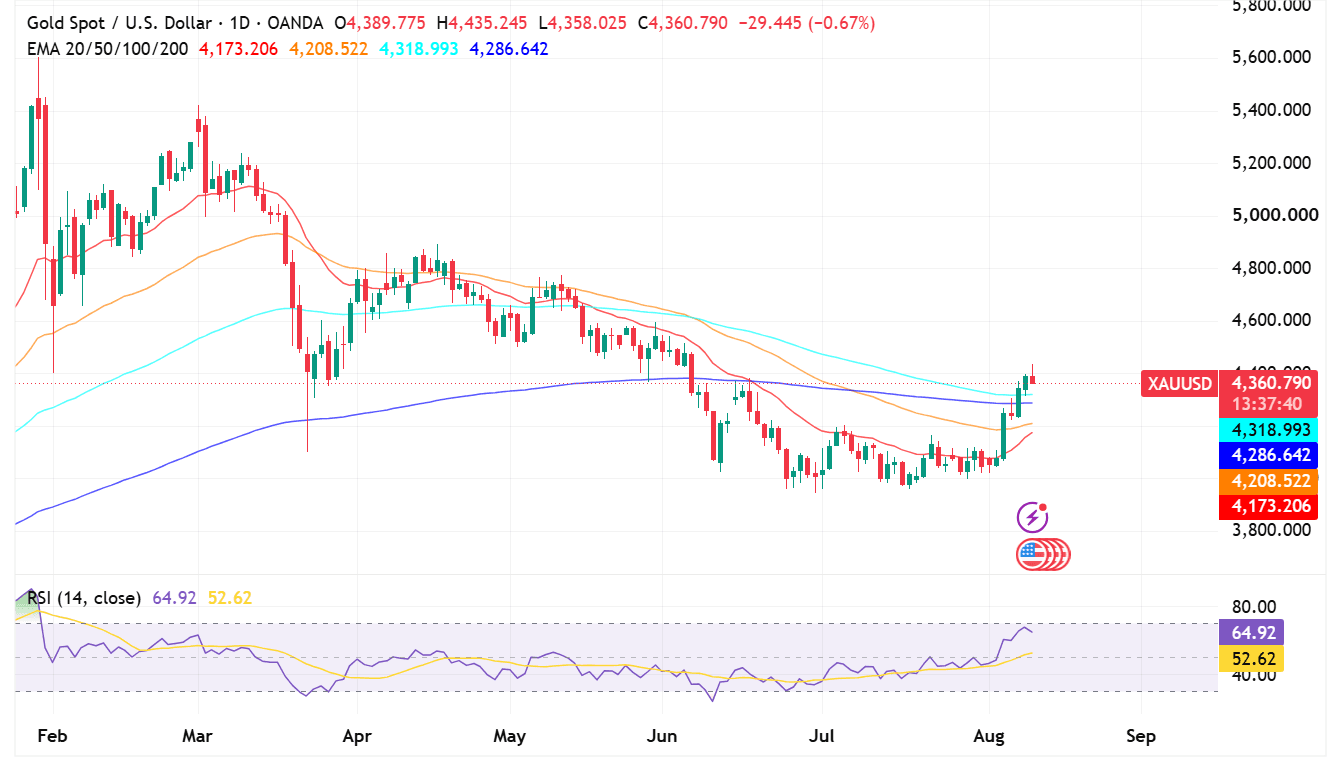
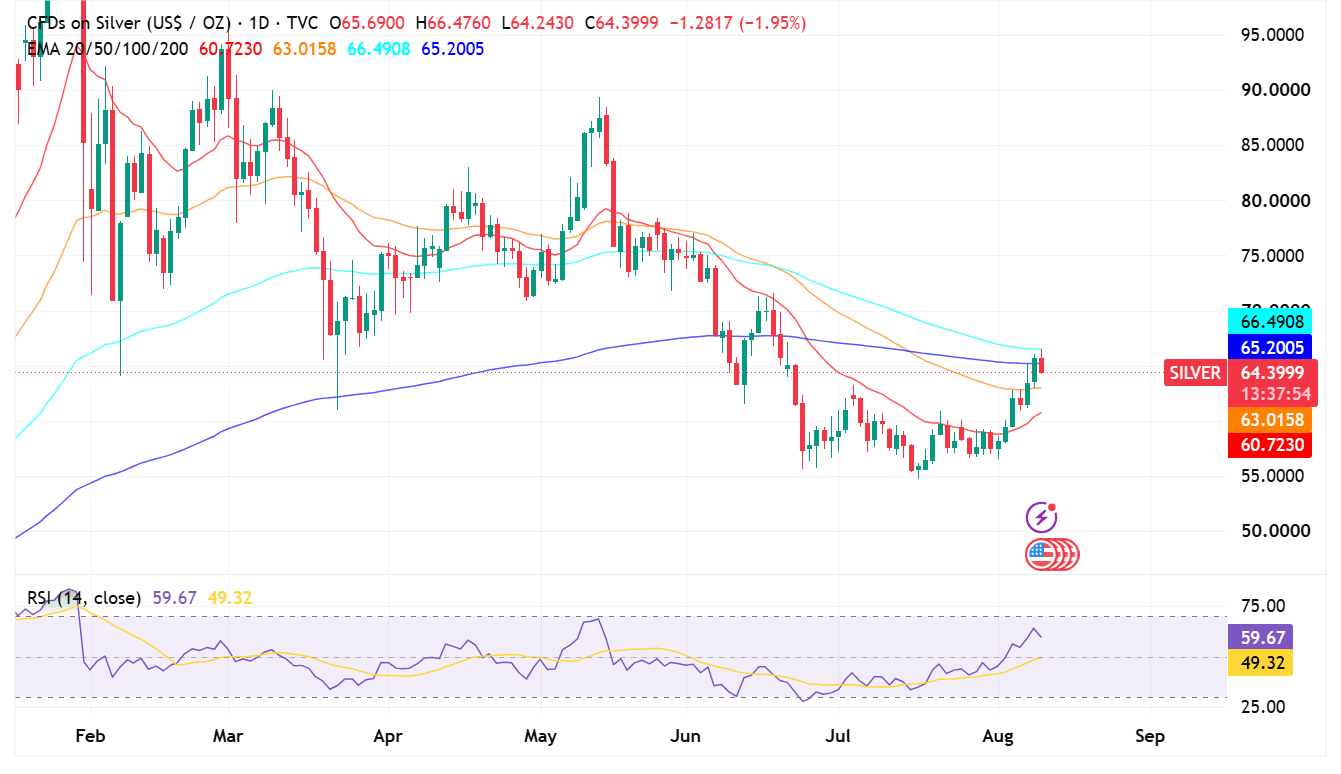
The precious metal prices are back in trend as the gold price crosses the $4,400 per ounce mark for the first time in three months, recouping nearly ~13% from the recent lows touched in end of June 2026 (30th June) at $3,942 per ounce. Similarly, silver prices have bounced back over ~20% from the recent low touched in mid-July (17th July) at $54.7 per oz. The rebound from near-term lows indicates an evolving macroeconomic scenario in the US and other developed economies.
Crude oil prices have held their YTD gains at nearly 44%, fueling inflation worries across the globe. On the other hand, stretched fiscal imbalances in the balance sheets of developed economies like the US add more worries for global financial stability. Is the rebound in gold and silver prices a short bounce back, or a part of a long-term bottoming-out phase, before touching the record high levels again? Let’s find out.
What do charts indicate?
The daily charts indicate a phase of bottoming out in the gold price chart. The prices have defended the long-term moving averages like 200-EMA for three consecutive sessions, indicating a reversal in the broader trend for gold prices. Similarly, the probability of a golden crossover also remains high as the short-term moving average of 20-EMA could cross 50-EMA and 200-EMA from below, creating a favourable environment for bouncing back in the short-term as well. However, the daily RSI of 65 indicates some cautiousness at the current levels, after prices have rallied nearly 10% in the past few trading sessions.
Daily charts of silver also show a similar status of a bottoming-out phase and an impending bounce back. Silver prices hover near 200-EMA levels of $65 per oz and show a potential golden crossover with 20-EMA crossing 50-EMA and 200-EMA on the daily charts. The RSI remains in bullish territory at 59, and an ADX of 27 suggests a strong trending environment for silver in the near-term.
Let's look at the factors driving the recent rally in gold and silver prices.
Macroeconomic disruptions
The latest bounce back on precious metals is driven by macroeconomic factors, indicating souring investor confidence in fiscal management in the developed economies. The single most crucial factor remains rising inflation expectations. Persistent tensions in the Middle East, with disrupted Strait of Hormuz transport, have kept oil prices elevated for a longer period, aiding higher inflation expectations for longer.
Falling real yields
The treasury yields and precious metal prices have an inverse relationship in a theoretical sense. In the current scenario, that inverse relationship is distorted by macroeconomic disruptions at the fiscal end. Currently, rising bond yields are also accompanied by rising inflation expectations, which leaves suppressed real yields (nominal yields-inflation expectations). If real yields fall, despite rising bond yields, investors add gold and silver as a hedge against inflation, leading to a sudden rally in the precious metals.
Unwinding of yen carry trade
Not just the US, but Japanese long-term bond yields are also witnessing a spike, prompting global investors to reduce their positions in Japanese assets. For long, investors have benefited from nearly zero-interest rates in Japan and borrowed at effectively cheap rates to invest in high-yielding assets like global equities and bonds. However, as inflation fears cloud over the Japanese economy, the central bankers sound cautious over the situation. Bank of Japan recently warned of growing risks of accelerated inflation in its July meeting, with one board member suggesting increasing the pace of rate hikes.
The expectations of a rate hike in the September meeting have led to unwinding of carry trade positions in Japan. That means global investors will have to sell their US Treasury bonds to repay the loan in Japan, leading to a sharp spike in US Treasury yields. The volatility in currency and increasing risks of fiscal imbalance force investors to add precious metals like gold and silver to their kitty, which are less affected by currency volatility.
About The Author
Next Story

