Business News
Work-from-home, fuel rationing, price hikes: How Pakistan, Bangladesh and Sri Lanka are coping with oil shock
.png)
4 min read | Updated on March 11, 2026, 13:34 IST


SUMMARY
An escalating energy crisis in South Asia has followed Iran’s effective halt of shipping through the Strait of Hormuz, after attacks on vessels in retaliation for joint United States and Israel strikes.
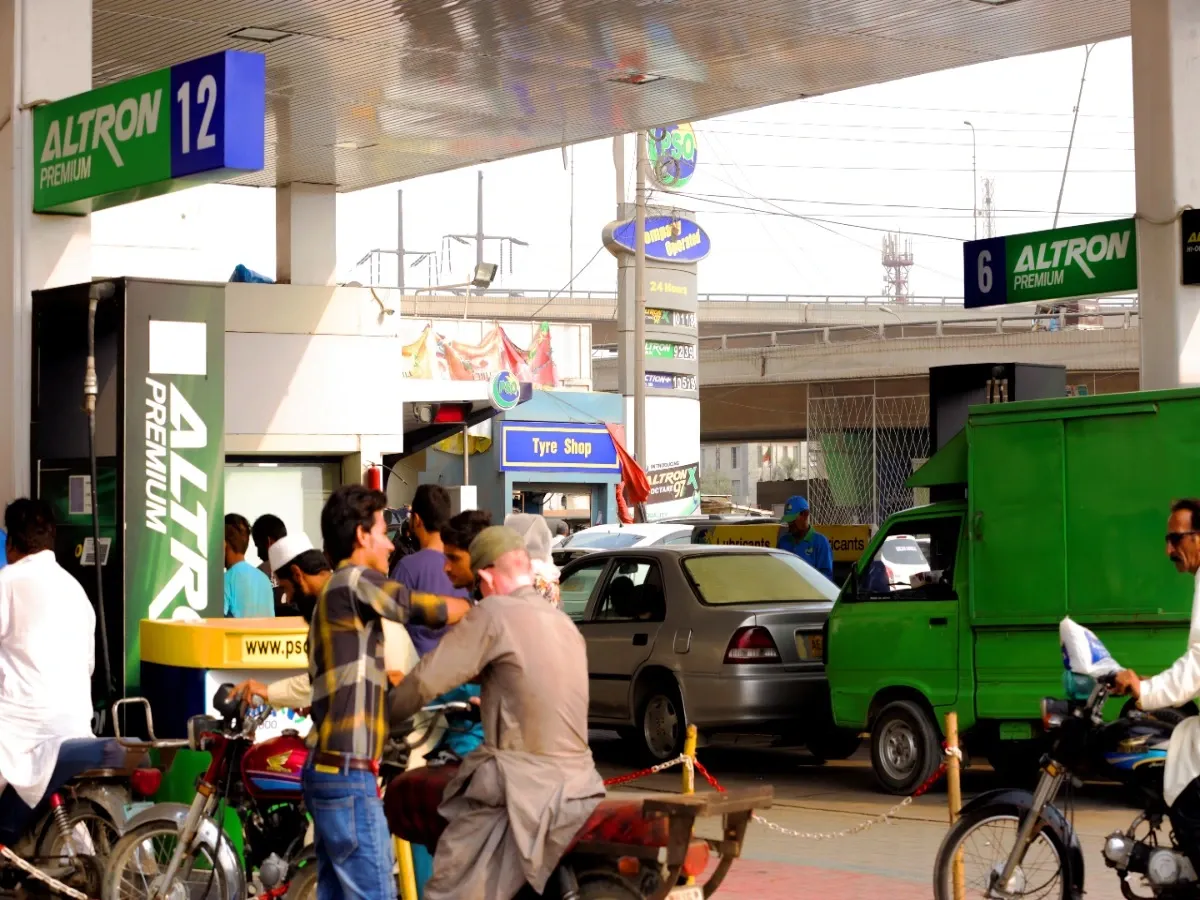
In Pakistan, Prime Minister Shehbaz Sharif announced austerity steps including a four-day work week. Image: Shutterstock
The energy crisis in South Asia has intensified after Iran effectively halted shipping through the Strait of Hormuz following attacks on vessels in retaliation for joint US-Israel strikes, disrupting a critical chokepoint through which about one-fifth of the world’s oil trade passes.
Energy-import dependent nations such as Pakistan, Bangladesh and Sri Lanka have begun implementing emergency measures to conserve fuel and stabilise supplies amid rising global crude prices and panic buying.
Pakistan introduces WFH
Pakistan announced a slew of measures to offset the impact, including a four-day work week and work-from-home arrangements for half of the workforce.
Prime Minister Shehbaz Sharif said the government had decided that 50% of employees in both public and private sectors would work remotely, while offices would operate only four days a week to reduce fuel consumption.
He, however, said that banks and key industries will be exempted from these new restrictions.
The government has also cut fuel allocations for government vehicles by 50% for the next two months, while 60% of government vehicles will remain off the roads during the period.
He said that expenses of all government departments will be reduced by 20% and there will be a ban on the purchase of cars, air conditioning systems and other luxury items.
Cabinet ministers will forgo salaries for two months, salaries of parliamentarians will be reduced by 25%, and senior government officials drawing over Rs 300,000 monthly will surrender two days’ salary as part of austerity measures.
Sharif also banned holding government-related seminars at hotels and instead ordered that such events should be held in public buildings.
The prime minister warned owners of filling stations that strict action will be taken in case of hoarding and any other illegal practices.
In Punjab province, the regional government has ordered the closure of all public and private educational institutions until March 31 and directed government offices to adopt work-from-home policies to conserve fuel.
Bangladesh curbs travel, limits fuel sales
Bangladesh has asked citizens to minimise “unnecessary travel” and introduced daily limits on fuel sales following panic buying at filling stations in Dhaka.
The government has also ordered the closure of public and private universities as part of efforts to reduce fuel consumption during the crisis.
At the same time, Dhaka has begun receiving diesel supplies from India through the Bangladesh-India Friendship Pipeline.
Bangladesh Petroleum Corporation said the country started receiving an initial 5,000 tonnes of diesel from Numaligarh Refinery in Assam at the Parbatipur depot in Dinajpur, pumping about 113 tonnes of fuel per hour.
The supply forms part of a long-term arrangement under which India is scheduled to supply 180,000 tonnes of diesel annually through the pipeline.
Bangladesh, which imports nearly 95% of its oil and gas needs, has also sought additional diesel supplies from India to strengthen reserves amid the crisis.
It is learnt that India has not made any decision on the request by Bangladesh Petroleum Corporation (BPC) to provide an additional 5,000 tonnes of diesel from Numaligarh refinery in Assam, reported PTI.
Dhaka's request for additional diesel supplies will be considered in the context of market conditions and availability, the report said, citing people familiar with the matter.
Sri Lanka raises fuel prices
Sri Lanka has opted to raise retail fuel prices by more than 8% to curb panic buying and hoarding.
The state-run Ceylon Petroleum Corporation (CPC) increased the prices of petrol and diesel by 22 Sri Lankan rupees per litre with effect from midnight Monday.
The price revision comes as global crude oil prices crossed USD 100 per barrel for the first time in four years following escalating tensions in West Asia.
The CPC said Sri Lanka currently has sufficient fuel stocks to last until the end of April.
About The Author
Next Story