Business News
Will gold duty hike cut imports? Jewellery industry disagrees, suggests alternatives
.png)
3 min read | Updated on May 13, 2026, 14:29 IST


SUMMARY
Gem and Jewellery Export Promotion Council (GJEPC) has warned that the government’s decision to raise gold and silver import duties to 15% is unlikely to reduce bullion imports.
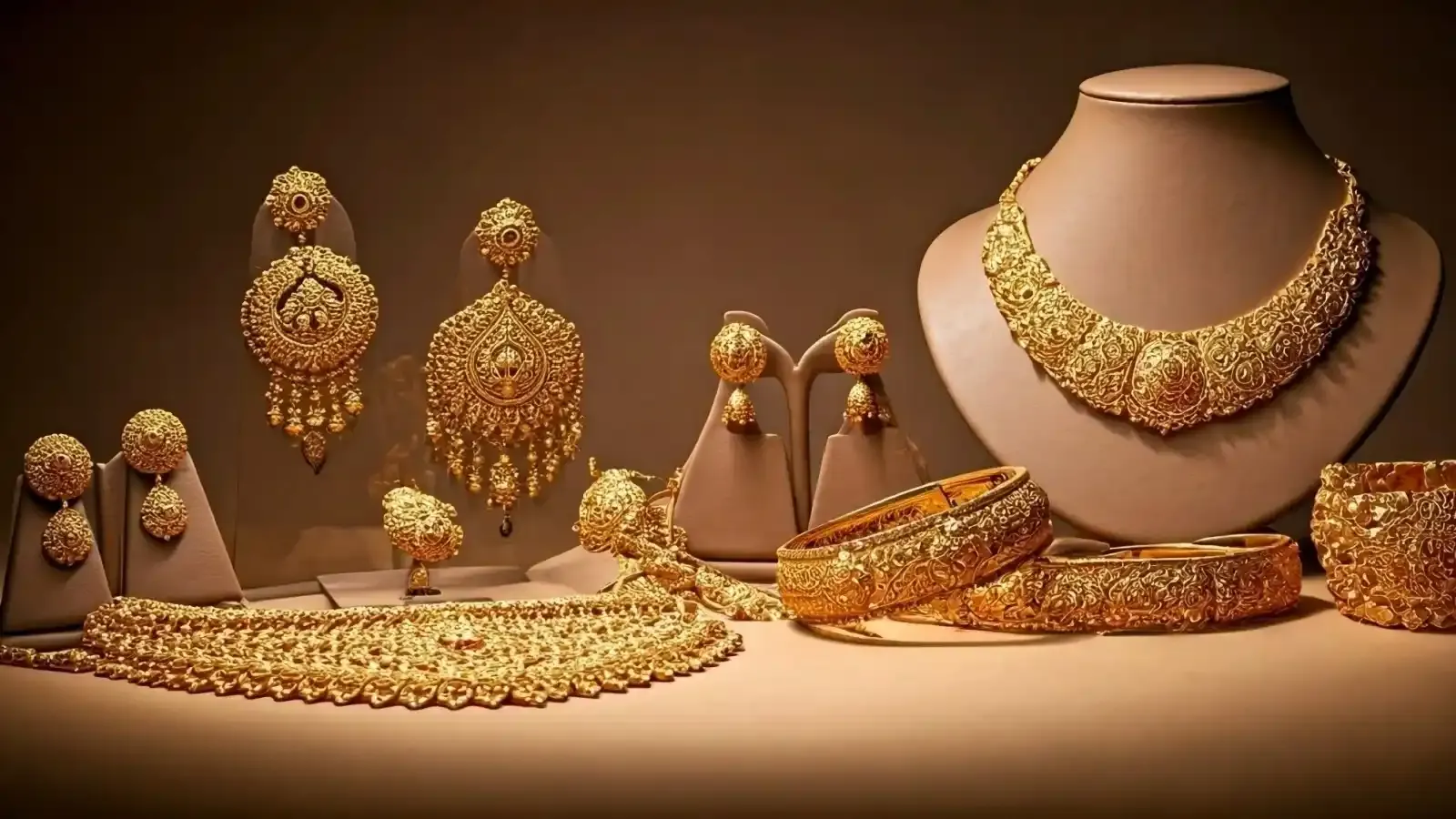
The council proposed alternative measures to reduce imports without damaging the industry, including promoting lower-carat jewellery and reviving the Gold Monetisation Scheme.
Gold import duty hikes are unlikely to curb bullion inflows into India and may instead push up prices, encourage smuggling and worsen liquidity pressures for small jewellery manufacturers, the Gem and Jewellery Export Promotion Council (GJEPC) said on Wednesday.
The industry body's remarks came after the government raised import duties on gold and silver to 15% from Wednesday, as part of efforts to conserve foreign exchange amid a widening import bill triggered by the West Asia crisis.
"Hiking import duties rarely curbs gold imports, it merely inflates prices. Despite gold prices doubling recently, imports have not declined proportionally," GJEPC said in a statement.
The council said higher duties tend to fuel illegal inflows while increasing costs for exporters and manufacturers.
According to GJEPC, exporters sourcing duty-free gold from nominated agencies are now required to furnish bank guarantees of ₹28-30 lakh for every kilogram of gold, severely blocking working capital.
It warned that the sharpest impact would be felt by micro, small and medium enterprises (MSMEs), which account for around 80% of its membership and are already facing a "critical liquidity crunch".
Under the revised structure, the government has increased the basic customs duty on gold to 10% from 5% and the Agriculture Infrastructure and Development Cess (AIDC) to 5% from 1%, taking the total import levy to 15%.
The move follows Prime Minister Narendra Modi's recent appeal to households to postpone gold purchases and reduce discretionary foreign exchange spending, including overseas travel.
The latest increase effectively restores the duty level that was in place in 2022, when the government had raised the tax to 15% to contain the current account deficit and support the rupee following the outbreak of the Russia-Ukraine conflict.
In the Union Budget for 2024-25, the government had reduced the import duty to 6% to support the domestic gems and jewellery industry, lower local prices and discourage smuggling.
Industry suggests alternatives
Acknowledging the government's concerns over rising imports, GJEPC said it has convened meetings with major retailers and manufacturers and written to Prime Minister Modi on ways to reduce bullion demand without hurting the sector.
The council has suggested promoting lower-carat jewellery such as 18-karat and 14-karat products, which it estimates could cut imports by 20-30%, encouraging exchange of old jewellery, reviving the Gold Monetisation Scheme to mobilise part of India's estimated 25,000 tonnes of household gold stock, and discouraging investment demand in bars, billets and coins, which account for 20-30% of total imports.
The council also sought special incentives for jewellery exporters and said it is preparing a detailed proposal to revitalise the Gold Monetisation Scheme.
"GJEPC urges the government to engage in dialogue for sustainable solutions that align fiscal goals with export growth," it said.
Gold import bill hits record high
India is the world's second-largest gold consumer after China and imports most of its bullion needs to meet demand from the jewellery sector.
Gold imports rose 24% to a record USD 71.98 billion in 2025-26, even though import volumes declined 4.76% to 721.03 tonnes, reflecting a sharp rise in international prices.
The average price of imported gold increased to USD 99,825.38 per kg in FY26 from USD 76,617.48 per kg in the previous fiscal.
In the domestic market, gold prices in New Delhi climbed to ₹162,070 per 10 grams on Wednesday, while silver rose to ₹295,720 per kilogram.
About The Author
Next Story