
Business News
Why IndiGo wants India's pilot duty rules reviewed: 'Every little cent matters'
.png)
4 min read | Updated on July 31, 2026, 14:35 IST


SUMMARY
The revised FDTL norms, introduced in November 2025 to reduce pilot fatigue, led to significant operational disruptions at IndiGo, resulting in over 5,000 flight cancellations.
Stock list
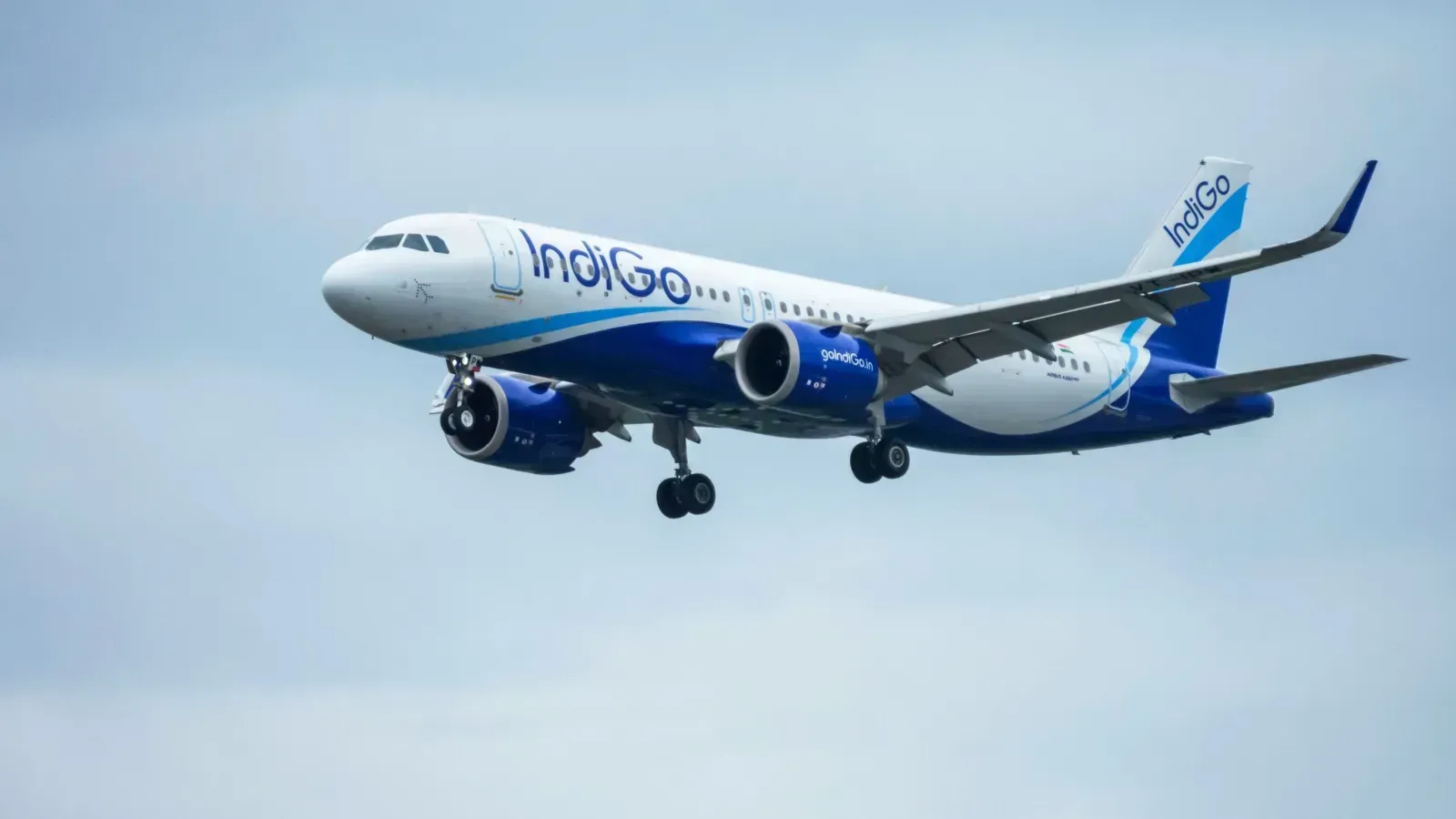
IndiGo acknowledged in its annual report that the new crew rostering rules contributed to delays, cancellations, and execution challenges during the peak travel season.
IndiGo Managing Director Rahul Bhatia has called for a review of India's pilot Flight Duty Time Limitations (FDTL), saying the current rules have increased airline costs and made the country's aviation sector less competitive compared to global peers.
In an interview with PTI, Bhatia said the airline was not seeking any dilution of safety standards but wanted India's regulations to be aligned with international best practices.
"I think Flight Duty Time Limitations (FDTL) needs a review, and I think there's enough conversation going on with the government. All we want to do is appeal to the government that we must follow the global best practices," he said.
What changes did revised FDTL rules introduce?
The Directorate General of Civil Aviation (DGCA) implemented the revised FDTL norms in phases last year to reduce pilot fatigue.
The rules, which came into force in November 2025, increased mandatory weekly rest from 36 hours to 48 hours, capped night flying by limiting night duty and the number of night landings, and revised duty period calculations to better account for circadian rhythm and fatigue.
Impact on IndiGo's operations
The rollout of the new norms led to widespread operational disruptions at IndiGo during last year's peak travel season.
The airline cancelled more than 5,000 flights in December, prompting the DGCA to impose a record penalty of ₹22.2 crore.
According to the regulator, the disruptions were caused due to inadequate flight crew management, insufficient operational buffers and shortcomings in planning, systems and operational control.
It later granted IndiGo temporary exemptions from certain FDTL requirements until February 10.
The Competition Commission of India (CCI) ordered a detailed investigation into IndiGo, observing that the large-scale cancellations may have amounted to withholding services from the market and creating artificial scarcity during a period of high demand.
The watchdog said the airline's dominant market position left many passengers with limited alternatives and forced them to accept higher fares after last-minute cancellations.
Why does IndiGo want the rules reviewed?
Recalling the period, Bhatia said, "We were in the eye of the storm" during the implementation of the new rules.
"So when you come up with a policy where the productivity in the cockpit diminishes to the extent it has, it makes Indian aviation uncompetitive. It directly impacts the cost structure," he said.
He stressed that the airline was not arguing for lower safety standards.
"If India wants to compete with the world, then one cannot have FDTL regulations that are so far off the mark from global benchmarks that it actually drives a deep wedge into your efficiency," Bhatia said.
Describing aviation as a "fine margin" business, he argued that countries with different duty time regulations were not necessarily compromising on safety.
"It would be unfair for us to say that the FDTL regulations... in the US is less safe than the FDTL regulations in India," he said.
According to Bhatia, every cost matters in the airline business.
"Every little cent matters," he said, adding that reduced cockpit productivity inevitably feeds into operating costs.
However, pilots' body Airline Pilots' Association of India (ALPA India) has opposed any move to revisit the norms, saying the existing rest requirements represent the accepted minimum safety standards.
The association rejected the suggestion that fatigue rules were responsible for pilot shortages or airlines' increasing dependence on expatriate pilots, contending that those issues stemmed from anti-competitive practices within the industry rather than the regulations.
IndiGo itself acknowledged the impact of the revised rules in its 2025-26 annual report released this week, saying the new crew rostering requirements created execution challenges during a peak travel period and contributed to delays, service disruptions and cancellations.
At the end of March 2026, IndiGo had 41,907 employees, including 5,786 pilots and 11,203 cabin crew. The airline operates more than 2,100 flights daily with a fleet of over 400 aircraft.
About The Author
Next Story

