
Business News
Using E20 in your pre-2023 vehicle? Here's what govt said about damage concerns
.png)
4 min read | Updated on July 31, 2026, 09:11 IST


SUMMARY
The Ministry of Petroleum and Natural Gas said India's transition to higher ethanol blending has been supported by scientific studies, real-world operating data, automobile manufacturers' service records and industry consultations.
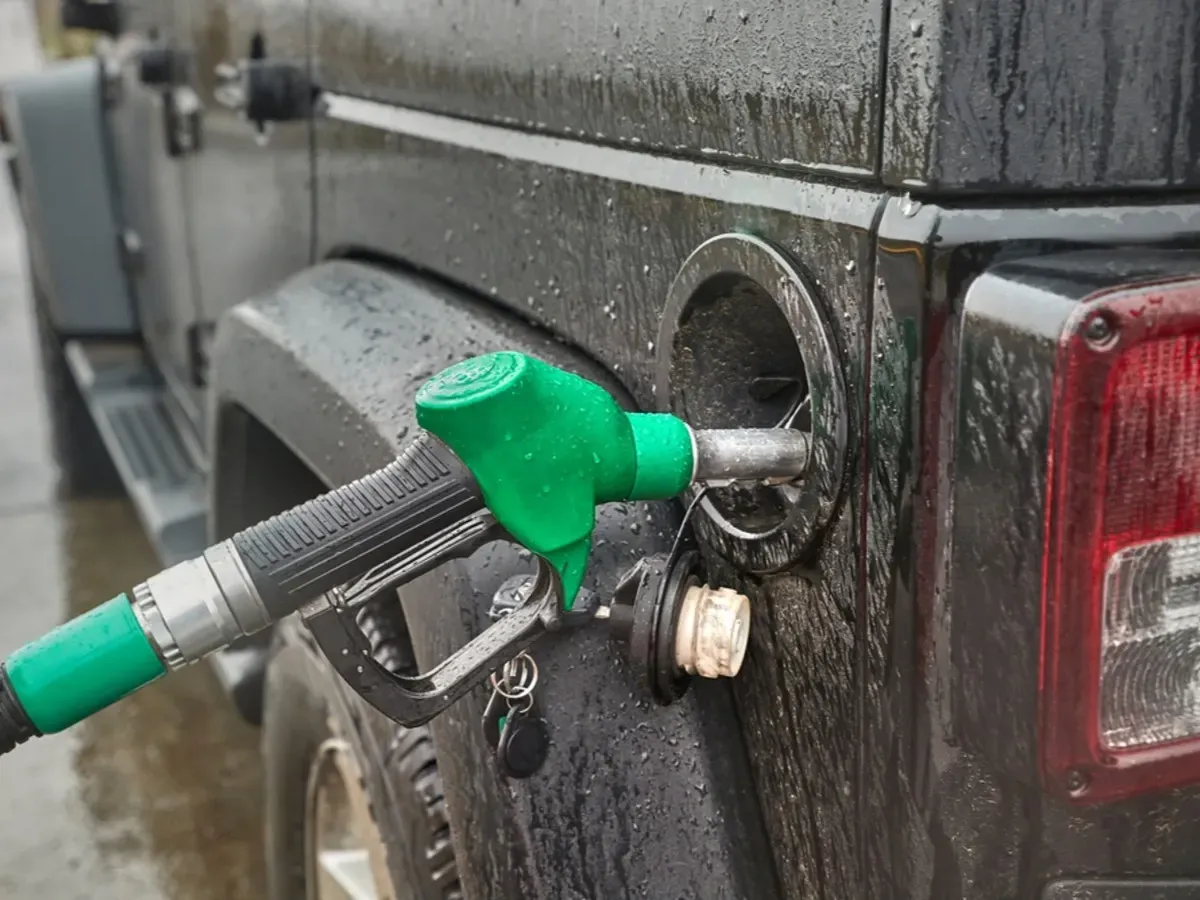
Government-backed studies claim only a marginal 1–6% drop in fuel efficiency, with minimal risk of corrosion in E20-compatible vehicles.
The government on Thursday reiterated that there is no verified evidence of widespread engine damage or vehicle breakdowns caused by E20 fuel, including in older vehicles.
In a detailed clarification, the Ministry of Petroleum and Natural Gas said the country's phased transition to higher ethanol blending has been backed by scientific validation, extensive field experience, automobile manufacturers' service data and consultations with industry stakeholders.
The ministry said E15-plus fuel has been in widespread use for more than three-and-a-half years, while E19-E20 fuel has been available for over two-and-a-half years.
"During this period, no verified news of widespread engine failure or vehicle breakdown attributable to ethanol blending has emerged," the ministry said.
“Had ethanol blending been causing systemic damage to engines or fuel systems, such failures would have resulted in large-scale warranty claims, service campaigns and widespread consumer complaints, none of which have been reported,” it added.
The clarification comes amid reports and social media posts questioning the compatibility of E20 fuel with vehicles manufactured before 2023.
Rejecting the claim that pre-2023 vehicles cannot run on E20 petrol, the ministry said a leading automobile manufacturer serviced around 1.5 crore vehicles that were not originally certified as E20-compatible, and found no E20-linked corrosion, abnormal wear or reduction in component life.
The ministry also cited data from another original equipment manufacturer (OEM), which tracked 1.4 crore vehicles operating on E20 over an extended period and found no evidence of ethanol-induced corrosion.
India's ethanol blending programme began with a pilot project in 2001 and introduced E5 petrol in 2006.
Blending levels have since increased in phases from around 1.53% in 2013-14 to 20% during November 2025-June 2026, following expansion of production capacity, infrastructure and regulatory mechanisms.
According to the ministry, around eight crore vehicles visit fuel retail outlets every day, of which nearly 80% are petrol vehicles, providing extensive real-world operating experience.
The ministry also rejected the claim that nearly 30 crore vehicles would become unusable due to E20 fuel, saying over 20 crore two-wheelers and more than three crore petrol cars have already operated on higher ethanol blends without verified evidence of widespread failures.
"If E20 really rendered vehicles unusable, India would have witnessed millions of breakdowns, warranty claims and service campaigns. Nothing of that sort has occurred," it said.
Refuting suggestions that automobile manufacturers privately oppose E20, the ministry referred to a joint press conference held on July 4 where senior executives from Toyota Kirloskar, Maruti Suzuki, Hero MotoCorp, Hyundai Motor India, TVS Motor Company and Bajaj Auto publicly endorsed the programme.
According to the ministry, Maruti Suzuki reported no E20-related corrosion or abnormal wear based on service records of 2.84 crore vehicles and said the impact on fuel economy is generally limited to 3-3.5 per cent.
Hero MotoCorp said its service data showed no higher incidence of vehicle damage in E20-operated two-wheelers, while Toyota Kirloskar said the fuel had been introduced only after rigorous testing based on internationally recognised standards.
The ministry also said studies and manufacturers' assessments indicate that fuel efficiency depends on several factors such as driving habits, traffic conditions, tyre pressure and vehicle maintenance.
For some older vehicles designed for E10 fuel, any reduction in fuel economy is generally limited to 3-5%, it said, adding that E20 offers higher octane rating, cleaner combustion and improved anti-knock characteristics.
The government further rejected allegations that manufacturers were being compelled to support E20 or conceal its effects, saying automobile companies are independent listed entities that remain legally accountable to consumers.
"Manufacturers continue to honour warranties for specification-compliant E20 fuel because they have confidence in the extensive testing that preceded the rollout," the ministry said.
About The Author
Next Story

