
Business News
PV dealers seen growing 10-12% this fiscal on demand, premiumisation: Crisil
.png)
3 min read | Updated on August 21, 2026, 16:09 IST


SUMMARY
Dealers are also benefiting from a growing share of ancillary revenue from insurance, accessories, spares and servicing, which accounted for about 16% of revenues in FY26.
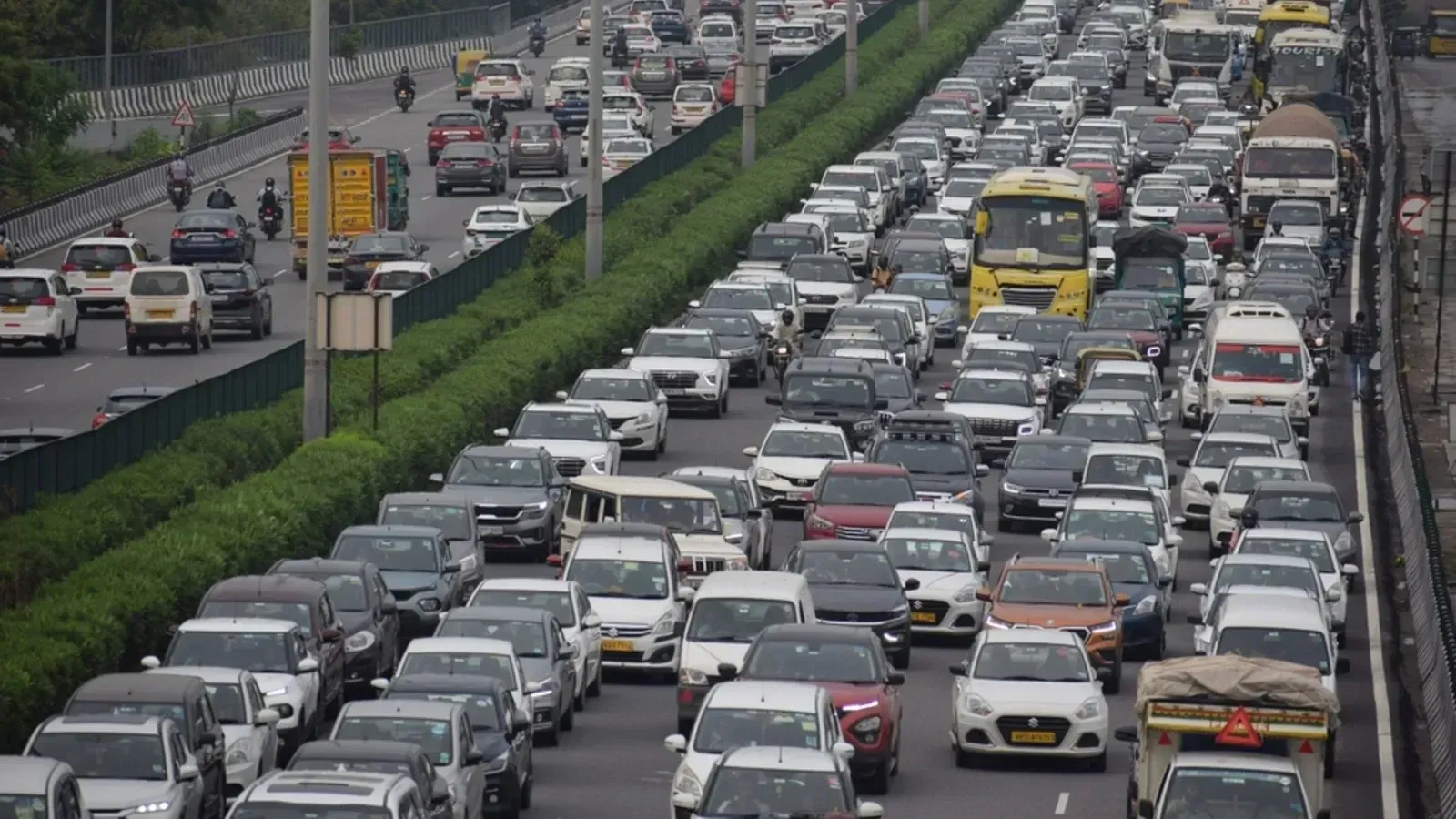
Passenger vehicle volumes are projected to grow 8-10%, driven by rising incomes, lower interest rates, better infrastructure and increasing vehicle ownership.
Indian passenger vehicle dealers are expected to clock 10-12% revenue growth this fiscal, supported by healthy demand, premiumisation and periodic price hikes by automakers, Crisil Ratings said on Friday.
The rating agency's analysis comes after the sector grew 13% last fiscal, with volumes rebounding strongly in the second half following a sluggish first half.
Passenger vehicle volumes are expected to grow 8-10% this fiscal, driven by rising disposable incomes, improving road infrastructure, lower interest rates, increasing vehicle penetration and growing ownership of multiple vehicles, Crisil said.
Rural demand could moderate in the second half due to the potential impact of El Nino and higher fuel prices amid geopolitical tensions in West Asia, but structural drivers are expected to outweigh these pressures this fiscal.
A shift in consumer preference towards sport utility vehicles and larger, feature-rich models, along with periodic price increases by original equipment manufacturers, is expected to raise dealer realisations by 2-3% this fiscal.
"The earnings mix of PV dealers is also improving. Sustained vehicle sales growth has expanded the base for ancillary income from insurance, accessories, spares and servicing," Himank Sharma, director at Crisil Ratings, said.
Ancillary income accounted for around 16% of dealer revenues in fiscal 2026, up about 200 basis points over the past three years, and the share is expected to rise to 17-18% over the medium term, Sharma said.
Operating margins are consequently expected to improve to 3.5-3.7% this fiscal, from an improvement of around 20 basis points last fiscal, Crisil said.
Dealers are also planning sizable capital expenditure over the next two to three years to expand showroom networks and build capabilities for electric vehicles.
Capex intensity, measured as capex relative to EBITDA, is expected to rise to 40-42% this fiscal from an average of 38% over the past three fiscal years.
"While a significant portion of this investment will be debt funded, stronger cash accruals and lower inventory requirements should keep leverage comfortable and credit profiles stable," said Rushabh Borkar, associate director at Crisil Ratings.
Inventory levels declined to 30-35 days as of March 31, 2026, from 50-55 days a year earlier and are expected to remain around 30 days at the end of fiscal 2027.
The agency expects gearing to improve to 1.0-1.1 times in fiscal 2027 from 1.15 times last fiscal, while interest coverage is projected to rise to 3.4-3.5 times from 3.0 times.
“All said, the sector’s fortunes depend strongly on continued buoyancy in PV demand trends, hence sustainability of urban demand and weather-related disruptions impacting rural incomes will remain key monitorable,” Crisil said.
About The Author
Next Story

