
Business News
US-Iran talks make ‘encouraging progress’: Hormuz hotline, Lebanon de-confliction cell agreed

3 min read | Updated on June 22, 2026, 10:04 IST


SUMMARY
The United States and Iran reported "encouraging progress" in high-level talks held in Switzerland under the newly signed MoU, agreeing to establish a committee structure to guide negotiations toward a final agreement within 60 days.
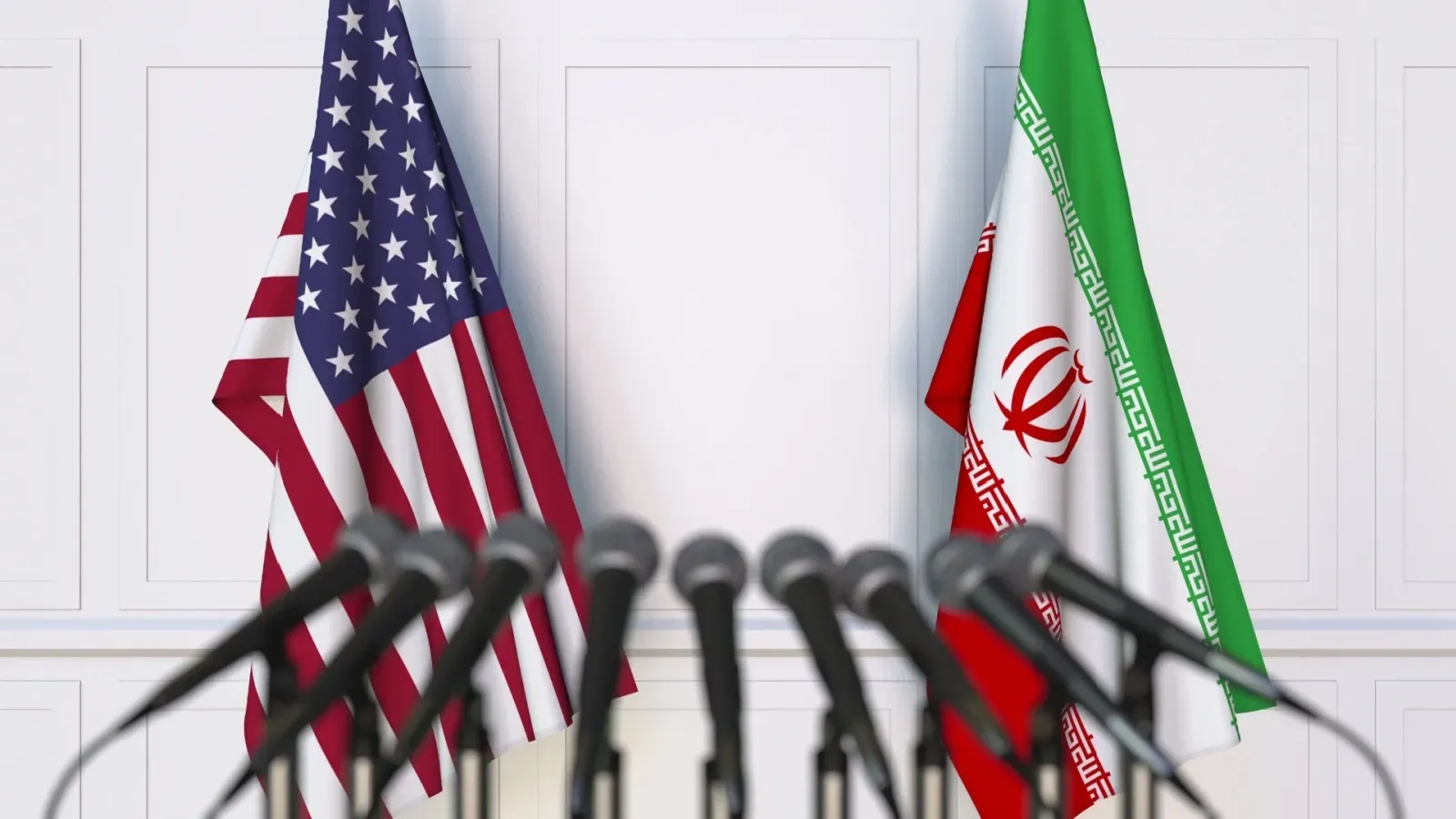
The talks also resulted in a communication channel to prevent misunderstandings and ensure safe commercial navigation through the Strait of Hormuz. Image: Shutterstock
The United States and Iran made “encouraging progress” in high-level talks in Switzerland and agreed to set up a new committee structure to steer negotiations toward a final agreement within 60 days, mediators Qatar and Pakistan said Monday.
The meeting brought together US and Iranian representatives along with the two mediating countries, Qatar and Pakistan.
“The Lake Lucerne Summit was conducted in a positive and constructive atmosphere. Encouraging progress has been made including the creation of a mechanism for further technical talks,” the joint statement said.
The mediators said the parties agreed to establish a High Level Committee to provide political oversight to the negotiations, while chief negotiators will lead working groups on Iran’s nuclear program, sanctions and a monitoring and dispute-resolution mechanism.
The statement said the committee had approved a roadmap for a final deal within 60 days and that technical talks would continue through the week at the Swiss resort.
The mediators also said the parties had opened a communication line aimed at preventing incidents and miscommunication during the 60-day negotiation period, with the goal of ensuring safe passage for commercial vessels through the Strait of Hormuz.
The parties also agreed to create a deconfliction cell involving the United States, Iran and Lebanon to help uphold the halt in military operations in Lebanon under the memorandum.
Iranian Foreign Minister Abbas Araghchi, in a post on X, described the outcome as “major progress” and said the mediation had produced waivers for oil and petrochemical exports, a lifting of the blockade, the release of some frozen Iranian assets and the launch of a reconstruction and development plan for Iran.
He said the “first real test” would be the Lebanon deconfliction cell.
The talks began days after Washington and Tehran signed the memorandum, which laid out a 14-point framework to expand an existing ceasefire and set terms for a comprehensive agreement.
Under the framework, the two sides agreed to halt military operations against one another and respect each other’s sovereignty and territorial integrity.
The memorandum envisions negotiations over Iran’s nuclear program, sanctions relief, shipping through the Strait of Hormuz and access to frozen Iranian assets. It also calls for the United States to begin removing a naval blockade of Iran and ultimately end it within 30 days, while Iran would facilitate safe commercial shipping through Hormuz and work to restore traffic to prewar levels.
Iran reaffirmed that it would not seek nuclear weapons, while both sides agreed to negotiate arrangements for Iran’s stockpile of enriched nuclear material under International Atomic Energy Agency supervision and to discuss future enrichment activities as part of a final accord.
The framework also includes US waivers for Iranian oil exports and financial transactions, and outlines plans for a reconstruction and development package worth at least $300 billion with support from regional partners.
Any final agreement, the memorandum says, would be endorsed through a binding resolution of the UN Security Council.
About The Author
Next Story

