
Business News
US, Iran inch toward peace deal and Hormuz reopening: What we know so far

4 min read | Updated on May 25, 2026, 09:48 IST


SUMMARY
The proposed framework, still under negotiation, reportedly includes reopening the strategically crucial Strait of Hormuz, easing some US sanctions on Iran and launching fresh talks over Tehran’s nuclear programme.
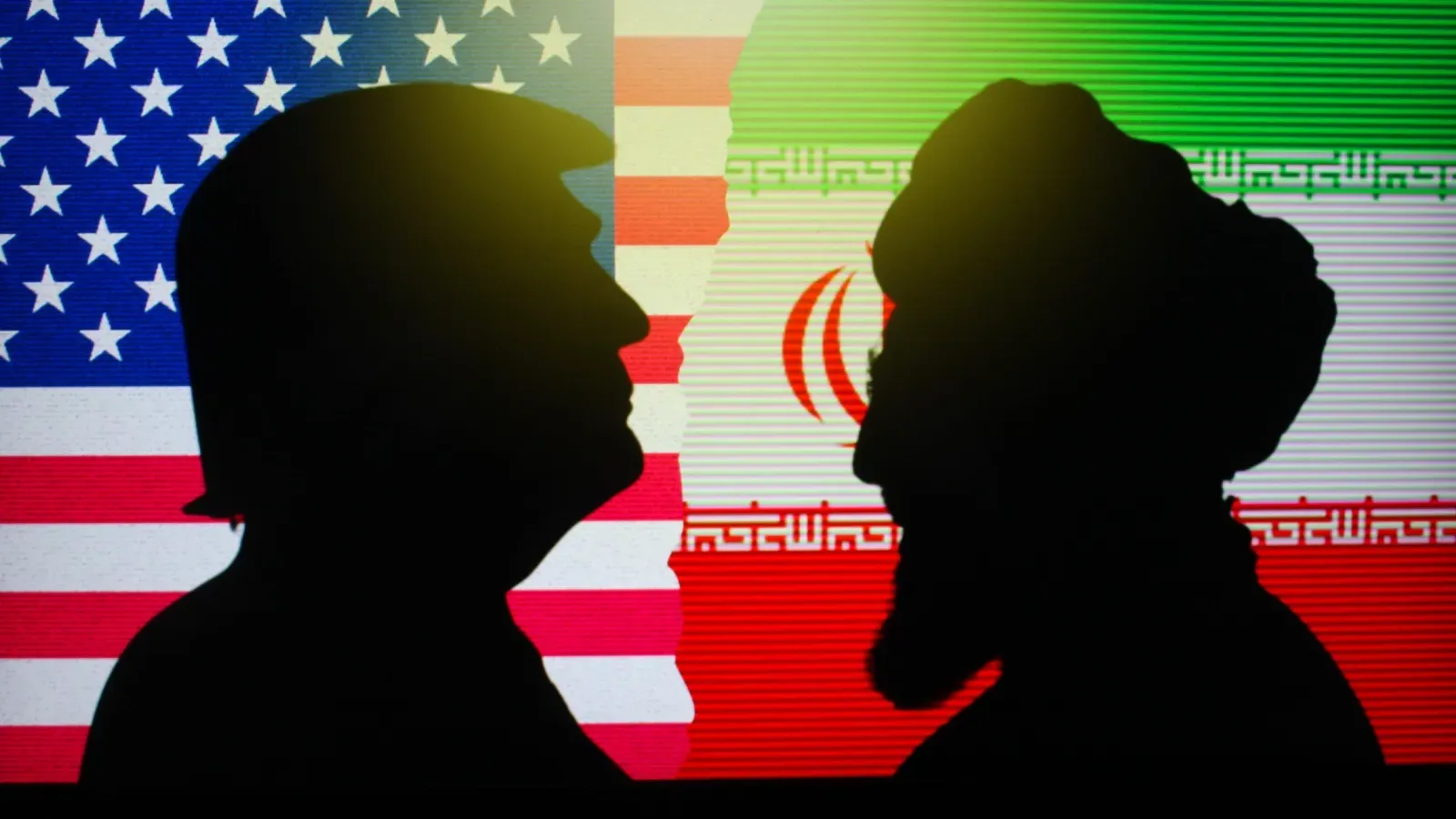
The emerging framework would reopen the strategically vital Strait of Hormuz, ease some US sanctions on Iran and launch new talks over Tehran’s nuclear program. Image: Shutterstock
The United States and Iran appeared closer Monday to a breakthrough agreement as President Donald Trump announced that a draft memorandum of understanding on “peace” had been “largely negotiated” with Tehran and several regional powers.
The emerging framework, still subject to final negotiations, would reopen the strategically vital Strait of Hormuz, ease some US sanctions on Iran and launch new talks over Tehran’s nuclear program, according to details reported by Axios and other US media outlets.
Hormuz reopening at the core
The diplomatic push comes after months of conflict in West Asia, primarily involving US, Israel and Iran, that triggered an energy shock and led Tehran to effectively close the Strait of Hormuz, through which roughly a fifth of the world’s oil supply normally passes.
In a lengthy post on Truth Social, Trump said he had spoken from the Oval Office with leaders from Saudi Arabia, the United Arab Emirates, Qatar, Pakistan, Turkey, Egypt, Jordan and Bahrain regarding “a Memorandum of Understanding pertaining to PEACE.”
“An Agreement has been largely negotiated, subject to finalization between the United States of America, the Islamic Republic of Iran, and the various other Countries,” Trump wrote, adding that “final aspects and details of the Deal are currently being discussed, and will be announced shortly.”
Trump also said he separately spoke with Israeli Prime Minister Benjamin Netanyahu and that the conversation “went very well.”
What the draft agreement includes
The White House has not yet released official details of the proposed arrangement, but reports, citing officials familiar with the talks, described a phased agreement centered on a 60-day renewable memorandum of understanding.
Under the draft framework, Iran would reopen the Strait of Hormuz and remove naval mines deployed in the waterway, while the US would ease its blockade on Iranian ports and provide limited sanctions waivers allowing Tehran to resume oil exports.
The draft proposal would also commit Iran to never pursue nuclear weapons and to negotiate limits on uranium enrichment and the disposition of its stockpile of highly enriched uranium.
According to US media reports, details over how Iran would surrender or dilute its enriched uranium would be negotiated during the 60-day period.
Russia has offered to take custody of part of the material.
The US would meanwhile begin negotiations on sanctions relief and the unfreezing of Iranian funds, though implementation would depend on a final verified agreement.
US military forces deployed to the region in recent months would reportedly remain in place during the interim arrangement and withdraw only if a final accord is reached.
Israel pushes for full nuclear dismantling
Netanyahu publicly welcomed the negotiations but reiterated Israel’s long-standing position that any deal must completely dismantle Iran’s nuclear capabilities.
In a statement posted on X, Netanyahu said he spoke with Trump about “the memorandum of understanding to reopen the Straits of Hormuz and the upcoming negotiations toward a final agreement on Iran’s nuclear program.”
He said he told Trump that any final agreement “must eliminate the nuclear danger.”
“That means dismantling Iran’s nuclear enrichment sites and removing its enriched nuclear material from its territory,” Netanyahu wrote.
He also said Trump reaffirmed Israel’s right to defend itself, including against threats from Lebanon.
The draft agreement reportedly includes provisions aimed at ending the war between Israel and Hezbollah in Lebanon, another major flashpoint in the region.
According to a US official cited in reports, the arrangement would not amount to a “one-sided ceasefire.”
Israel would retain the right to act if Hezbollah attempted to rearm or launch attacks.
“If Hezbollah behaves, Israel will behave,” Axios quoted the official as saying.
Trump, who has repeatedly criticised the 2015 nuclear accord negotiated under former President Barack Obama, sought to contrast the current talks with that deal.
“One of the worst deals ever made by our Country was the Iran Nuclear Deal,” Trump wrote on Truth Social. “It was a direct path to Iran developing a Nuclear Weapon.”
“Our deal is the exact opposite,” he added, saying negotiations were proceeding in an “orderly and constructive manner.”
Trump also stressed that US pressure on Iran would remain in place until a final agreement is signed and verified.
“The Blockade will remain in full force and effect until an agreement is reached, certified, and signed,” he wrote.
The president later posted again that if an agreement is reached, “it will be a good and proper one, not like the one made by Obama.”
Previous rounds of diplomacy between the US and Iran have repeatedly neared agreement only to collapse over disputes involving sanctions relief, uranium enrichment and regional security guarantees.
Trump suggested the negotiations could also lead to broader regional normalisation efforts, including possible expansion of the Abraham Accords.
“Perhaps the Islamic Republic of Iran would like to join, as well!” he wrote.
About The Author
Next Story

