
Business News
Why Donald Trump paused a wider Iran offensive
.png)
3 min read | Updated on July 27, 2026, 13:16 IST


SUMMARY
According to the Wall Street Journal, the US military had prepared a two-week strike campaign against Iran but postponed it to allow negotiations to continue and assess the impact of sustained operations on missile defence stockpiles.
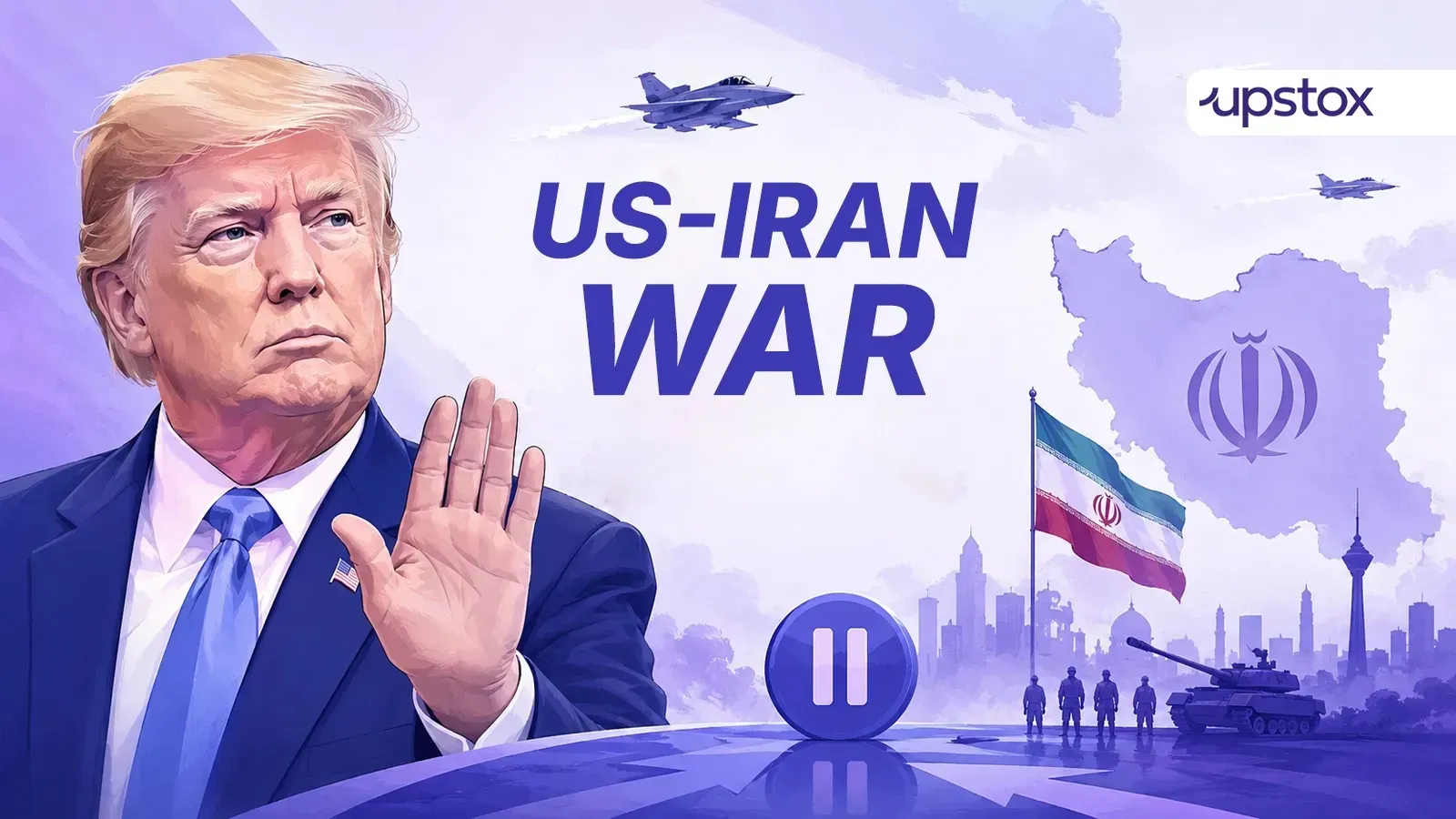
US President Donald Trump dismissed concerns over dwindling munitions. Image: Shutterstock
The United States has held back from launching a wider military offensive against Iran as diplomatic efforts gathered pace to revive talks and officials weighed concerns over the depletion of key US missile defence stockpiles, according to US media reports.
The Wall Street Journal, citing officials familiar with the matter, said the US military had been prepared to launch an intensive series of strikes against Iran on Friday that could have lasted up to two weeks.
The operation was delayed to give negotiations a chance and because officials debated whether a sustained campaign would further strain inventories of critical missile defence systems, the report said, adding that Trump could still authorise military action as the situation remained fluid.
According to the report, Chairman of the Joint Chiefs of Staff Gen Dan Caine had briefed the White House about declining stocks of air defence interceptors.
While the shortages would not prevent a resumption of large-scale operations against Iran, they would increase operational risks, the officials were quoted as saying.
Trump rejected suggestions that the US was running short of munitions.
"We have far more munitions than anyone in the world, and far more than we need," he told the newspaper.
US Ambassador to the United Nations Mike Waltz also rejected suggestions that US interceptor stockpiles were running low.
Speaking to Fox News, Waltz said Trump was "giving talks some space" and that Oman, Iran and other negotiators had remained engaged at multiple levels over the past few weeks, particularly in recent days.
The report came as the United States and Iran refrained from attacking each other for a second consecutive day on Sunday, raising hopes that mediators could steer the two sides back towards negotiations after nearly two weeks of military escalation.
An updated assessment by the Center for Strategic and International Studies estimated that the US had expended at least 1,500 Patriot interceptors since the conflict began, leaving fewer than 1,000 in inventory.
The think tank warned that sustained military operations could strain supplies needed for a future conflict with a major power such as China.
The White House argued that publishing updated government figures on Patriot and THAAD missile expenditures would pose a national security risk.
Iran's army spokesperson said Tehran had also halted attacks over the past two nights.
The latest pause follows nearly two weeks of hostilities triggered by Iran's attacks on ships transiting the Strait of Hormuz. In recent days, Tehran also targeted countries hosting US military forces, with attacks killing at least three American service members in Jordan and one in Iraq.
The interim understanding reached by Washington and Tehran in mid-June had envisaged a 60-day negotiating window, but major issues, including Iran's nuclear programme, remain unresolved.
Maritime traffic through the Strait of Hormuz remained subdued.
A US Navy-linked maritime monitoring body said commercial shipping through the strait had dropped to a three-week low, although no fresh attacks had been confirmed over the past 72 hours.
According to Reuters, only 11 commodity vessels passed through the Bab el-Mandeb on Sunday, the lowest number in months, while fewer than 10 commodity vessels transited the Strait of Hormuz each day over the weekend.
About The Author
Next Story

