Business News
TRAI moves to modernise telecom consumer complaint framework amid surge in grievances

3 min read | Updated on May 07, 2026, 15:47 IST


SUMMARY
Telecom Regulatory Authority of India has proposed major reforms to telecom consumer grievance redressal rules to align with the growing use of digital platforms.
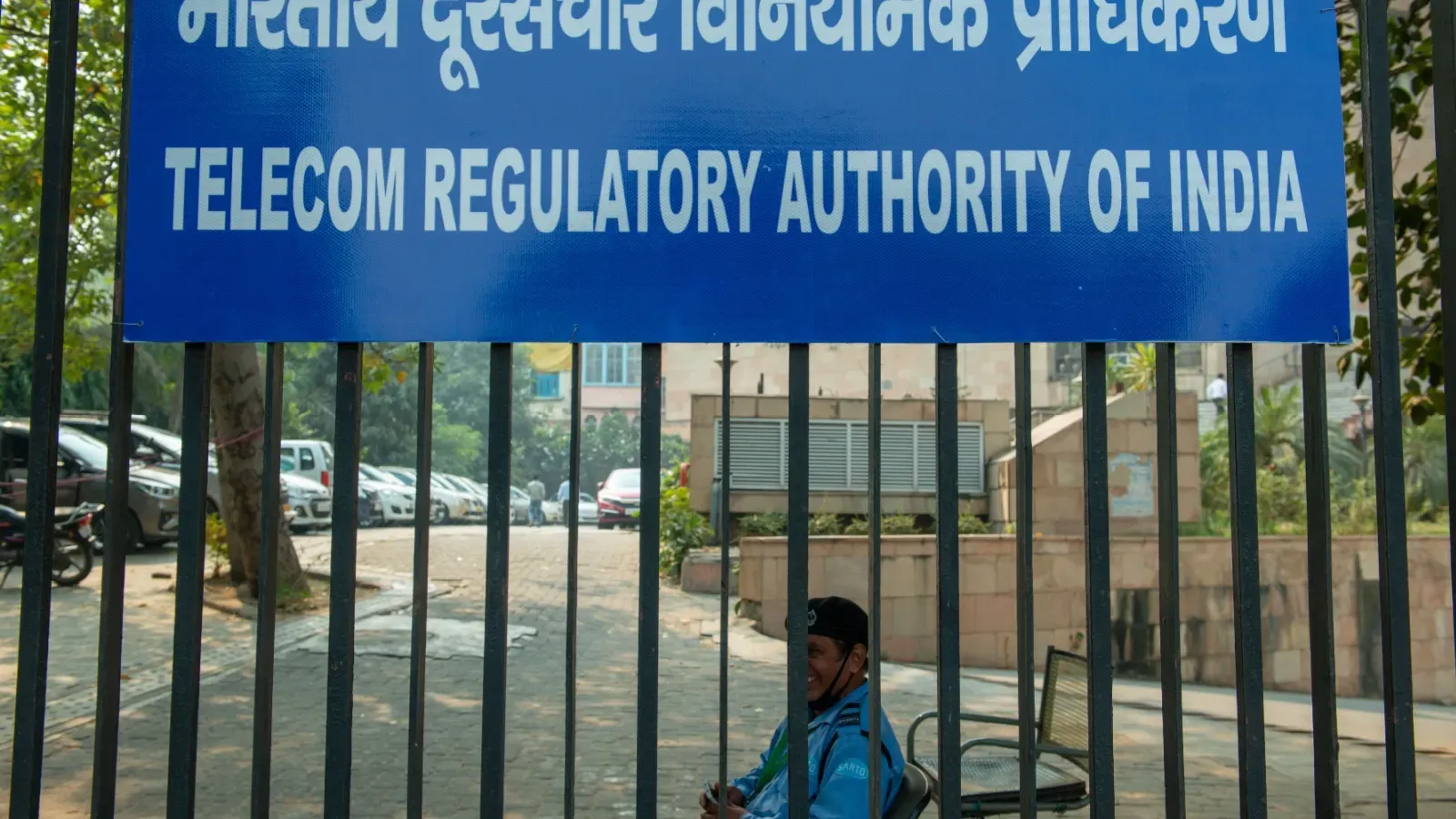
TRAI has proposed 24x7 complaint centres, faster appeal resolution timelines, mandatory consumer satisfaction surveys and quarterly public disclosures on complaint handling performance. Image: Shutterstock
India’s telecom regulator on Thursday proposed sweeping changes to consumer complaint redressal rules, including mandatory support through mobile apps and web portals.
The Telecom Regulatory Authority of India (TRAI), in a consultation paper released for stakeholder feedback, also proposed shorter timelines for appeals, quarterly disclosure of complaint handling performance, and penalties for poor grievance resolution.
TRAI said the existing framework framed in 2012 needed an overhaul as consumer engagement shifted rapidly to digital platforms.
“Modes of consumer engagement have evolved significantly since 2012,” Ministry of Communications said in a statement. “While IVRS remains relevant, consumers today increasingly use mobile applications, web-based portals, chatbots, and emails to register and track complaints.”
Under the draft rules, telecom operators will be required to allow consumers to register complaints, appeals and service requests through web portals and mobile applications in addition to the existing Interactive Voice Response System (IVRS).
The draft also allows operators to deploy AI agents and chatbots for complaint handling, provided consumers continue to have access to human customer care representatives.
According to the proposed amendments, complaint centres would have to operate round-the-clock, replacing the current requirement of accessibility between 8 am and midnight.
Consumers must also be provided regular updates on complaint status, expected timelines and resolution through app interfaces, SMS and email.
TRAI has proposed reducing the time available for consumers to file appeals against unresolved complaints to 15 days from the current 30 days.
The appellate authority would then be required to resolve appeals within 15 days of receipt.
The regulator has also proposed scrapping the advisory committee mechanism involved in the appeal process, saying it had led to procedural delays and inefficiencies.
The regulator proposed that telecom operators publish quarterly performance reports on complaints and appeals, including data on pending complaints, average resolution time and consumer satisfaction survey results.
The reports will have to be published separately for complaints and appeals for each licensed service area.
The draft regulations further propose that telecom companies conduct online consumer satisfaction surveys after resolution of complaints and appeals, with feedback ratings ranging from “totally dissatisfied” to “fully satisfied”.
The regulator has proposed financial disincentives for improper dismissal or unsatisfactory disposal of complaints and appeals. Telecom operators could face penalties of ₹1,000 per improperly handled complaint and ₹5,000 per appeal, subject to a quarterly cap of ₹50 lakh per licensed service area.
TRAI said complaints received from telecom consumers have risen sharply in recent years, with 44,733 complaints received in 2023-24, 55,978 in 2024-25 and 73,081 complaints in 2025-26.
About The Author
Next Story