
Business News
Strait of Hormuz to reopen; US to help ease traffic buildup, Trump says
.png)
3 min read | Updated on April 08, 2026, 11:42 IST


SUMMARY
The Strait of Hormuz is set to reopen following a two-week ceasefire agreement between the United States and Iran.
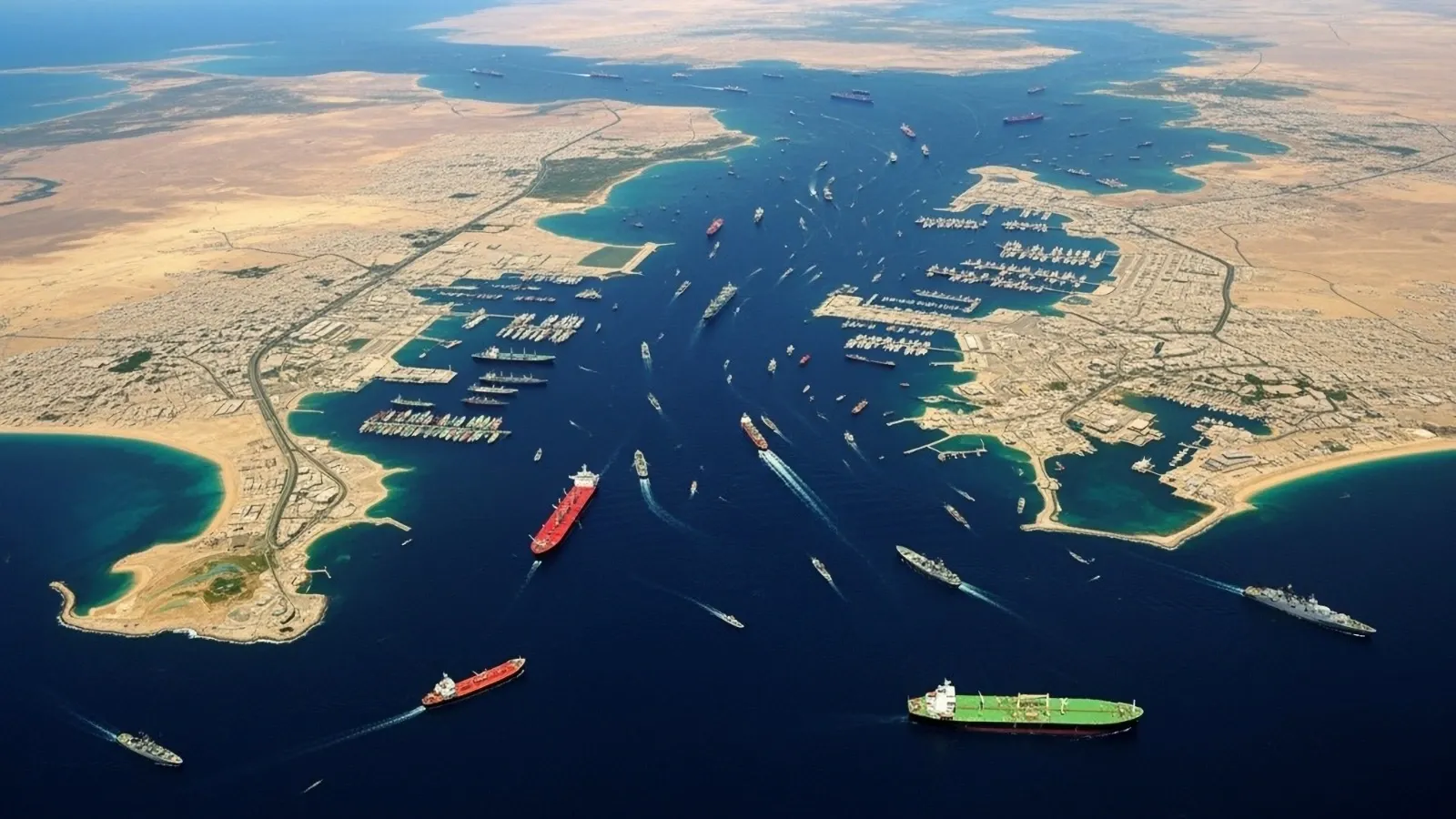
About one-fifth of the world’s oil and LNG supplies pass through Strait of Hormuz. Image: Shutterstock
The Strait of Hormuz, one of the world's most critical oil and gas chokepoints, is set to reopen after the United States and Iran agreed to a two-week ceasefire, a breakthrough that prompted US President Donald Trump to declare a “big day for world peace.”
In a post on Truth Social on Wednesday, Trump said the US would help manage maritime traffic through the narrow waterway, signaling efforts to stabilise one of the world’s most critical transit routes after weeks of disruptions.
“The United States of America will be helping with the traffic buildup in the Strait of Hormuz,” Trump wrote. “There will be lots of positive action! Big money will be made. Iran can start the reconstruction process.”
He said that Washington would provide supplies and maintain a presence to ensure the arrangement holds. “I feel confident that it will. … this could be the Golden Age of the Middle East.”
The ceasefire follows Trump’s decision late Tuesday to pull back from threatened military strikes on Iran, contingent on Tehran agreeing to the “complete, immediate, and safe opening” of the strait.
Trump said the pause came after conversations with Pakistan Prime Minister Shehbaz Sharif and Army Chief Field Marshal Asim Munir, who urged him to “hold off the destructive force” planned against Iran.
He also said Washington had received a 10-point proposal from Tehran that he described as a “workable basis” for negotiations, adding that “almost all” key disputes had been addressed.
Iran indicated it would comply with the ceasefire under certain conditions.
Foreign Minister Abbas Araghchi said Tehran would halt its military operations if attacks against the country stopped.
“If attacks against Iran are halted, our Powerful Armed Forces will cease their defensive operations,” he wrote on X.
Araghchi said safe passage through the Strait of Hormuz would be possible for two weeks under coordination with its armed forces “and with due consideration of technical limitations”.
In a separate statement, Iran’s Supreme National Security Council struck a more combative tone, portraying the agreement as a victory and claiming the country had achieved “nearly all” of its wartime objectives.
Details of the proposal suggest Tehran is seeking US guarantees of non-aggression, recognition of its authority over the Strait of Hormuz and acceptance of its uranium enrichment program.
White House Press Secretary Karoline Leavitt called the ceasefire “a victory for the United States,” saying military pressure had created leverage for diplomacy.
“We have achieved and exceeded our core military objectives in 38 days,” she said, adding that the agreement opened the door to a diplomatic solution and long-term peace.
Related News
About The Author
Next Story

