
Business News
Strait of Hormuz blockade: What it means for oil and trade, and can US sustain it?
.png)
4 min read | Updated on April 15, 2026, 09:27 IST


SUMMARY
The United States said it has effectively halted Iran’s seaborne trade through a large-scale naval blockade, intensifying tensions after failed talks with Tehran.
United States Central Command commander Brad Cooper said the blockade has stopped maritime trade to and from Iran within 36 hours.
The United States said Monday it has effectively shut down Iran’s seaborne trade after enforcing a sweeping naval blockade, escalating tensions in West Asia following the collapse of high-level talks between Washington and Tehran.
US Central Command (CENTCOM) commander Adm. Brad Cooper said American forces had established “maritime superiority” and halted economic traffic to and from Iran within hours of launching the operation.
“A blockade of Iranian ports has been fully implemented,” Cooper said in a statement. “In less than 36 hours since the blockade was implemented, US forces have completely halted economic trade going into and out of Iran by sea.”
CENTCOM said more than 10,000 US personnel, backed by over a dozen warships and dozens of aircraft, are involved in the operation.
At least six merchant vessels turned back after warnings from US forces, and no ships passed through the blockade in the first 24 hours, it said.
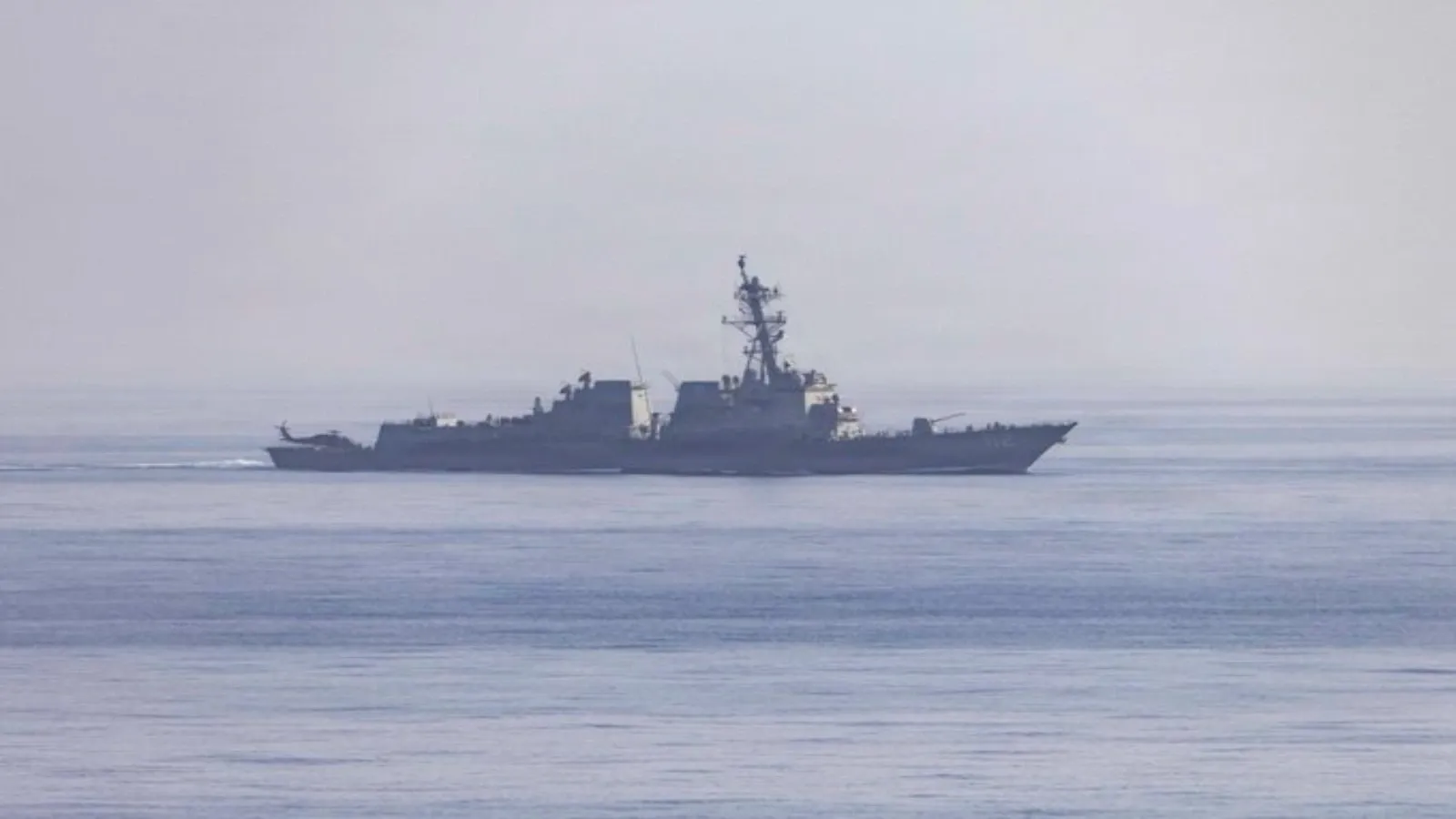
The amphibious assault ship USS Tripoli, carrying about 3,500 sailors and Marines, is among the assets enforcing the blockade, along with guided-missile destroyers.
CENTCOM noted that a typical destroyer carries more than 300 sailors trained in offensive and defensive maritime operations.
The blockade began April 13 after 21 hours of face-to-face negotiations between US and Iranian officials in Islamabad broke down, the first such engagement since Iran’s 1979 Islamic Revolution.
US Vice President JD Vance said Washington had presented its “final and best offer,” but Iran did not accept the terms, particularly on providing guarantees that it would not pursue nuclear weapons capability.
“The simple fact is that we need to see an affirmative commitment that they will not seek a nuclear weapon,” he said.
The collapse of talks has cast doubt on a fragile, two-week ceasefire and heightened concerns over the strategic Strait of Hormuz, a vital artery for global energy supplies.
Challenges in enforcing the blockade
Naval blockades are intended to choke off an adversary’s imports and exports, especially oil in Iran’s case, to exert economic pressure.
But a blockade alone cannot fully sever Iran’s economic links with partners such as China and Russia, nor restrict access through overland routes or the Caspian Sea. It also risks provoking retaliation from Tehran that could reignite the conflict in West Asia.
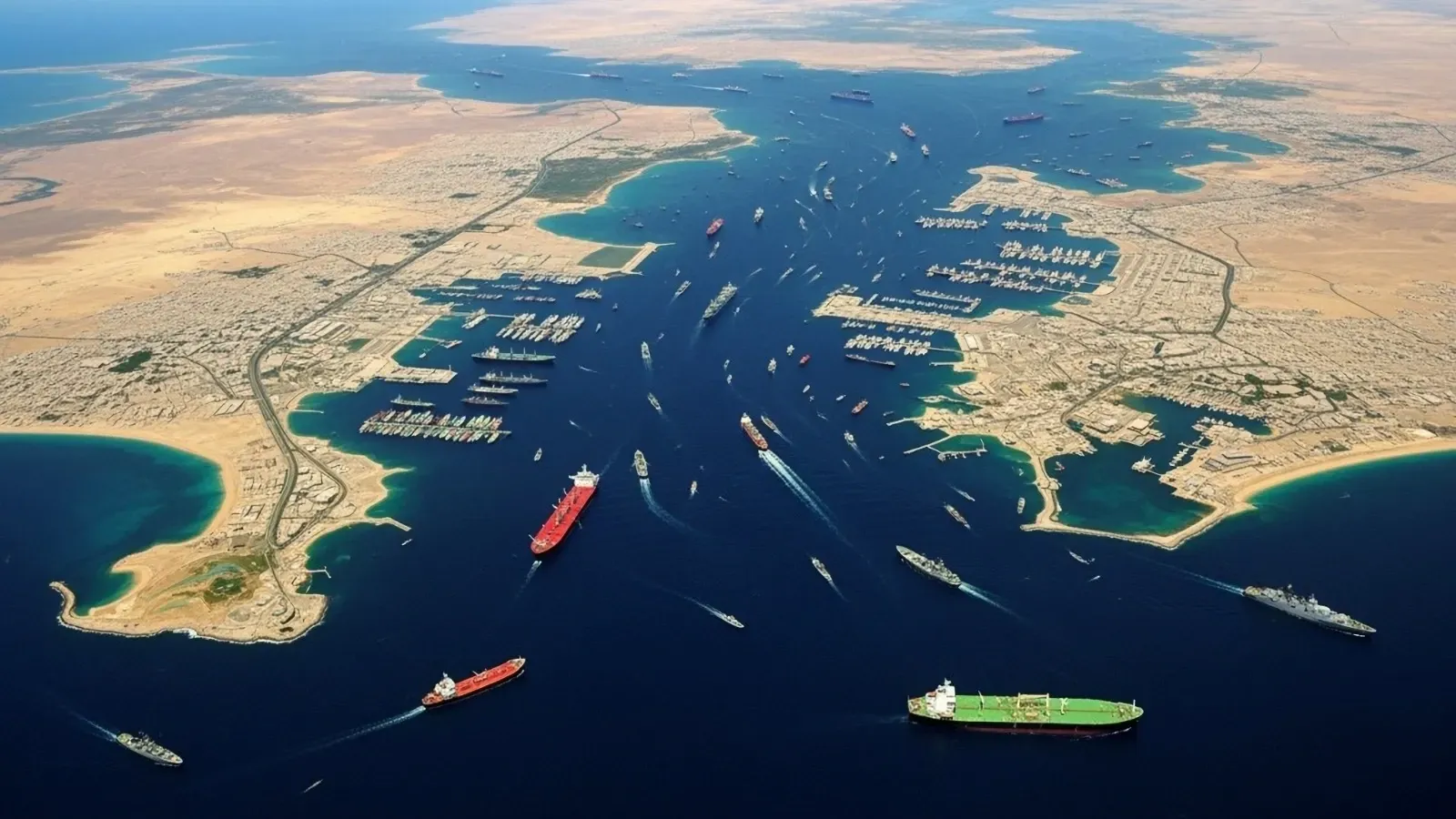
The Strait of Hormuz typically carries nearly 20% of the world’s traded oil, requiring significant naval resources to monitor and interdict shipping.
“A lot depends on the early days of the blockade, how many vessels the Americans can seize, how much they can convince vessels attempting to slip through a cordon that they're likely to be seized,” The Associated Press quoted Kaushal as saying. “But in all likelihood, I'd say it will prove difficult for the US to enforce.”
Basil Germond, a professor of international security at Lancaster University, argued that sustaining the operation could prove costly and more complex for the US than it was for Iran to close the Strait.
“The question will be whether Washington can maintain interdiction long enough to effectively undermine the regime,” Germond wrote in an analysis for The Conversation, noting Iran may have spent decades preparing for such a scenario.
Global impact on oil, food and fertilisers
The disruption is already rippling through global energy markets. Oil prices have surged above $100 a barrel from around $70 before the conflict.
If the Strait of Hormuz remains effectively closed, analysts warn prices could climb further, affecting consumers worldwide. The impact is expected to be especially severe in Asia, where many countries rely heavily on Middle Eastern oil imports.
The blockade could also disrupt shipments of food and fertilisers. Around 30% of the world’s fertiliser trade passes through the strait, raising concerns about agricultural output and food security.
Patrick Penfield, a supply chain expert at Syracuse University, said Gulf countries such as the United Arab Emirates, Qatar and Bahrain could face sharp increases in food prices as supplies may need to be flown in, reported The Associated Press.
Related News
About The Author
Next Story

